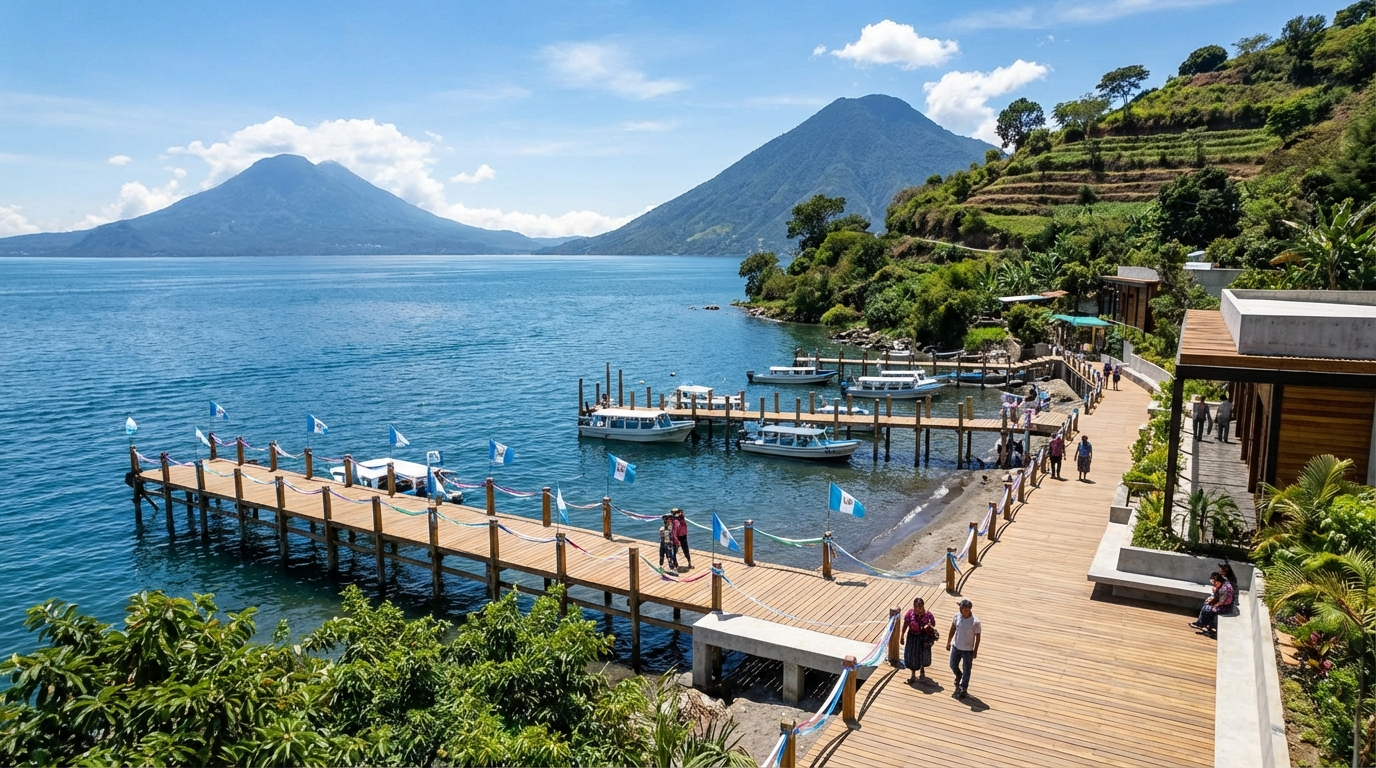

Guatemala Coffee Regions: A Complete Guide to the Best Beans in Central America
Guatemala produces some of the most celebrated coffee in the world, and for good reason. The country's extraordinary geographic diversity—spanning volcanic highlands, tropical lowlands, and cloud forests—creates a patchwork of microclimates that give rise to coffees with remarkably distinct flavor profiles. For coffee enthusiasts, exploring Guatemala's growing regions is the equivalent of a wine lover touring Bordeaux or Tuscany.
Why Guatemalan Coffee Is Special
Several factors combine to make Guatemalan coffee exceptional. First, the country sits within the "bean belt" at latitudes ideal for arabica cultivation. Second, volcanic soil rich in minerals and organic matter provides the perfect growing medium. Third, altitude—much of Guatemala's coffee grows between 1,200 and 1,800 meters above sea level, where cooler temperatures slow cherry maturation and allow complex sugars and acids to develop fully.
Guatemala is the largest coffee producer in Central America and typically ranks among the top ten globally. The country produces exclusively arabica coffee, with bourbon, caturra, catuaí, and typica being the dominant varieties. In recent years, Guatemalan farmers have also experimented with specialty varieties like gesha, pacamara, and SL-28, producing competition-winning lots that fetch premium prices at auction.
The Asociación Nacional del Café (Anacafé) recognizes eight distinct coffee-growing regions, each with unique characteristics shaped by altitude, rainfall, temperature, soil composition, and proximity to the ocean or volcanoes. Understanding these regions is key to understanding Guatemalan coffee.
The Eight Coffee Regions of Guatemala
1. Antigua
Perhaps the most famous of Guatemala's coffee regions, Antigua is nestled in a valley surrounded by three volcanoes: Agua, Fuego, and Acatenango. The volcanic soil here is incredibly rich in minerals, and the valley's unique microclimate—warm days, cool nights, and low humidity—creates ideal growing conditions.
2. Huehuetenango
Located in Guatemala's northwestern highlands near the Mexican border, Huehuetenango (pronounced "way-way-teh-NAHN-go") produces some of the country's most complex and prized coffees. This is Guatemala's highest-altitude growing region, with some farms operating above 2,000 meters. The region's remote, mountainous terrain has historically made access difficult, which has helped preserve traditional farming methods and heirloom varieties.
3. Atitlán
Surrounding the breathtaking Lake Atitlán—often called the most beautiful lake in the world—this region benefits from the lake's moderating effect on temperature and the rich volcanic soils deposited by the three volcanoes that frame its shores. The majority of coffee here is grown by indigenous Maya communities who have cultivated these slopes for generations.
4. Cobán (Rainforest Cobán)
Unlike the other highland regions, Cobán receives significantly more rainfall and experiences a persistent misty climate that keeps temperatures cool and humidity high year-round. Located in Alta Verapaz, this region is characterized by cloud forests and karst limestone topography. The unique climate results in a longer maturation period for coffee cherries, which contributes to the development of complex flavors.
5. Fraijanes Plateau
Located south of Guatemala City near the active Pacaya volcano, the Fraijanes Plateau benefits from volcanic pumice soil and a climate influenced by both Pacific and Caribbean weather systems. This region has gained recognition in recent years for producing high-quality specialty coffees that punch above their weight in competitions.
6. Highland Huehue (San Marcos)
The San Marcos region, sometimes grouped with the broader western highlands, receives the highest rainfall of any Guatemalan coffee zone. The warm, humid climate triggers early flowering and a correspondingly early harvest. Farms here use shade-growing techniques extensively, with native trees providing canopy cover that protects the coffee plants and supports biodiversity.
7. Nuevo Oriente
In Guatemala's eastern highlands near the Honduran border, Nuevo Oriente is a region that has historically been overlooked but is gaining recognition for the quality of its coffees. The volcanic soil here is older and more weathered than in the western regions, creating different mineral compositions that influence the cup profile. The region receives balanced rainfall and enjoys a microclimate that favors slow, even cherry development.
8. Acatenango Valley
Nestled between the Acatenango and Fuego volcanoes, this relatively small region produces coffees that share some characteristics with neighboring Antigua but develop their own identity thanks to higher average altitudes and different microclimate patterns. The soil is exceptionally mineral-rich, refreshed regularly by volcanic ash from Fuego's frequent eruptions.
How to Experience Guatemalan Coffee
Coffee Farm Tours
The best way to understand Guatemalan coffee is to visit a working finca (farm). Several farms across the country welcome visitors for tours that cover the entire coffee production process—from seedling nurseries through harvesting, wet and dry processing, and roasting. Antigua is the most accessible region for farm tours, with several operations offering half-day and full-day experiences within easy reach of the colonial city center.
In Huehuetenango and Atitlán, farm visits require more planning and often involve remote mountain roads, but the authenticity of the experience and the quality of the coffee make it worthwhile. Some farms offer overnight stays that include early-morning harvesting participation—an unforgettable experience during peak harvest season.
Specialty Coffee Shops
Guatemala's specialty coffee scene has exploded in recent years. Antigua and Guatemala City both boast world-class coffee shops that source directly from local farms and roast with precision. In Antigua, look for shops that offer single-origin tastings where you can compare coffees from different regions side by side—the flavor differences are striking and educational.
In Guatemala City, the Zona 4 neighborhood has emerged as a hub for specialty coffee culture, with roasters and cafés that would fit seamlessly into Portland, Melbourne, or Copenhagen. It's a testament to how seriously Guatemalans are taking their own coffee, after decades of exporting the best beans and consuming lower-quality product domestically.
Cupping Events
For serious coffee enthusiasts, timing your visit to coincide with a cupping event or competition is highly recommended. Anacafé hosts the annual Cup of Excellence competition, and many roasters and farms hold public cuppings during harvest season. These events offer the opportunity to taste dozens of exceptional coffees and interact directly with producers—an experience that deepens your appreciation for the craft enormously.
Buying Guatemalan Coffee
When purchasing coffee in Guatemala, look for beans sold by region and, ideally, by specific farm or cooperative. Avoid generic "Guatemalan blend" products that may mix lower-quality beans from various sources. The best coffee shops and markets sell freshly roasted, single-origin beans with detailed information about the farm, altitude, variety, and processing method.
For bringing coffee home, whole beans roasted within the past two weeks will give you the best experience. Most specialty shops will grind to your specification if you don't have a grinder at home, though whole beans stay fresh significantly longer. Vacuum-sealed bags help maintain freshness during travel.
Online, several Guatemalan roasters now ship internationally, making it possible to enjoy these exceptional coffees no matter where you live. Look for roasters who maintain direct relationships with farmers and can tell you exactly where each coffee comes from.
The Future of Guatemalan Coffee
Like coffee-producing countries worldwide, Guatemala faces challenges from climate change, which is shifting traditional growing zones and increasing the prevalence of diseases like coffee leaf rust. However, Guatemalan farmers are proving remarkably adaptive, experimenting with resistant varieties, adjusting cultivation practices, and increasingly investing in quality over quantity.
The growth of Guatemala's domestic specialty market is particularly encouraging. As more Guatemalans discover and demand excellent coffee, farmers have new incentives to produce exceptional beans for local consumption alongside export markets. This virtuous cycle benefits everyone—farmers earn better prices, consumers enjoy better coffee, and Guatemala's reputation as a world-class origin continues to strengthen.
Whether you're planning a trip to Guatemala or simply exploring coffee from your kitchen, the country's eight growing regions offer a world of flavor worth discovering. Each cup tells a story of volcanic soil, mountain climates, and the dedicated farmers who have been perfecting their craft for generations.
Artículos relacionados
Hoteles Boutique en Antigua Guatemala: Guía Completa 2026
Pueblos Mágicos de Guatemala: Descubre los Destinos Más Encantadores del País
Descubre los pueblos más encantadores de Guatemala: Chichicastenango, Flores, San Juan La Laguna y más. Guía completa con costos, actividades y consejos de viaje para 2026.
Antigua Guatemala: 15 Things to Do in the Colonial Jewel of Central America
From colonial architecture to vibrant markets, discover the best things to see and do in Antigua Guatemala.