
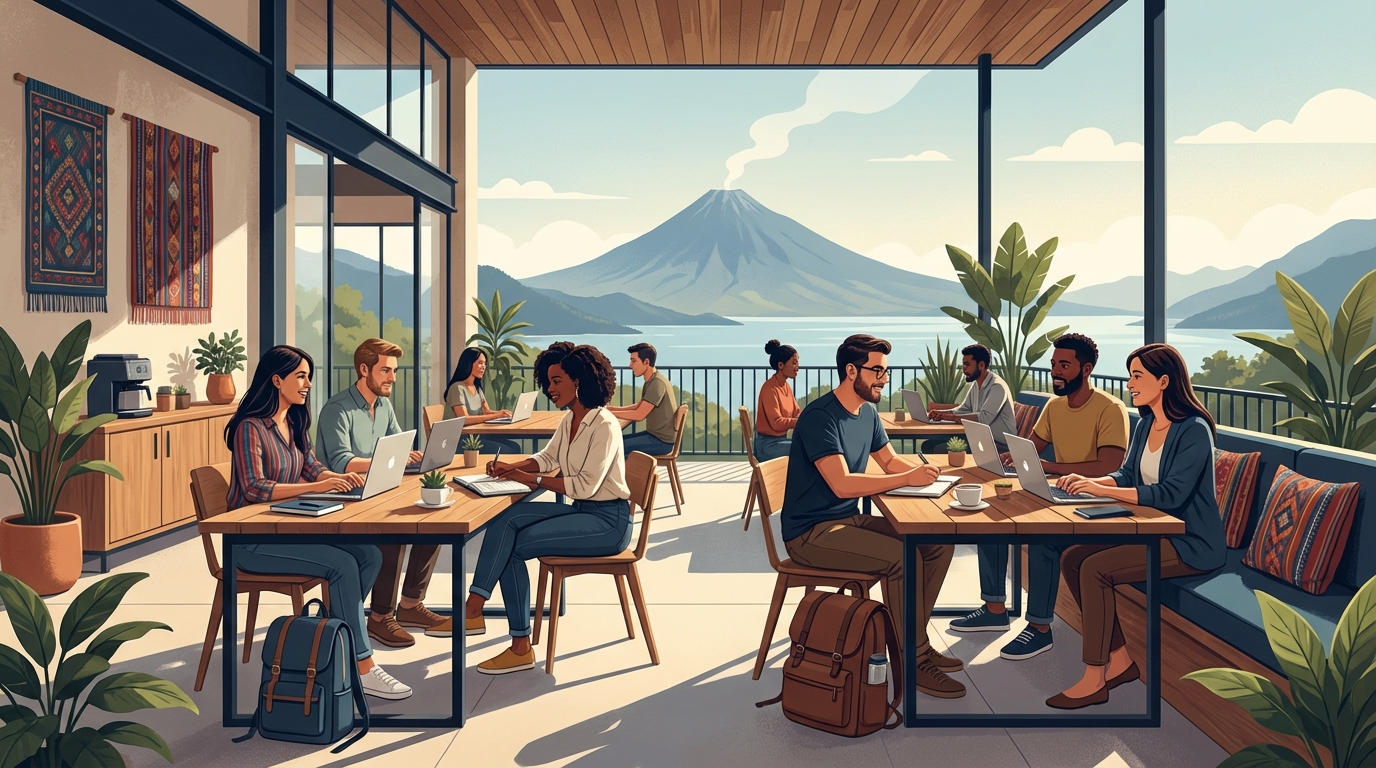
Why Guatemala Is Becoming the Top Destination for Digital Nomads in Central America
Affordable Living, Fast Internet, and Stunning Scenery Make Guatemala a Remote Work Paradise
The digital nomad movement has transformed how people think about work and travel, and Guatemala is rapidly emerging as one of Central America's most compelling destinations for location-independent professionals. With its low cost of living, improving internet infrastructure, diverse landscapes, and rich cultural experiences, Guatemala offers digital nomads a quality of life that's hard to match elsewhere in the region. Here's why more and more remote workers are choosing Guatemala as their base.
Cost of Living: Stretch Your Income Further
Guatemala's cost of living is among the lowest in Latin America, allowing digital nomads to live comfortably — even luxuriously — on a modest budget. This affordability is perhaps the single biggest draw for remote workers, particularly those earning in US dollars, euros, or British pounds.
Internet and Coworking Infrastructure
Reliable internet is non-negotiable for digital nomads, and Guatemala has made significant strides in this area. While connectivity varies by location, the country's main nomad hubs now offer internet speeds sufficient for video calls, file transfers, and most remote work requirements.
Visa and Legal Considerations
Guatemala's visa situation is relatively straightforward for most digital nomads. Citizens of the United States, Canada, the European Union, the United Kingdom, Australia, and many other countries receive a 90-day visa on arrival, which is part of the CA-4 agreement that covers Guatemala, Honduras, El Salvador, and Nicaragua.
The 90-day period can be effectively extended by making a border run to Mexico or Belize (both non-CA-4 countries) to reset the clock. Many long-term nomads settle into a rhythm of spending 90 days in Guatemala, then making a short trip across the border before returning.
For those seeking a more permanent arrangement, Guatemala offers several residency options. The pensionado (retiree) visa requires proof of monthly income of at least $1,000, while the rentista visa requires $2,500 monthly income. The application process can be bureaucratic but is manageable with the help of a local immigration attorney.
It's important to note that technically, working remotely for a foreign employer while on a tourist visa occupies a legal gray area in Guatemala (as in most countries). The government has not specifically addressed remote work in its immigration policies, and in practice, digital nomads working quietly for foreign clients are not targeted by authorities.
Best Locations for Digital Nomads
Guatemala offers several distinct locations that cater to different digital nomad preferences and work styles.
Community and Social Life
One of the challenges of nomad life is building meaningful connections, and Guatemala excels in this area. The country's established expat and nomad communities are welcoming and well-organized, making it easy to find your people quickly.
Facebook groups, WhatsApp communities, and Meetup events connect nomads across the country. Regular social events, skill-sharing sessions, and group excursions are organized in both Antigua and Lake Atitlán. The coworking spaces serve as natural social hubs, and many nomads form lasting friendships through these communities.
Beyond the international community, Guatemalans are generally warm and welcoming. Learning even basic Spanish opens doors to genuine local connections, and many nomads find that relationships with Guatemalan friends and neighbors become the most meaningful aspect of their time in the country.
Health and Wellness
Access to healthcare is an important consideration for digital nomads, and Guatemala offers decent options at affordable prices. Private hospitals in Guatemala City (Hospital Herrera Llerandi, Hospital Universitario Esperanza) provide quality care at a fraction of US prices. Antigua has several private clinics with English-speaking doctors. Basic medical consultations typically cost $20-40, and dental work is significantly cheaper than in North America or Europe.
Pharmacies are abundant and many medications that require prescriptions elsewhere are available over the counter. However, specialized medical care may require a trip to Guatemala City, and serious medical situations may warrant evacuation to Mexico or the US. Comprehensive travel/health insurance is essential for digital nomads based in Guatemala.
The wellness scene around Lake Atitlán adds another dimension to nomad health, with affordable yoga classes, meditation retreats, organic food options, and holistic health practitioners readily available.
Safety Considerations
Safety is the most frequently raised concern about living in Guatemala, and it's important to address it honestly. Guatemala does have higher crime rates than many countries, particularly in Guatemala City and certain urban areas. However, the main digital nomad destinations — Antigua, Lake Atitlán, and Quetzaltenango — have much lower crime rates and are generally safe for foreign residents who exercise common sense.
Standard safety practices include: avoiding walking alone late at night in unfamiliar areas, not displaying expensive electronics or jewelry, using authorized transportation services, keeping digital copies of important documents, and staying aware of your surroundings. Most nomads who follow these guidelines report feeling safe and comfortable throughout their stay.
The perception of danger in Guatemala is often worse than the reality, particularly in the main tourist and nomad hubs. Thousands of foreigners live safely in Guatemala year-round, and the country's warmth and beauty far outweigh the manageable security considerations.
Getting Started: First Steps for Guatemala-Bound Nomads
If you're considering Guatemala as your next nomad base, here's a practical starting plan:
Your Guatemala Chapter Awaits
Guatemala offers digital nomads something increasingly rare: an authentic, affordable, and beautiful destination that hasn't yet been overwhelmed by the nomad mainstream. While Bali, Lisbon, and Mexico City grab headlines, Guatemala quietly delivers an exceptional quality of life for location-independent workers who value cultural richness, natural beauty, and genuine human connections over Instagram-ready coworking spaces and nomad networking events. If you're ready for an adventure that goes deeper than the typical nomad circuit, Guatemala is waiting.
Artículos relacionados
Trámites del IGSS Guatemala 2026: Guía Completa de Pensiones, Prestaciones y Afiliación
Guía actualizada 2026 de trámites IGSS Guatemala: pensión por vejez, subsidios por maternidad e incapacidad, afiliación. Requisitos y pasos.
IGSS vs Seguro Médico Privado Guatemala 2026: ¿Cuál Conviene Más?
Comparativa completa IGSS vs seguro médico privado en Guatemala 2026. Costos, coberturas, ventajas y desventajas. ¿Cuál es mejor para tu familia?
Turismo Guatemala Novedades: Lo Más Reciente para Tu Próxima Aventura
Guatemala, el Corazón del Mundo Maya, se reinventa constantemente para ofrecer a sus visitantes experiencias únicas. Exploramos las últimas novedades en turismo que transformarán tu próxima aventura.
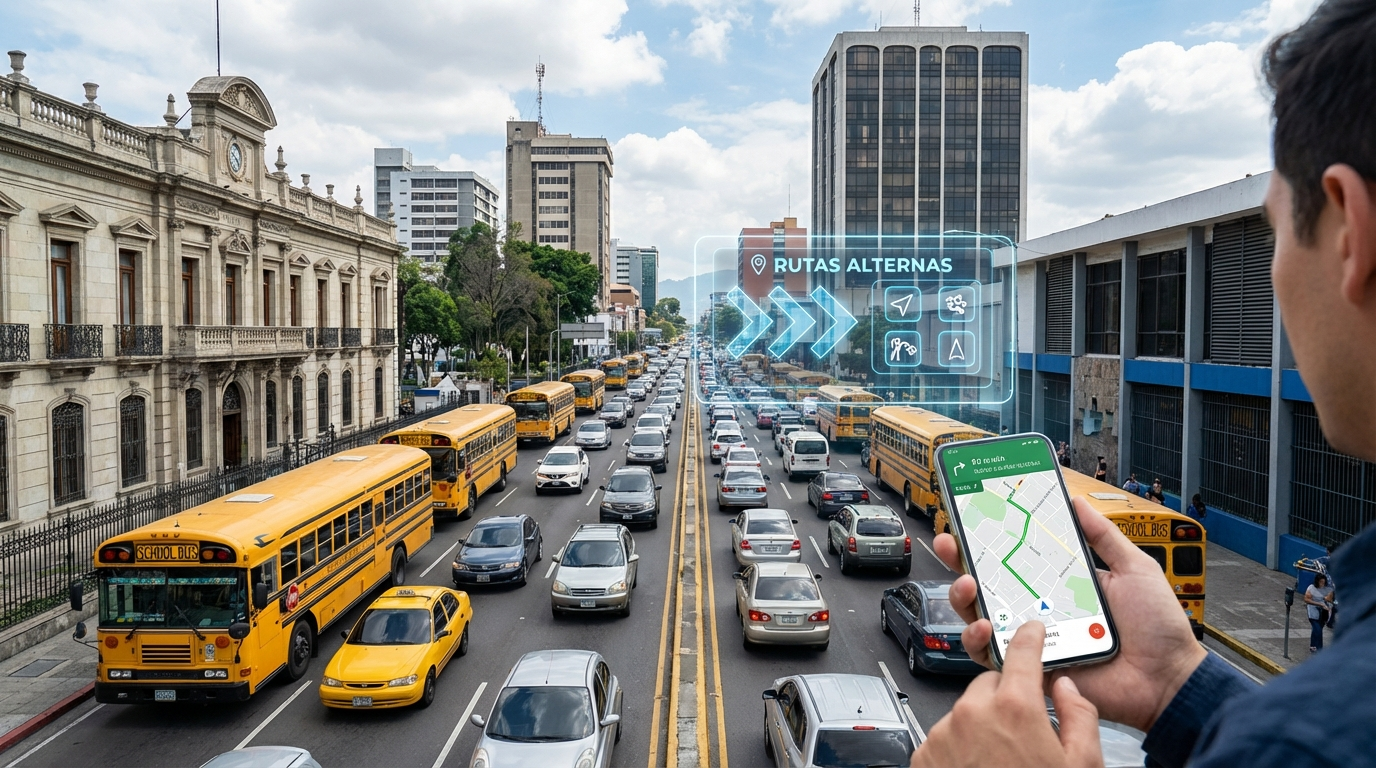
Tráfico Guatemala Hoy: Rutas Alternas y Guía para Navegar la Ciudad
Navegar el tráfico en Guatemala puede ser un desafío diario. Esta guía te ofrece las mejores rutas alternas, herramientas y consejos para optimizar tu tiempo y evitar la congestión.