Plan Your Perfect Guatemala Trip With This Detailed Seasonal Breakdown
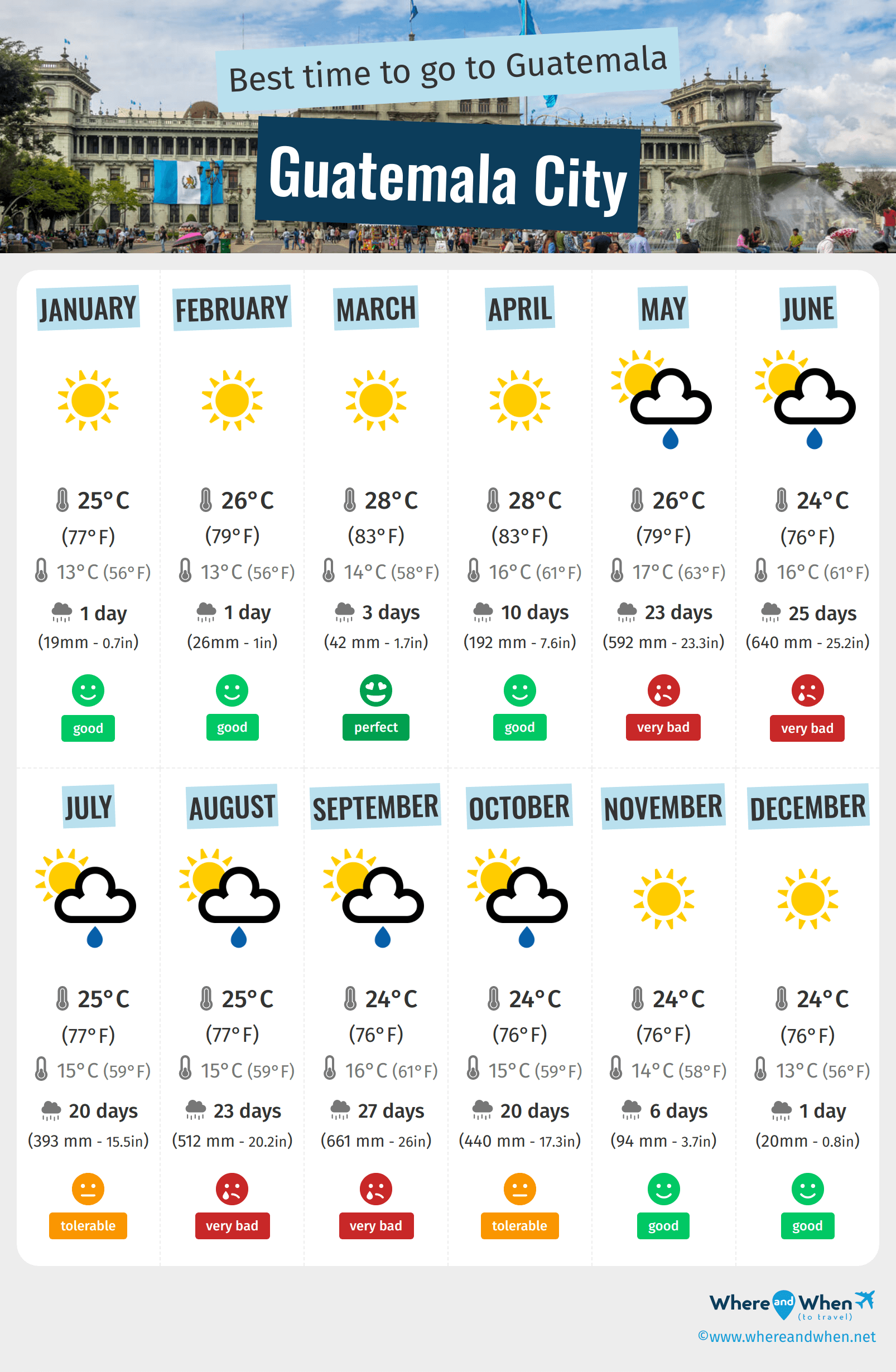
Choosing the right time to visit Guatemala can make the difference between a good trip and an extraordinary one. This Central American gem offers diverse experiences year-round, but understanding the country's seasonal patterns will help you optimize your itinerary for weather, festivals, wildlife, and crowd levels. From the sunny highlands to the humid lowlands, here's your complete month-by-month guide to visiting Guatemala.
Understanding Guatemala's Climate Zones
Before diving into monthly details, it's important to understand that Guatemala's compact geography contains remarkable climatic diversity. The country has three primary climate zones that behave differently throughout the year.
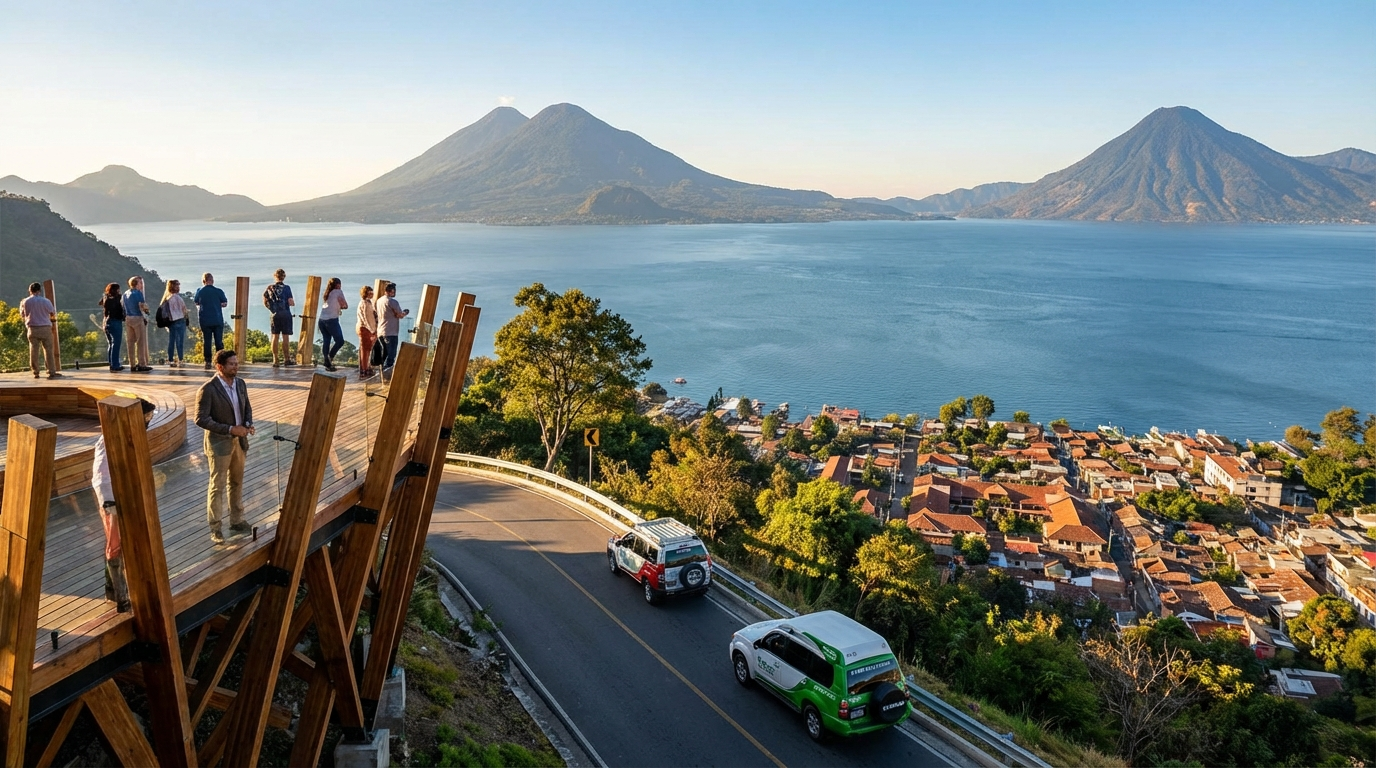
The Highlands (1,500-3,000m): Home to popular destinations like Lake Atitlán, Antigua, Chichicastenango, and Quetzaltenango. The highlands enjoy spring-like temperatures year-round, with daytime highs of 20-25°C and nighttime lows of 10-15°C. This zone experiences the most pronounced dry and rainy seasons.
The Pacific Lowlands and Caribbean Coast (0-500m): Hot and humid year-round with temperatures of 30-35°C. The Caribbean coast (Río Dulce, Livingston) receives rain throughout the year, while the Pacific coast has a more defined dry season.
The Petén Lowlands (100-300m): Home to Tikal and other Maya archaeological sites. Hot and humid with temperatures of 25-35°C. The dry season is especially pronounced here, making accessibility and comfort vary significantly by month.
January: Peak Season Paradise
January is one of Guatemala's best months for travel. The dry season is in full swing across the highlands and Petén, bringing clear skies and comfortable temperatures. This is peak tourist season, so expect higher prices and busier attractions, but the trade-off is near-perfect weather conditions.
Highlights: Ideal for Tikal visits (dry trails, clear views from temple tops), highland hiking (crisp mornings, sunny afternoons), and coffee harvest season in full swing. New Year celebrations in Antigua feature spectacular fireworks over colonial ruins.
Considerations: Book accommodation and tours well in advance. Prices are at their highest, particularly in Antigua and Lake Atitlán. Morning temperatures in the highlands can dip below 10°C, so pack layers.
February: Carnival and Clear Skies
February continues the excellent dry season weather and adds Guatemala's Carnival celebrations. The month is slightly less crowded than January (after the holiday rush) while maintaining the same great conditions.
Highlights: Carnival celebrations in Mazatenango feature weeks of parades, concerts, and cultural events. Highland wildflowers begin to bloom. Excellent birdwatching conditions as migratory species are still present. The famous kite festival preparations begin in Santiago Sacatepéquez.
Considerations: Still peak season pricing. The Petén can be very hot, especially later in the month. Bring sun protection for archaeological site visits.
March: The Transition Month
March marks the height of the dry season. The landscape becomes increasingly brown and dusty in lower elevations, but the weather remains excellent for outdoor activities. Semana Santa (Holy Week) preparations begin, building excitement across the country.
Highlights: If Easter falls in March, Antigua's Semana Santa is one of the world's most spectacular religious celebrations, featuring elaborate alfombras (sawdust carpets) and massive processions. Dry conditions make this excellent for volcano hiking and cave exploration.
Considerations: The driest month means some rivers and waterfalls are at low levels. Dust can be an issue on unpaved roads. If Semana Santa falls in March, Antigua accommodation must be booked months in advance.
April: Semana Santa Splendor
April typically hosts Semana Santa (when it doesn't fall in March), making it one of Guatemala's most culturally rich months. The dry season continues but hints of the approaching rains begin to appear with occasional afternoon clouds.
Highlights: Antigua's Semana Santa processions are genuinely awe-inspiring — massive floats carried by hundreds of volunteers through streets decorated with intricate carpets of colored sawdust and flowers. Lake Atitlán villages hold their own unique celebrations. The approaching rains begin to green the landscape.
Considerations: Semana Santa week sees the highest prices and biggest crowds of the year. Guatemalans travel extensively during this holiday, so domestic transportation fills up quickly. Book everything well in advance.
May: The Green Season Begins
May marks the beginning of the rainy season (invierno), though the transition is gradual. Mornings are typically sunny and clear, with rain arriving in the afternoon or evening. This is the start of the shoulder season, bringing lower prices and fewer tourists.
Highlights: The landscape transforms dramatically as rains bring lush green vegetation. Waterfalls reach their most impressive levels. This is an excellent month for budget travelers, with accommodation prices dropping 20-40%. The rain patterns usually allow for full mornings of sightseeing.
Considerations: Afternoon rain is near-daily in the highlands. Unpaved roads to remote sites may become muddy. Pack quality rain gear and waterproof bags for electronics. Some outdoor tours may have modified schedules.
June: Lush and Affordable
June is fully into the rainy season, with regular afternoon and evening rainfall. However, this is far from a reason to avoid Guatemala — the country is at its most verdant and beautiful, prices are low, and major attractions are pleasantly uncrowded.
Highlights: Incredibly green landscapes that photographers love. Bird nesting season brings colorful activity to forests and gardens. Excellent hotel deals across the country. The famous quetzal bird is most active during breeding season. Fruit season begins with mangoes, lychees, and tropical varieties at their peak.
Considerations: Rain can be heavy, occasionally causing travel disruptions. The Petén is very humid. Some adventure activities like volcano hikes may be cancelled due to weather. Caribbean coast receives the most rain.
July and August: Summer Travel Season
These months see a slight uptick in tourism as North American and European summer travelers arrive. Rain continues regularly, but many visitors find the green season's beauty more than compensates for afternoon showers.
Highlights: Guatemala's Independence Day preparations begin in August. The Rabin Ajau indigenous beauty pageant in Cobán (late July/August) is one of Guatemala's most unique cultural events. Cloud forests are at their most mystical with frequent mist and fog creating ethereal landscapes.
Considerations: August can experience a canícula (brief dry spell), though this isn't guaranteed. Mudslides occasionally affect mountain roads. The Caribbean coast experiences its driest period of the rainy season, making it a good time for Río Dulce and Livingston visits.
September and October: Deep Rainy Season
These are the wettest months, particularly September, which sees the highest rainfall across most of the country. However, dedicated travelers will find unique rewards and the lowest prices of the year.
Highlights: September 15th Independence Day celebrations feature nationwide parades, marching bands, and patriotic festivities. October brings Día de los Muertos preparations and the giant kite festival in Sumpango and Santiago Sacatepéquez (November 1st). Rock-bottom prices on accommodation.
Considerations: Heavy rainfall can cause flooding and landslides, occasionally closing roads. Check conditions before traveling to remote areas. Some outdoor attractions may be inaccessible. Travel insurance is strongly recommended. Pack waterproof everything.
November: Festival Season Returns
November is a transitional month as the rains begin to taper off. Early November features some of Guatemala's most unique cultural celebrations, making it an excellent time for cultural travelers.
Highlights: The Barriletes Gigantes (Giant Kite Festival) on November 1st in Sumpango and Santiago Sacatepéquez is spectacular — enormous colorful kites measuring up to 12 meters in diameter are flown in cemeteries to communicate with deceased loved ones. The landscape remains green but dry season conditions progressively return. Tourist numbers are still low.
Considerations: Early November can still see significant rain. The transition period means weather can be unpredictable. Prices begin to rise toward the end of the month as dry season approaches.
December marks the firm return of the dry season and the beginning of the holiday tourist rush. The month combines excellent weather with festive celebrations, making it one of the most popular times to visit.
Highlights: The Quema del Diablo (Burning of the Devil) on December 7th sees bonfires across the country symbolizing the purging of evil. Christmas celebrations include posadas (processions), nativity scenes, and special foods. New Year's Eve in Antigua is legendary. Clear skies return to the highlands.
Considerations: The last two weeks of December are peak season with corresponding prices and crowds. Book well in advance for Christmas and New Year periods. Domestic travel increases significantly as Guatemalans visit family.
To help you choose based on your priorities, here's a quick activity-based breakdown:
Volcano Hiking: November through April (dry trails, clear summit views)
Birdwatching: March through June (migration and nesting season)
Archaeological Sites: December through March (dry, comfortable conditions in Petén)
Cultural Festivals: March/April (Semana Santa), November 1st (Giant Kites), December (Christmas traditions)
Budget Travel: May through October (lowest prices, fewer crowds)
Photography: May through November (green landscapes, dramatic cloud formations)
Coffee Experiences: November through March (harvest season)
Surfing: March through October (Pacific coast swells)
Every Season Has Its Magic
The truth about visiting Guatemala is that there's no truly bad time to come. Each season offers its own rewards, and understanding what to expect helps you appreciate whatever conditions you encounter. Whether you visit during the sunny dry season or the lush green rainy season, Guatemala's natural beauty, rich culture, and warm hospitality will make your trip unforgettable. Use this guide to align your travel dates with your priorities, and get ready for the adventure of a lifetime.