
Traditional Guatemalan Markets: A Shopper's Guide to Authentic Crafts
Traditional Guatemalan Markets: A Shopper's Guide to Authentic Crafts
Guatemala's open-air markets are living museums of Mayan culture, where centuries-old traditions of weaving, pottery, and woodcarving continue to thrive. Each market has its own character, specialty, and rhythm, offering travelers an unparalleled opportunity to connect with local artisans and take home genuinely handmade treasures.
From the sprawling chaos of Chichicastenango's Thursday-Sunday market to the quiet cooperatives of Lake Atitlán villages, this guide covers the best markets for every type of shopper.
Chichicastenango: The Legendary Market
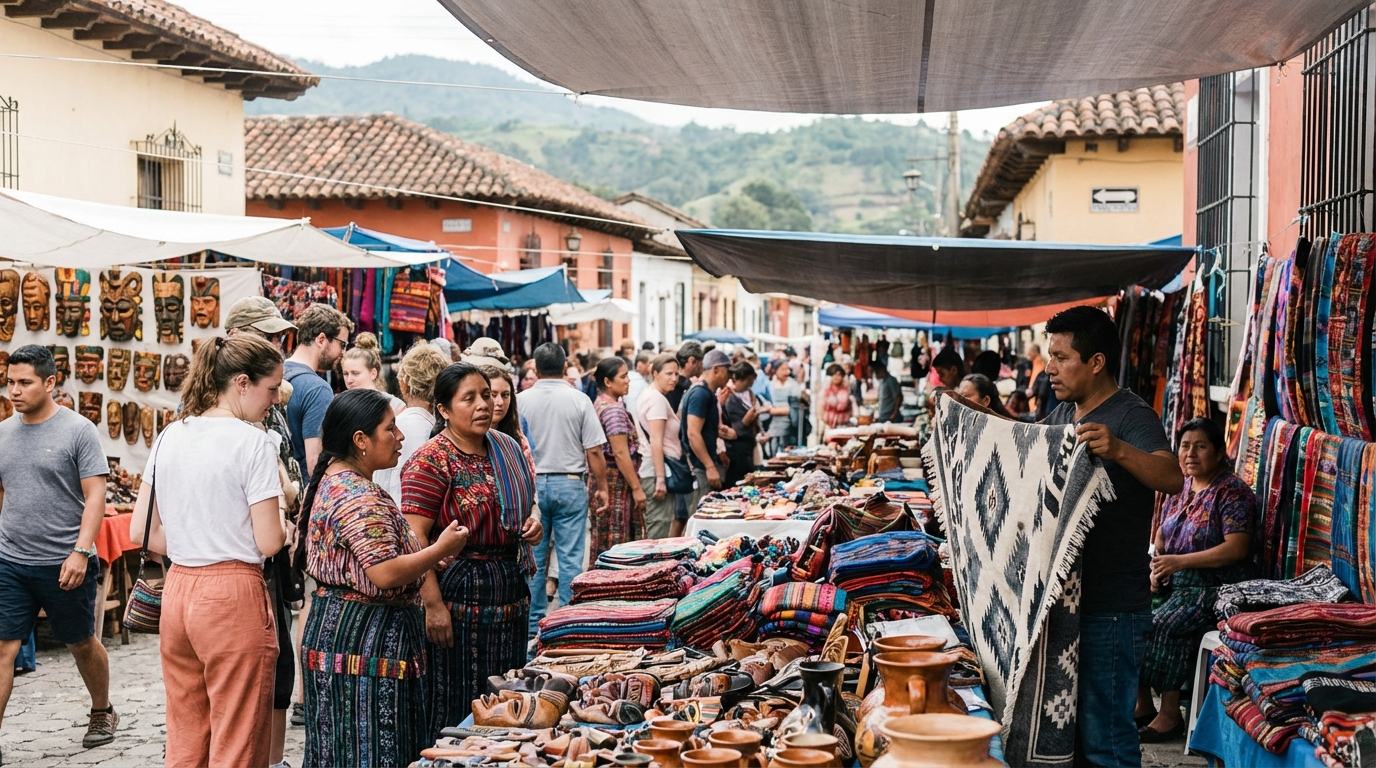
Every Thursday and Sunday, the highland town of Chichicastenango transforms into Central America's most famous indigenous market. Hundreds of vendors fill the streets around the 400-year-old Church of Santo Tomás, selling everything from handwoven textiles and carved wooden masks to fresh produce and traditional medicines.
The market draws Q'iche' Maya vendors from surrounding villages, many wearing distinctive traditional dress (traje) unique to their communities. The textiles here represent some of the finest examples of backstrap loom weaving in the Americas, with patterns that carry symbolic meaning passed down through generations.
Shopping Tips for Chichicastenango
- Arrive early (7-8 AM) for the best selection and thinnest crowds
- Bargaining is expected — start at 40-50% of the asking price and work toward a fair middle ground
- Look for handmade indicators: slight irregularities, natural dyes (muted colors), and backstrap loom edges
- Best buys: huipiles (traditional blouses), table runners, wooden masks, jade jewelry
- Avoid: Machine-made textiles from China (feel the fabric — handwoven is thicker and heavier)
- Don't miss: The flower market on the church steps, where Mayan spiritual leaders perform ceremonies
San Juan La Laguna: The Artisan Village
This small town on the shores of Lake Atitlán has reinvented itself as a center for traditional arts. Women's weaving cooperatives use natural dyes extracted from plants, insects (cochineal), and minerals to create textiles in earthy tones that are increasingly sought after by collectors and fashion designers.
Several cooperatives offer demonstrations of the entire process — from spinning raw cotton to dyeing with natural pigments to weaving on the backstrap loom. These workshops give buyers deep appreciation for the labor involved (a single huipil can take 3-6 months to complete) and ensure your purchase directly supports the artisan.
Notable Cooperatives
- Asociación de Mujeres de Color: Natural dye specialists with workshops and a small museum
- Lema Art: Contemporary art gallery featuring naif paintings of lake life
- Tinte Maya: Focus on sustainable practices and traditional techniques
Sololá Friday Market
Less touristy than Chichicastenango but equally vibrant, Sololá's Friday market is where Kaqchikel Maya communities come to trade. The market is more focused on daily necessities — fresh produce, textiles for local use, and household goods — giving visitors a more authentic glimpse of highland market culture without the tourist markup.
Look for the traditional cortes (skirts) and fajas (belts) with intricate brocade patterns unique to Sololá. The food section is excellent for sampling local snacks like tayuyos (corn dough stuffed with beans) and fresh fruit.
Antigua Guatemala: Curated Craft Shopping
While not a traditional indigenous market, Antigua offers the most convenient craft shopping for visitors with limited time. The town's numerous artisan shops curate collections from across Guatemala, making it possible to find textiles from Chichicastenango, jade from the Motagua Valley, chocolate from Alta Verapaz, and coffee from multiple regions all in one place.
Best Shops in Antigua
- Nim Po't: The largest textile collection in Guatemala, housed in a colonial building with museum-quality pieces alongside affordable souvenirs
- Mercado de Artesanías: The municipal craft market near the main bus station, good for bargain hunting
- Casa del Jade: Museum and showroom dedicated to Mesoamerican jade traditions
- Doña María Gordillo: Traditional dulces (sweets) shop operating since the 1870s
What to Buy: A Category Guide
Textiles
Guatemala's textile tradition is a UNESCO Intangible Cultural Heritage candidate. Handwoven huipiles, table runners, and bags are the most popular purchases. Prices range from Q50 for a simple belt to Q5,000+ for a museum-quality ceremonial huipil. Key things to look for: tightness of weave, complexity of pattern, and whether natural or synthetic dyes were used.
Jade
Guatemala is the source of the jade used by ancient Maya civilizations, and local artisans continue to work this stone using both traditional and modern techniques. Genuine Guatemalan jade comes in shades from light green to deep emerald, and also in rare lavender and black varieties. Buy from reputable dealers who can explain the stone's origin and quality.
Pottery and Ceramics
The town of Chinautla near Guatemala City is famous for its distinctive pottery, while Totonicapán produces painted wooden furniture and masks. In Antigua, look for Majolica-style ceramics inspired by Spanish colonial traditions but with distinctly Guatemalan designs.
Chocolate
Cacao has been cultivated in Guatemala for over 3,000 years, and the country's chocolate tradition predates European contact. Several artisan chocolate makers in Antigua and around Lake Atitlán produce bean-to-bar chocolate from Guatemalan cacao. These make excellent, lightweight souvenirs.
Coffee
Single-origin Guatemalan coffee from regions like Antigua, Huehuetenango, and Atitlán makes a perfect gift. Buy whole beans from specialty shops rather than pre-ground tourist market coffee for the freshest flavor.
Ethical Shopping Practices
Supporting indigenous artisans directly is one of the most meaningful ways tourists can contribute to Guatemala's economy. When possible, buy from artisan cooperatives rather than middlemen. Fair prices matter — while bargaining is cultural, remember that a handwoven textile represents weeks or months of skilled labor. Paying a fair price honors that work and helps sustain these traditions for future generations.
Packing and Customs
Textiles pack flat and lightweight, making them ideal souvenirs. For fragile items like pottery and jade, ask vendors for proper wrapping or bring bubble wrap. Guatemala has no restrictions on exporting crafts, though antique pieces (pre-Columbian artifacts) are strictly prohibited from leaving the country.
Guatemala's markets are more than shopping destinations — they're living expressions of one of the Americas' most vibrant indigenous cultures. Every purchase tells a story of tradition, skill, and resilience that connects the buyer to Guatemala's remarkable heritage.
Artículos relacionados
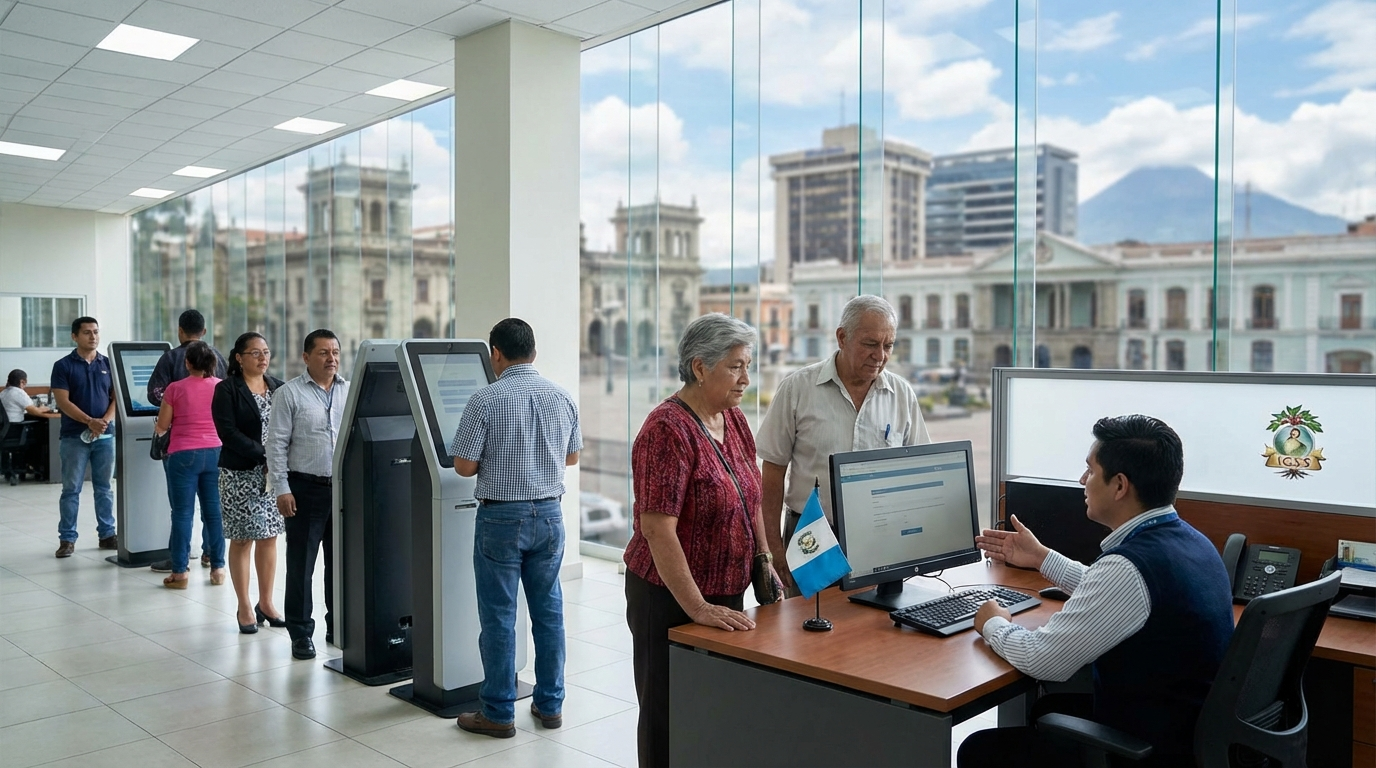
Trámites del IGSS Guatemala 2026: Guía Completa de Pensiones, Prestaciones y Afiliación
Guía actualizada 2026 de trámites IGSS Guatemala: pensión por vejez, subsidios por maternidad e incapacidad, afiliación. Requisitos y pasos.

IGSS vs Seguro Médico Privado Guatemala 2026: ¿Cuál Conviene Más?
Comparativa completa IGSS vs seguro médico privado en Guatemala 2026. Costos, coberturas, ventajas y desventajas. ¿Cuál es mejor para tu familia?
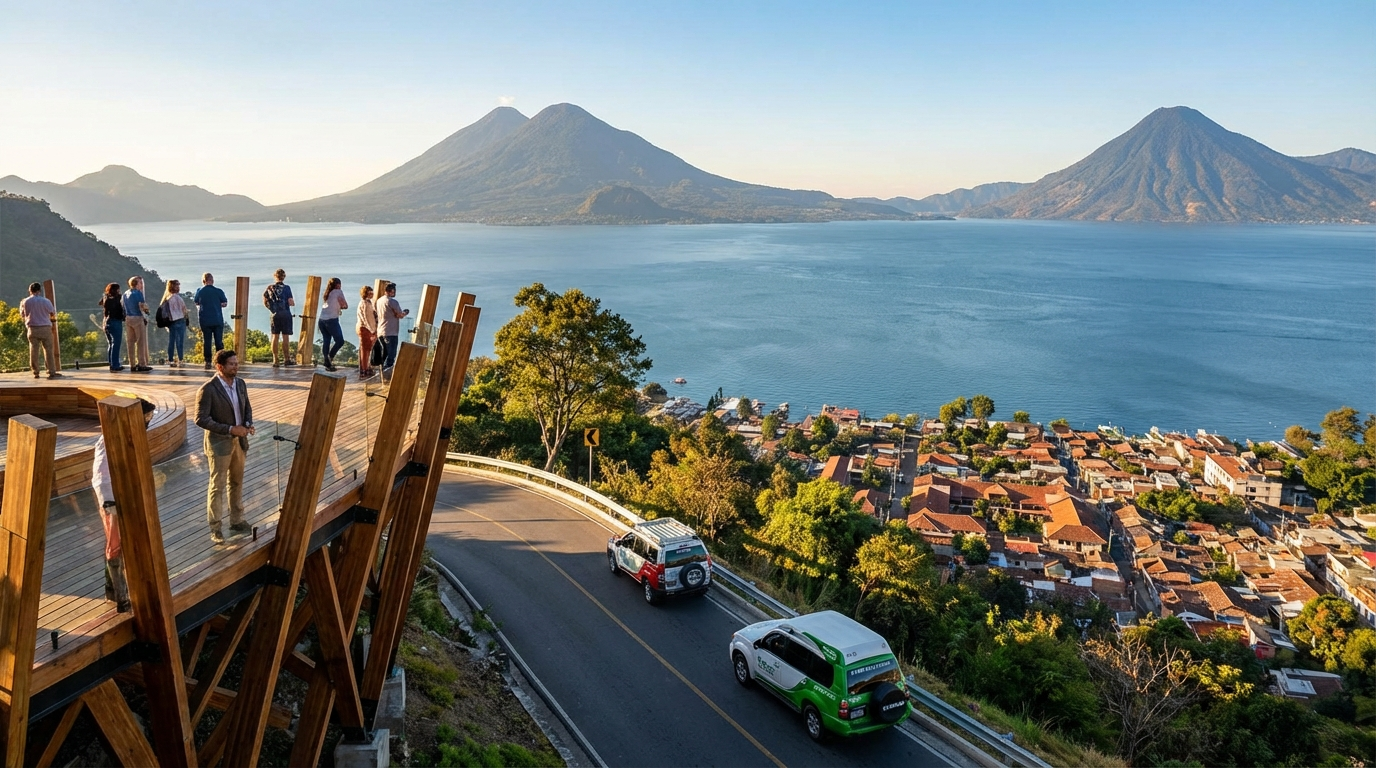
Turismo Guatemala Novedades: Lo Más Reciente para Tu Próxima Aventura
Guatemala, el Corazón del Mundo Maya, se reinventa constantemente para ofrecer a sus visitantes experiencias únicas. Exploramos las últimas novedades en turismo que transformarán tu próxima aventura.

Tráfico Guatemala Hoy: Rutas Alternas y Guía para Navegar la Ciudad
Navegar el tráfico en Guatemala puede ser un desafío diario. Esta guía te ofrece las mejores rutas alternas, herramientas y consejos para optimizar tu tiempo y evitar la congestión.