
Exploring Tikal and Beyond: Guatemala's Top Archaeological Sites
Guatemalas Ancient Maya Heritage
Guatemala was the heartland of the ancient Maya civilization, and today the country harbors some of the most impressive and historically significant archaeological sites in the Americas. From the towering temples of Tikal rising above the jungle canopy to recently discovered cities still being excavated from the forest floor, Guatemalas archaeological patrimony offers visitors a profound connection to one of humanitys greatest civilizations.
The ancient Maya developed sophisticated systems of writing, mathematics, astronomy, and architecture that rivaled contemporary civilizations anywhere in the world. Their cities, connected by raised stone causeways called sacbeob, featured monumental temples, royal palaces, ball courts, and elaborately carved stone monuments that recorded the achievements of kings and the movements of celestial bodies.
Tikal: The Crown Jewel of Maya Civilization
Tikal National Park, a UNESCO World Heritage Site in the Petén department, is without question Guatemalas most famous archaeological site and one of the most important Maya cities ever discovered. At its peak between 200 and 900 AD, Tikal was home to an estimated 100,000 people and served as one of the most powerful political and economic centers in the Maya world.
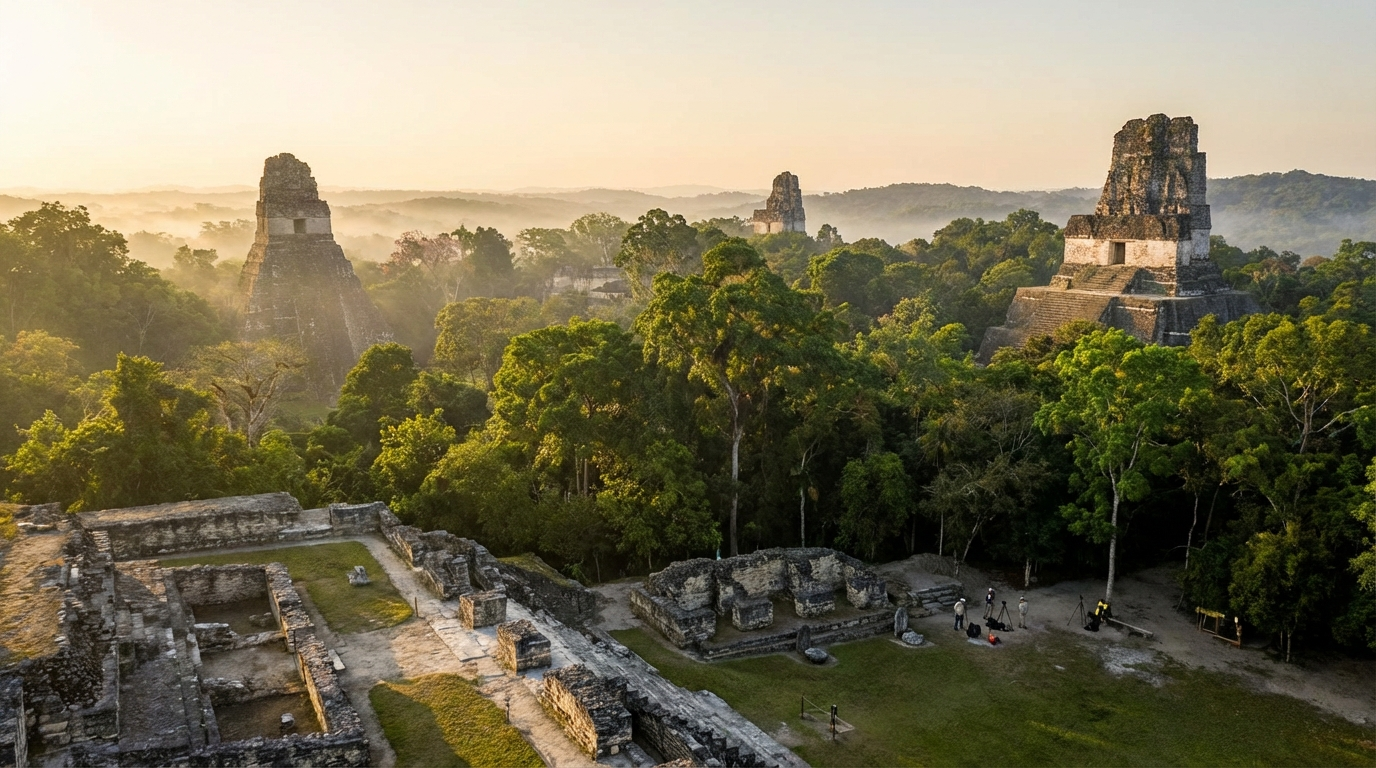
The sites most iconic features are its soaring temple-pyramids, which rise above the surrounding jungle canopy and are visible from kilometers away. Temple I (Temple of the Great Jaguar) and Temple II (Temple of the Masks) face each other across the Grand Plaza, creating one of the most photographed scenes in all of Mesoamerican archaeology. Temple IV, at 65 meters the tallest pre-Columbian structure in the Americas, offers visitors who climb its wooden staircase a breathtaking panoramic view across an unbroken sea of jungle canopy.
Beyond the temples, Tikal encompasses thousands of structures spread across approximately 16 square kilometers of protected tropical forest. The North Acropolis served as the royal necropolis, containing the tombs of Tikals earliest rulers. The Central Acropolis is believed to have functioned as the royal palace complex. The Lost World complex features an astronomical observation pyramid that predates the sites more famous temples by several centuries.
Visiting Tikal: Practical Information
Most visitors reach Tikal from the island town of Flores on Lake Petén Itzá, approximately one hour by road from the park entrance. Flores offers a range of accommodation from budget hostels to comfortable lakeside hotels and serves as the regional transportation hub, with daily flights from Guatemala City.
For the most memorable experience, consider arriving at the park for sunrise — watching dawn break over the jungle from the top of Temple IV, with the sounds of howler monkeys and tropical birds filling the air, is one of Central Americas most unforgettable experiences. Multi-day visits allow exploration of the sites more remote complexes and provide opportunities to observe the parks remarkable wildlife, which includes spider monkeys, toucans, coatimundis, and the elusive jaguar.
El Mirador: The Lost City
Deep in the northern Petén jungle, El Mirador represents what many archaeologists consider the cradle of Maya civilization. This massive Preclassic city, which flourished from approximately 600 BC to 100 AD, features La Danta — a temple complex that, measured from its base, is one of the largest pyramids by volume ever constructed anywhere in the world.
Reaching El Mirador requires a challenging five-day round-trip trek through dense jungle from the village of Carmelita, or alternatively a helicopter flight that dramatically reduces travel time but significantly increases cost. The trek itself is an adventure, passing through pristine tropical forest and several smaller archaeological sites along the ancient causeway that once connected El Mirador to other cities in its network.
Recent LiDAR surveys have revealed that El Mirador was part of a vast network of interconnected cities, causeways, and agricultural features that suggest a level of political and economic organization far more complex than previously understood. Ongoing excavations continue to reshape our understanding of early Maya civilization and may eventually make El Mirador as significant to Maya studies as Tikal itself.
Yaxhá: Lakeside Grandeur
Situated on the shores of Lake Yaxhá in the Petén, this beautifully restored site offers a more intimate alternative to Tikal with equally stunning views. Yaxhá was a major city during the Classic period and features well-preserved temples, palaces, and ball courts arranged around multiple plazas. The sites crowning glory is Temple 216, which provides a magnificent sunset view over the lake and surrounding jungle.
Yaxhá gained international recognition when it served as the filming location for the television series Survivor: Guatemala. The sites relative accessibility — it can be reached by road from Flores in about an hour — combined with its smaller visitor numbers make it an excellent choice for travelers seeking a more peaceful archaeological experience.
Quiriguá: The Stelae Capital
In the Motagua Valley of eastern Guatemala, the UNESCO World Heritage Site of Quiriguá is home to the tallest carved stone monuments in the Maya world. Stela E, standing at over 10 meters and weighing approximately 65 tons, is the largest freestanding stone monument in the pre-Columbian Americas. The sites collection of intricately carved stelae and zoomorphic monuments represents some of the finest stone carving produced by Maya artists.
Quiriguás most famous moment in history came in 738 AD when its ruler, Cauac Sky, captured and sacrificed the king of nearby Copán — an event that transformed this small vassal state into a powerful independent city. The stelae erected to commemorate this victory and subsequent achievements display an artistic sophistication that belies the citys relatively modest size.
Iximché: Highland Maya Capital
Located near the modern town of Tecpán in the Guatemalan highlands, Iximché was the capital of the Kaqchikel Maya kingdom when the Spanish conquistadors arrived in 1524. The site features well-preserved temple platforms, ball courts, and palace structures arranged around four main plazas, set against a backdrop of pine forests and highland scenery distinctly different from the lowland jungle sites.
Iximché holds special significance as a living ceremonial site — Maya spiritual leaders continue to perform ceremonies at the temples, and visitors may witness these rituals taking place. The site also played a crucial role in colonial history: Pedro de Alvarado established the first Spanish capital of Guatemala here in 1524, before conflicts with the Kaqchikel led to its relocation.
Aguateca: The Fortified City
Perched on a dramatic limestone escarpment above the Petexbatún lagoon system in the Petén, Aguateca is unique among Maya sites for its natural defensive position and the circumstances of its abandonment. The city was hastily evacuated around 800 AD during a military attack, leaving behind an extraordinary archaeological record of everyday Maya life — tools, pottery, and personal belongings were left in place, providing researchers with a Pompeii-like snapshot of a Maya household.
Access to Aguateca involves a boat journey across the lagoon followed by a trail that crosses a dramatic natural chasm in the limestone — the same feature that made the site defensible in ancient times. The journey itself is part of the experience, passing through some of the most beautiful and least-visited landscapes in the Petén.
Planning Your Archaeological Journey
A comprehensive archaeological tour of Guatemala requires at least seven to ten days, though travelers with limited time can focus on Tikal and one or two additional sites. The following suggested itinerary covers the major sites:
Days 1-3: Fly to Flores, visit Tikal (including sunrise and sunset visits) and Yaxhá. Days 4-5: Travel to the Motagua Valley to visit Quiriguá, with a possible side trip to Copán across the Honduran border. Days 6-7: Highland sites including Iximché and the market town of Chichicastenango. This itinerary can be extended with the El Mirador trek (add 5 days) or visits to smaller sites throughout the country.
Hiring knowledgeable guides is strongly recommended at all archaeological sites. A good guide transforms a visit from looking at stone structures to understanding the political intrigues, astronomical knowledge, and artistic achievements of one of the worlds great civilizations. Many guides are descendants of the Maya people who built these cities, adding a personal and cultural dimension to the experience.
The Future of Maya Archaeology in Guatemala
Recent technological advances, particularly LiDAR aerial surveying, have revolutionized Maya archaeology in Guatemala. Surveys conducted over the Petén have revealed tens of thousands of previously unknown structures, extensive agricultural systems, and interconnecting causeways that suggest the ancient Maya population and level of urbanization were far greater than previously estimated.
These discoveries are reshaping our understanding of Maya civilization and will likely lead to the identification and eventual excavation of new sites in the coming decades. For visitors to Guatemala, this means that the archaeological landscape is dynamic and evolving — there has never been a more exciting time to explore the ancient Maya world.
Conclusion
Guatemalas archaeological sites offer visitors an unparalleled window into one of humanitys most fascinating civilizations. From the jungle-shrouded temples of Tikal to the intricately carved monuments of Quiriguá, each site reveals a different facet of Maya achievement and ingenuity. As ongoing research continues to uncover new discoveries and deepen our understanding of the ancient Maya, Guatemala remains the essential destination for anyone drawn to the mysteries and magnificence of this extraordinary civilization.
Artículos relacionados
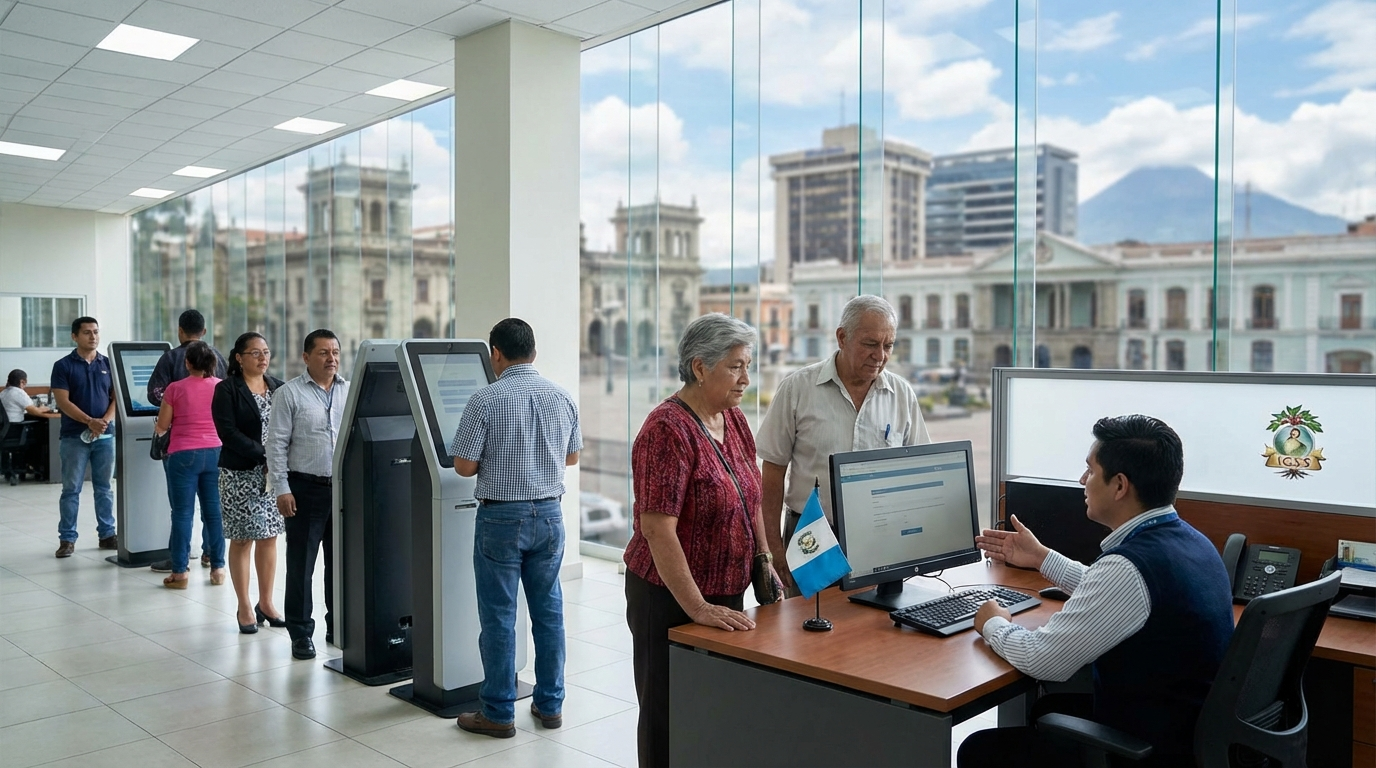
Trámites del IGSS Guatemala 2026: Guía Completa de Pensiones, Prestaciones y Afiliación
Guía actualizada 2026 de trámites IGSS Guatemala: pensión por vejez, subsidios por maternidad e incapacidad, afiliación. Requisitos y pasos.
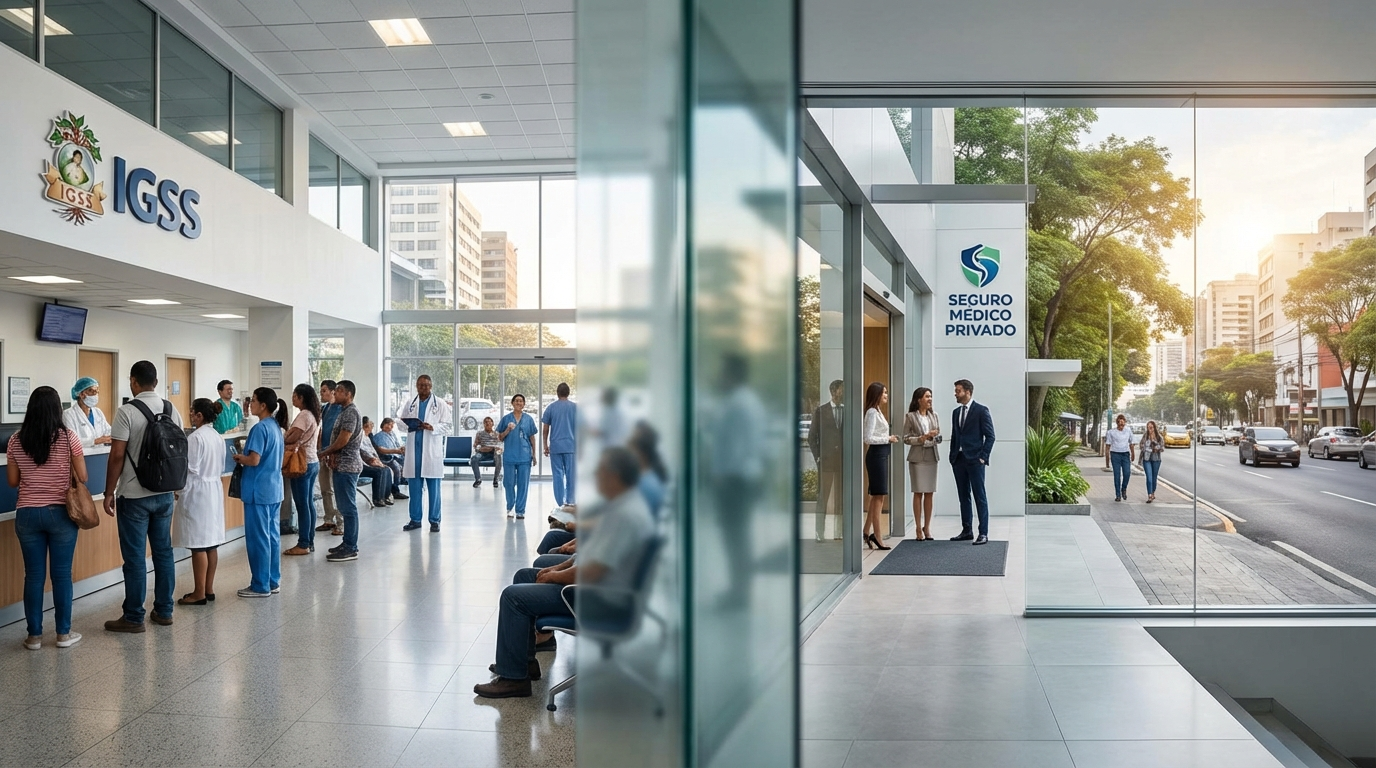
IGSS vs Seguro Médico Privado Guatemala 2026: ¿Cuál Conviene Más?
Comparativa completa IGSS vs seguro médico privado en Guatemala 2026. Costos, coberturas, ventajas y desventajas. ¿Cuál es mejor para tu familia?
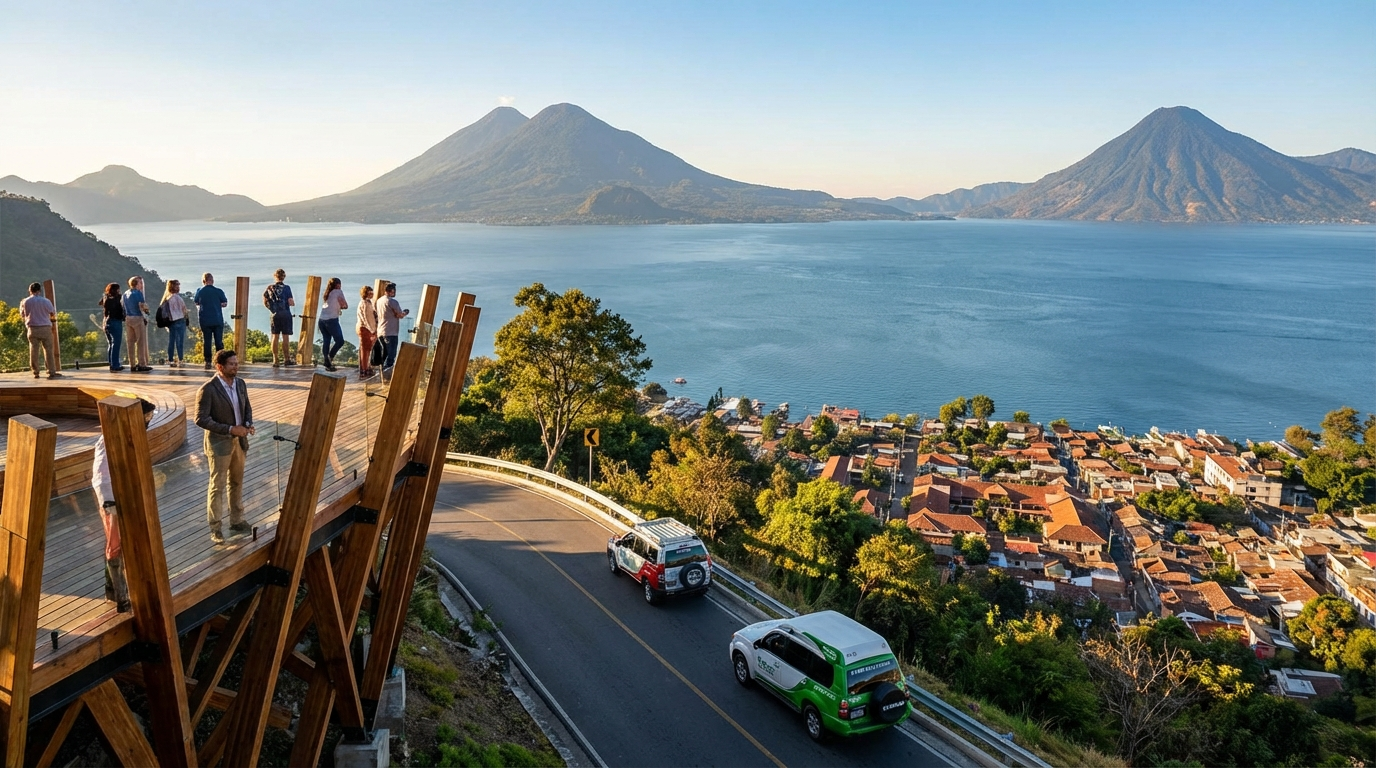
Turismo Guatemala Novedades: Lo Más Reciente para Tu Próxima Aventura
Guatemala, el Corazón del Mundo Maya, se reinventa constantemente para ofrecer a sus visitantes experiencias únicas. Exploramos las últimas novedades en turismo que transformarán tu próxima aventura.

Tráfico Guatemala Hoy: Rutas Alternas y Guía para Navegar la Ciudad
Navegar el tráfico en Guatemala puede ser un desafío diario. Esta guía te ofrece las mejores rutas alternas, herramientas y consejos para optimizar tu tiempo y evitar la congestión.