
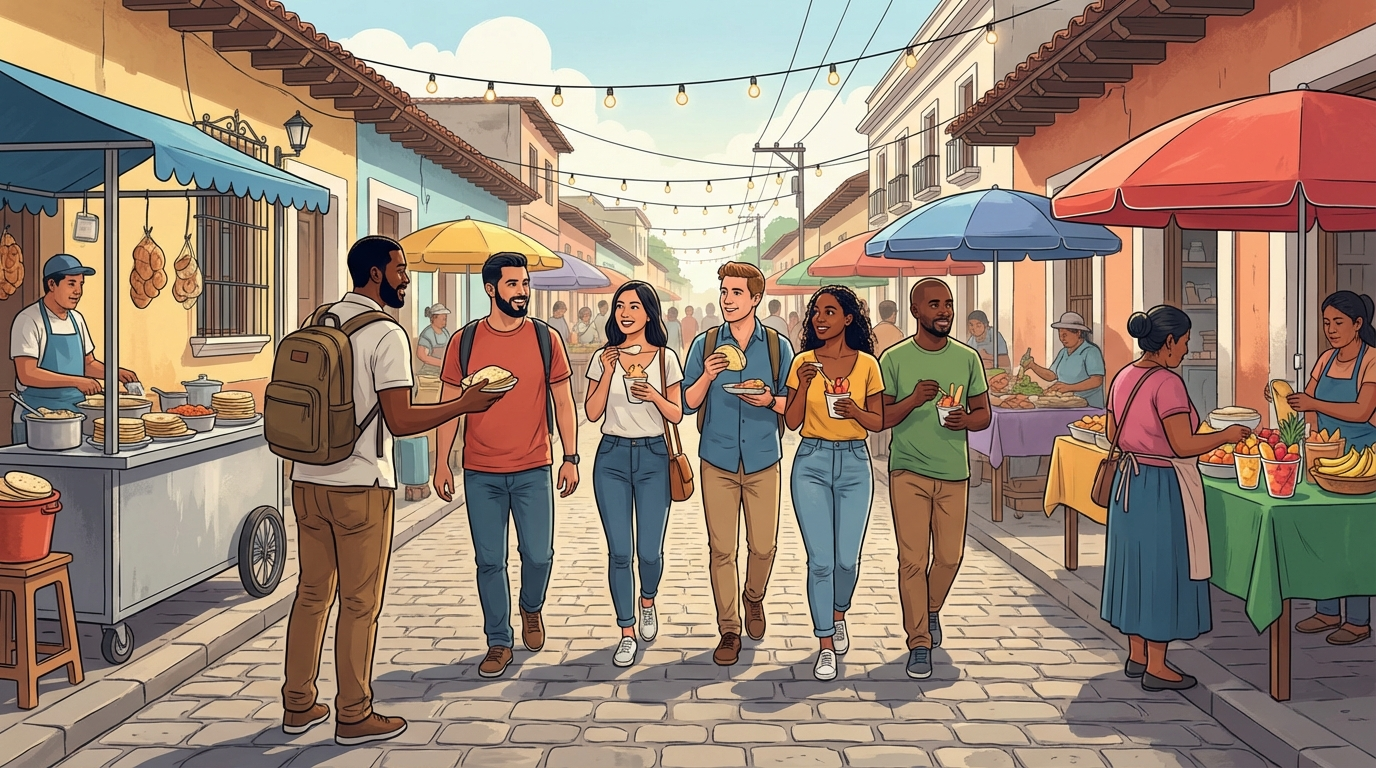
Street Food in Guatemala City: The Ultimate Walking Tour
Guatemala Citys Vibrant Street Food Scene
Guatemala City, the largest metropolitan area in Central America, pulses with a street food culture that reflects the countrys rich culinary heritage. From pre-dawn market stalls serving traditional breakfasts to late-night taco stands catering to the after-work crowd, the capitals street food scene offers an accessible and delicious window into Guatemalan culture. This walking tour guide takes you through the citys most flavorful neighborhoods, revealing the dishes, stories, and people that make Guatemala Citys street food scene one of the most underrated in Latin America.
Starting Point: Mercado Central (Zone 1)
Every great street food tour begins at the market, and Guatemala Citys Mercado Central is the mother of all markets. Located beneath the main plaza in the historic center, this sprawling underground market is a sensory overload of colors, aromas, and flavors that has served as the citys culinary heart for generations.
Start your morning with a traditional Guatemalan breakfast at one of the markets comedores (food stalls). Order desayuno chapín — a plate featuring black beans (whole or refried), scrambled eggs, fried plantains, fresh cream, and handmade corn tortillas. Wash it down with a cup of café de olla, coffee brewed with cinnamon and panela (unrefined cane sugar) in a clay pot. This hearty breakfast costs around Q25-35 ($3-4.50 USD) and provides the fuel youll need for a full day of food exploration.
While at the market, seek out the atol vendors — women who serve traditional hot corn-based beverages from large pots. Atol de elote (sweet corn atol) is the most popular, made from fresh corn, milk, sugar, and cinnamon. The thicker atol blanco, made from white corn masa, has a more subtle flavor that pairs beautifully with the markets famous tamales. These pre-Hispanic beverages offer a direct connection to ancient Maya food traditions that continue to nourish Guatemala City residents daily.
Stop 2: Sexta Avenida Street Food Strip (Zone 1)
Walking south from the Mercado Central along Sexta Avenida (Sixth Avenue), youll encounter one of the citys densest concentrations of street food vendors. This pedestrian-friendly stretch comes alive around mid-morning with pushcart vendors offering an incredible variety of snacks and quick meals.
The star attraction here is the shucos — Guatemala Citys signature hot dog that bears little resemblance to its American cousin. A proper shuco starts with a long, soft bun thats toasted on a charcoal grill, then filled with a boiled hot dog, guacamole, cabbage slaw, mayonnaise, mustard, ketchup, and your choice of additional toppings. Most vendors offer upgrades including chorizo, longaniza (a local sausage), bacon, and jalapeños. The combination might sound excessive, but the flavors come together in a uniquely satisfying way that has made shucos an essential Guatemala City experience. A fully loaded shuco typically costs Q15-25 ($2-3 USD).
Also along Sexta Avenida, watch for the rellenitos vendors. These sweet black bean-filled plantain fritters are one of Guatemalas most beloved snacks. Ripe plantains are mashed, stuffed with sweetened black bean paste, shaped into ovals, and deep-fried until golden. The contrast between the sweet, caramelized plantain exterior and the earthy bean filling is addictive. Some vendors add a touch of chocolate to the bean filling, creating an even more indulgent version.
Stop 3: Parque Concordia Taco Scene (Zone 1)
A short walk from Sexta Avenida brings you to Parque Concordia, where a cluster of taco stands has operated for decades. While Mexico rightfully claims taco supremacy, Guatemala City has developed its own taco tradition that reflects local tastes and ingredients.
Guatemalan street tacos typically feature corn tortillas filled with carne asada (grilled beef), pollo (chicken), chorizo, or chicharrón (fried pork skin). What distinguishes them from their Mexican counterparts is the salsa — Guatemalan taco salsas tend to be milder and often tomato-based, reflecting the countrys general preference for subtler heat levels. The tacos are served with curtido (a lightly fermented cabbage slaw) and generous squeezes of lime.
The taco stands around Parque Concordia also serve garnachas — small, thick corn tortillas topped with seasoned ground beef, tomato sauce, and a sprinkle of hard cheese. These bite-sized snacks are perfect for grazing as you explore and are typically sold by the piece for Q3-5 each, making them one of the most affordable street food options in the city.
Stop 4: Mercado La Terminal Food Halls (Zone 4)
Taking a bus or taxi south to Zone 4 brings you to La Terminal, Guatemala Citys largest and most chaotic market complex. The food section of La Terminal is a world unto itself, with hundreds of vendors serving everything from elaborate multi-course lunches to simple snacks. This is where everyday Guatemala City residents eat, and the food is authentic, abundant, and incredibly affordable.
The must-try dish at La Terminal is pepián, widely considered Guatemalas national dish. This rich, thick stew combines chicken or beef with a complex sauce made from roasted tomatoes, tomatillos, dried chiles, toasted sesame seeds, and pumpkin seeds, all ground together on a stone metate. The sauce has a depth of flavor that reflects its pre-Hispanic origins — pepián predates the Spanish conquest and has been served continuously for over 500 years. A generous plate with rice and tortillas costs around Q25-30.
Another La Terminal essential is caldo de res — a hearty beef soup loaded with large chunks of corn on the cob, carrots, potatoes, chayote squash, güisquil, and green beans in a flavorful broth. Served in enormous bowls, this soup is a complete meal that Guatemalans often eat as a Saturday or Sunday lunch tradition. The tender beef and rich broth make it comfort food at its finest.
Stop 5: Zone 10 Modern Street Food (Zona Viva)
Moving to the more upscale Zone 10, also known as the Zona Viva, youll find a different side of Guatemala Citys street food scene. Here, traditional street food meets contemporary culinary innovation, with food trucks, pop-up stands, and modern market halls offering elevated versions of classic dishes alongside international fusion creations.
The Mercado food hall concept has taken root in Zone 10, with spaces like Mercado 24 bringing together curated vendors under one roof. Here you can find artisan versions of traditional street food — shucos made with craft sausages and house-made condiments, gourmet tamales filled with unexpected ingredients, and creative takes on classic Guatemalan dishes. Prices are higher than traditional street food but still reasonable by international standards.
Zone 10 is also the best area to sample Guatemalas growing craft beverage scene. Several vendors offer fresh-pressed sugarcane juice (agua de caña), craft agua frescas in flavors like rosa de jamaica (hibiscus), tamarindo, and horchata, and artisan hot chocolate made with Guatemalan cacao. These beverages complement the food perfectly and showcase ingredients that have been central to Guatemalan culture for millennia.
Stop 6: Evening Street Food in Zone 1
As evening falls, return to the historic center for the citys nighttime street food scene. Around the Parque Central and along surrounding streets, a different cast of vendors appears, offering dishes specifically associated with evening dining in Guatemala.
Tamales are the quintessential evening street food. Guatemalan tamales are larger and more elaborate than their Mexican counterparts, wrapped in banana leaves (rather than corn husks) and steamed until the masa achieves a silky, almost custard-like texture. The most traditional version, tamales colorados, features chicken in a rich red recado sauce with olives, capers, peppers, and prunes — a combination that reflects the fusion of Maya and Spanish culinary traditions. Tamales negros, made with chocolate-infused masa and a dark mole-like sauce, are a special treat. Street vendors sell individual tamales for Q10-15, making them an affordable and satisfying dinner.
The evening is also when chuchitos appear — smaller, simpler tamales wrapped in corn husks and topped with tomato sauce and hard cheese. Less elaborate than their banana-leaf cousins, chuchitos are everyday comfort food that Guatemalans eat as snacks or light suppers. Paired with a cup of hot atol or coffee, they make a perfect end to your walking tour.
Essential Street Food Safety Tips
Guatemala Citys street food is generally safe when you follow common-sense precautions. Eat at stalls with high turnover — busy vendors mean fresh food. Watch for vendors who maintain clean workstations and use gloves or utensils. Avoid pre-cut fruits unless you see them cut fresh, and skip raw salads at market stalls. Stick to bottled or purified water and freshly prepared hot beverages.
Most street food transactions are cash-only, so carry small bills (Q10, Q20, Q50). Vendors rarely have change for Q100 or Q200 notes. A full day of street food eating, sampling generously at each stop, will typically cost Q150-250 ($19-32 USD) — an incredible value for the quantity, quality, and cultural richness of the experience.
Beyond the Walking Tour
This walking tour covers the highlights, but Guatemala Citys street food scene extends far beyond these stops. Every neighborhood has its own beloved vendors, market stalls, and food traditions. The Sunday morning food scene at the Hipódromo del Norte, the late-night pupusa stands in Zone 11, and the weekend food markets in Zone 15 all deserve exploration if time permits.
Guatemala Citys street food tells the story of a culture that has been cooking with corn, beans, chiles, and chocolate for thousands of years while continuously absorbing new influences and innovations. Every bite connects you to this living culinary tradition, making street food exploration one of the most authentic and enjoyable ways to experience the heart of Guatemala. Buen provecho!
Artículos relacionados
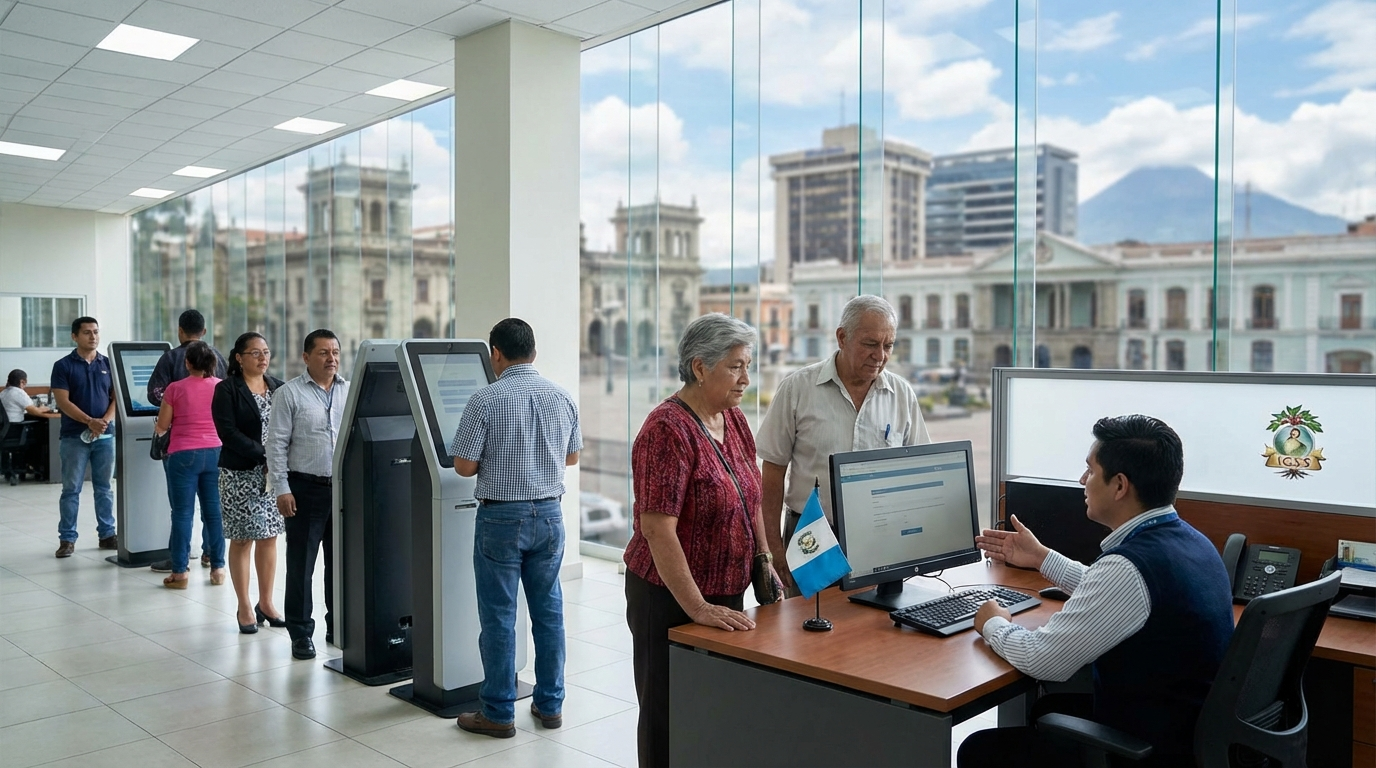
Trámites del IGSS Guatemala 2026: Guía Completa de Pensiones, Prestaciones y Afiliación
Guía actualizada 2026 de trámites IGSS Guatemala: pensión por vejez, subsidios por maternidad e incapacidad, afiliación. Requisitos y pasos.

IGSS vs Seguro Médico Privado Guatemala 2026: ¿Cuál Conviene Más?
Comparativa completa IGSS vs seguro médico privado en Guatemala 2026. Costos, coberturas, ventajas y desventajas. ¿Cuál es mejor para tu familia?
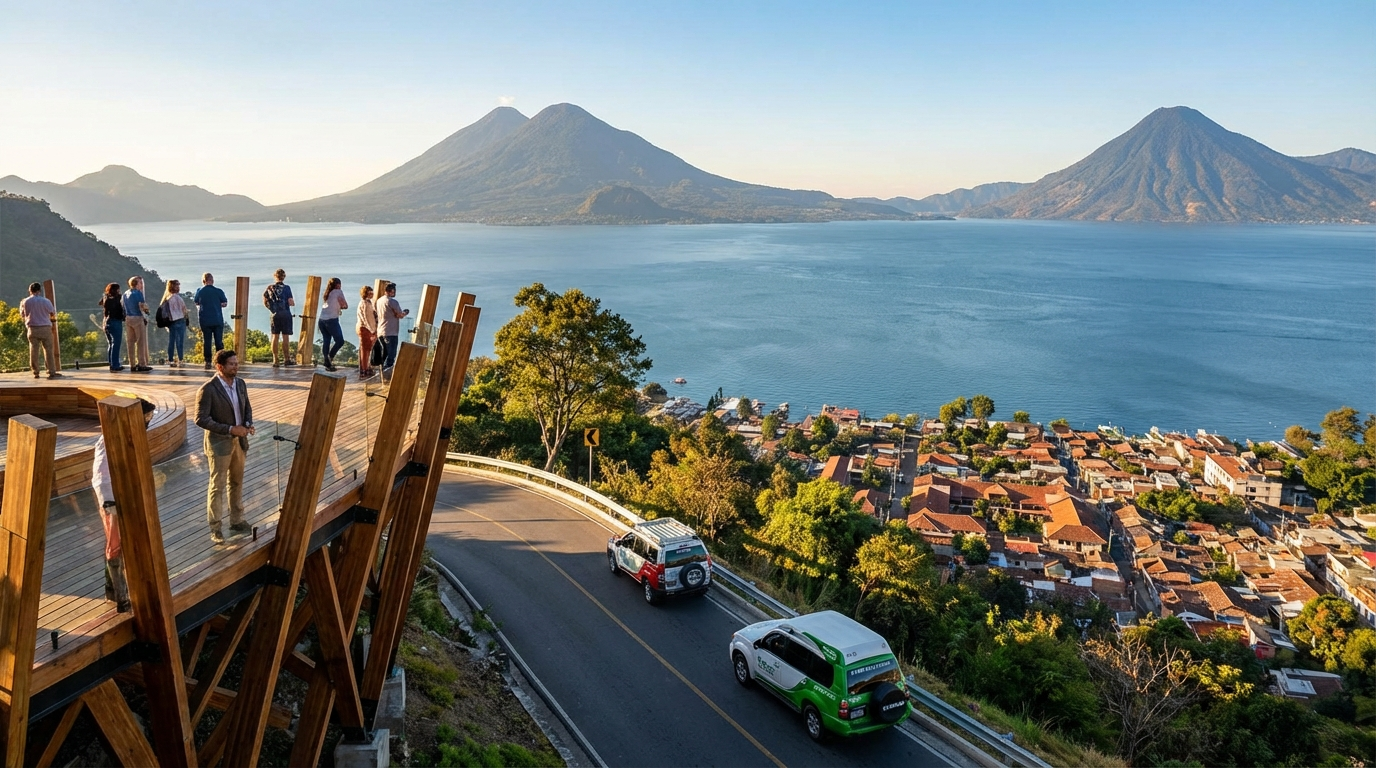
Turismo Guatemala Novedades: Lo Más Reciente para Tu Próxima Aventura
Guatemala, el Corazón del Mundo Maya, se reinventa constantemente para ofrecer a sus visitantes experiencias únicas. Exploramos las últimas novedades en turismo que transformarán tu próxima aventura.

Tráfico Guatemala Hoy: Rutas Alternas y Guía para Navegar la Ciudad
Navegar el tráfico en Guatemala puede ser un desafío diario. Esta guía te ofrece las mejores rutas alternas, herramientas y consejos para optimizar tu tiempo y evitar la congestión.