
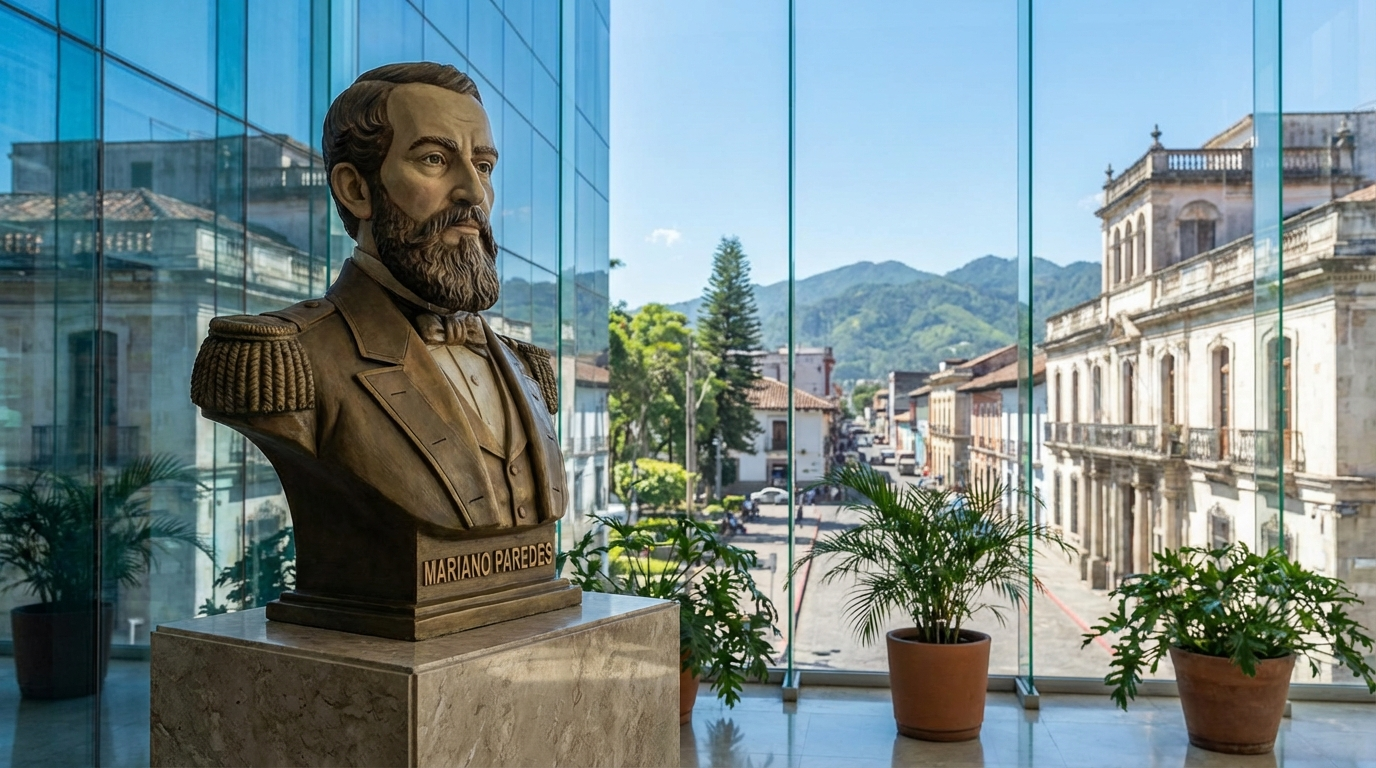
Mariano Paredes Presidente de Guatemala: A Look at His Era and Enduring Legacy
Guatemala, a land of ancient marvels, vibrant traditions, and breathtaking landscapes, holds a history as rich and diverse as its people. From the majestic ruins of the Maya civilization to the colonial charm of Antigua, every corner tells a story. Among the many figures who shaped this nation's trajectory, the name Mariano Paredes presidente de Guatemala emerges as a significant, albeit brief, chapter in its 19th-century narrative. Understanding his time in office offers a fascinating glimpse into a period of profound transition, laying groundwork for the independent republic we know today.
At Guate365.org, we believe that appreciating Guatemala fully means understanding its past, not just its present beauty. Join us as we journey back to the mid-1800s, exploring the political landscape, societal challenges, and the cultural backdrop against which Mariano Paredes served, and how his era continues to echo in the enduring spirit of this captivating Central American nation.
Mariano Paredes Presidente de Guatemala: A Glimpse into a Pivotal Period
The mid-19th century was a tumultuous time for Central America. Following the dissolution of the Federal Republic of Central America, individual nations, including Guatemala, grappled with establishing stable governance and defining their national identities. It was in this environment of political fluidity and regional tensions that Mariano Paredes assumed the presidency. His tenure, though short-lived, was a reflection of the intense ideological struggles between Liberals and Conservatives that characterized the era.
Born in Guatemala, Mariano Paredes rose through the military ranks. His presidency, from 1849 to 1851, occurred during a period marked by significant internal strife and external pressures. He came to power following a period of instability and amidst the rising influence of Rafael Carrera, a powerful conservative leader who would dominate Guatemalan politics for decades. Paredes's administration attempted to navigate these turbulent waters, often caught between the aspirations for a modern, liberal state and the deeply entrenched conservative forces that favored traditional structures and the influence of the church.
To truly grasp the context of Mariano Paredes presidente de Guatemala, one must consider the broader historical tapestry. Predecessors like Jose Bernardo Escobar presidente de Guatemala, who also navigated the early independent years, faced similar challenges in unifying a diverse population and establishing a cohesive national vision. Each leader contributed, in their own way, to the complex mosaic of Guatemalan state-building, often against a backdrop of civil unrest and economic hardship. Paredes's efforts, though constrained by the political realities of his time, represented a chapter in the ongoing struggle for national self-determination and stability.
The Challenges and Legacy of a Transitional Leader
The presidency of Mariano Paredes was characterized by significant political and military challenges. The country was still recovering from the wars of independence and the fragmentation of the Central American Federation. Internal factions frequently clashed, and the authority of the central government was often contested. Paredes, as a military man, often found himself dealing with insurrections and maintaining order in a deeply divided society.
Economically, Guatemala was predominantly an agrarian society, with coffee beginning to emerge as a significant export. However, infrastructure was rudimentary, and trade was limited. The social structure remained largely hierarchical, with indigenous communities, who constitute a rich part of Guatemala's heritage, often marginalized from political power, though their cultural practices continued to thrive.
While his direct policy achievements might not be as widely celebrated as those of longer-serving presidents, Paredes's presidency is crucial for understanding the transition to the more stable, albeit authoritarian, regime of Rafael Carrera that followed. His period in office highlights the fragility of early republican institutions and the immense task of nation-building in post-colonial Central America. It serves as a reminder of the foundational struggles that shaped the modern Guatemalan state, a state that today balances its historical roots with forward-looking aspirations.
Guatemala's Enduring Cultural Tapestry: Echoes of the Past, Vibrancy of the Present
Even during the tumultuous 19th century, Guatemala's rich cultural life continued to flourish, adapting and evolving amidst political shifts. The deep traditions and vibrant expressions that define Guatemalan culture today have roots stretching back centuries, far predating the era of Mariano Paredes presidente de Guatemala.
Celebrating Traditions: From Holy Week to Indigenous Dress
One of the most profound cultural experiences in Guatemala is the annual celebration of Holy Week Antigua Guatemala 2026 (and every year). These elaborate processions, particularly famous in Antigua, date back to colonial times and continue to draw thousands of visitors and participants. The devotion, the intricate sawdust carpets (alfombras), and the solemn yet vibrant atmosphere are a testament to the enduring faith and artistic spirit of the Guatemalan people. It’s a tradition that has transcended centuries, connecting modern Guatemalans to their ancestors who observed similar rituals even during the political upheavals of Paredes's time.
Beyond religious festivals, Guatemala's cultural identity is beautifully expressed through its indigenous heritage. The country is a mosaic of different Maya groups, each with its unique customs, languages, and, significantly, its traditional attire. When we talk about los 22 trajes tipicos de Guatemala por departamento, or simply the 22 trajes tipicos de Guatemala, we are referring to a stunning array of hand-woven garments that are not merely clothing but living art forms. Each hue, pattern, and design tells a story of identity, community, and ancestral knowledge. These traditions were vibrant long before the 19th century and remain a proud symbol of resilience and cultural continuity today, connecting us to the diverse population that Mariano Paredes would have governed.
Flavors of History: Guatemala's Culinary Delights
Just as clothing and festivals tell a story, so does food. The 5 comidas tipicas de Guatemala are a delicious journey through the country's agricultural bounty and culinary heritage. Dishes like Pepián, Kak'ik, and Jocón are more than just meals; they are expressions of a rich mestizo and indigenous culinary tradition. These flavors, rooted in ancient Maya techniques and blended with Spanish influences, have been savored by generations of Guatemalans, connecting daily life across centuries, from the time of Mariano Paredes to the bustling kitchens of today.
Nature and Ancient Heritage: A Timeless Allure
Guatemala's natural beauty and ancient archaeological sites stand as timeless testaments to its grandeur, largely unaffected by the political shifts of any particular presidency. These natural and historical treasures have attracted explorers and travelers for centuries, and continue to be a cornerstone of the country's appeal.
From the lush rainforests of Petén to the volcanic highlands, Guatemala offers an unparalleled adventure for nature lovers. Its biodiversity is astounding, home to exotic birds, diverse flora, and breathtaking landscapes. Sites like Lake Atitlán, often called one of the most beautiful lakes in the world, offer serene beauty and a glimpse into traditional Maya life that has persisted for millennia.
Beyond natural wonders, Guatemala boasts an incredible archaeological heritage. While Tikal is the most famous, lesser-known but equally fascinating sites like Aguateca Guatemala offer a deeper dive into the sophisticated world of the Maya civilization. Aguateca, strategically located along the Pasión River, was a major Maya city that provides invaluable insights into Classic Maya warfare and daily life. Exploring such sites allows visitors to connect with a history that stretches back thousands of years, offering perspective on the relatively recent historical period of Mariano Paredes presidente de Guatemala.
Guatemala Today: Bridging Past and Present for a Vibrant Future
Modern Guatemala is a dynamic nation that skillfully balances its profound historical and cultural legacy with the demands and opportunities of the 21st century. While the political landscape has evolved significantly since the era of Mariano Paredes, the spirit of resilience and innovation continues to define the country.
Today, Guatemala is a hub of economic activity and cultural exchange. Its cities, like Guatemala City, are bustling centers offering a range of modern amenities and services. The entrepreneurial spirit is strong, with individuals and businesses constantly seeking new avenues for growth. For those looking to invest or start new ventures, understanding the local market is key, and exploring 10 negocios rentables en Guatemala can provide valuable insights into promising sectors.
The country is also making strides in education and global connectivity. Learning a new language, especially English, is increasingly important in a globalized world, and many individuals seek out academias de ingles en Guatemala to enhance their skills and opportunities. This focus on personal and professional development showcases a nation eager to engage with the wider world.
While the focus of this article is historical, it's worth noting that the country's economic landscape has also diversified. For citizens and residents, navigating personal finances is a reality, whether it's understanding options for prestamos personales en Guatemala or managing mobile services like how to prestar saldo en Claro Guatemala. These practical aspects of modern life reflect a nation that has moved far beyond the political struggles of its early republican years, building a robust, albeit still developing, economy.
Even in the realm of art and public life, contemporary figures continue to emerge, enriching the national narrative. While distinct from the political sphere of the 19th century, individuals like Miguel Babo Guatemala, through their contributions to various fields, exemplify the ongoing creativity and talent that thrive in the country today, adding new layers to its ever-evolving story.
Guatemala's journey from the turbulent 19th century to its present-day vibrancy is a testament to the enduring strength and adaptability of its people. The foundations laid by figures like Mariano Paredes, even amidst their struggles, contributed to the ongoing process of nation-building, culminating in the diverse and captivating country we experience today.
Planning Your Guatemalan Journey with Guate365
Whether your interest lies in delving deep into historical figures like Mariano Paredes presidente de Guatemala, experiencing the solemn beauty of Holy Week, exploring ancient Maya cities, or simply savoring delicious traditional cuisine, Guatemala offers an unforgettable adventure. Guate365.org is your comprehensive guide to discovering all that this magnificent country has to offer.
From practical travel tips to in-depth cultural insights, we aim to equip you with all the information you need to plan an enriching and memorable trip. Explore our guides on everything from natural wonders and adventure sports to the best places to eat and stay. Understand the local customs, learn a few phrases in Spanish or a Maya language, and immerse yourself in the warmth of Guatemalan hospitality.
As you plan your visit, consider how the threads of history, culture, and nature weave together to create the unique tapestry that is Guatemala. Every cobblestone street in Antigua, every intricate pattern in an indigenous textile, and every ancient ruin holds a piece of this story, connecting you to the past while celebrating the vibrant present.
Conclusion: The Enduring Spirit of Guatemala
The presidency of Mariano Paredes presidente de Guatemala represents a crucial, albeit challenging, chapter in the nation's 19th-century history. His era, marked by political transition and the forging of a new republic, laid part of the foundation for the Guatemala we know today. While historical figures provide context, it is the enduring spirit of the Guatemalan people, their rich cultural traditions, and the country's stunning natural beauty that truly define this land.
From the ancient wisdom embedded in Maya sites like Aguateca, to the colorful celebrations of Holy Week, and the intricate designs of los 22 trajes tipicos de Guatemala por departamento, Guatemala is a country that continuously invites exploration and discovery. It's a place where history lives alongside modernity, where ancient traditions thrive, and where every visitor can find a profound connection to its captivating narrative. Guate365.org invites you to uncover these stories and experience the magic of Guatemala for yourself.
Frequently Asked Questions About Mariano Paredes and Guatemalan History
Who was Mariano Paredes and when was he president of Guatemala?
Mariano Paredes was a Guatemalan military officer who served as President of Guatemala from 1849 to 1851. His presidency occurred during a period of significant political instability following the dissolution of the Federal Republic of Central America, marked by ongoing conflicts between liberal and conservative factions.
What were the main challenges during Mariano Paredes's presidency?
During Mariano Paredes's short tenure, Guatemala faced profound challenges including internal political strife, military insurrections, and the efforts to establish a stable national government in the wake of regional disintegration. His administration was also caught between the rising influence of conservative leader Rafael Carrera and the aspirations for a more liberal state.
How does Mariano Paredes's era connect to modern Guatemalan culture?
While Paredes's presidency was primarily political, his era contributed to the ongoing process of nation-building in Guatemala. The cultural traditions that thrived during his time, such as those seen in Holy Week Antigua Guatemala 2026 celebrations and the rich diversity of 22 trajes tipicos de Guatemala, continued to develop and solidify, forming the vibrant cultural tapestry that defines the nation today. His period highlights the resilience of Guatemalan identity amidst political change.
Were there other significant presidents around Mariano Paredes's time?
Yes, Mariano Paredes's presidency was part of a larger continuum of leaders navigating post-independence Guatemala. For instance, Jose Bernardo Escobar presidente de Guatemala also served in the early years of the republic, facing similar challenges in establishing national unity and governance. The period saw a succession of leaders, each contributing to the complex formation of the modern Guatemalan state.
What historical sites from that period can visitors explore in Guatemala?
While specific sites directly tied to Mariano Paredes's administration might be limited due to the turbulent nature of the period, visitors can explore colonial-era architecture and institutions in places like Antigua Guatemala, which would have been present during his time. To understand the broader historical context, archaeological sites like Aguateca Guatemala offer a glimpse into the much deeper history of the Maya civilization that preceded this republican era, providing a rich backdrop to Guatemala's enduring heritage.
Artículos relacionados
Trámites del IGSS Guatemala 2026: Guía Completa de Pensiones, Prestaciones y Afiliación
Guía actualizada 2026 de trámites IGSS Guatemala: pensión por vejez, subsidios por maternidad e incapacidad, afiliación. Requisitos y pasos.
IGSS vs Seguro Médico Privado Guatemala 2026: ¿Cuál Conviene Más?
Comparativa completa IGSS vs seguro médico privado en Guatemala 2026. Costos, coberturas, ventajas y desventajas. ¿Cuál es mejor para tu familia?
Turismo Guatemala Novedades: Lo Más Reciente para Tu Próxima Aventura
Guatemala, el Corazón del Mundo Maya, se reinventa constantemente para ofrecer a sus visitantes experiencias únicas. Exploramos las últimas novedades en turismo que transformarán tu próxima aventura.
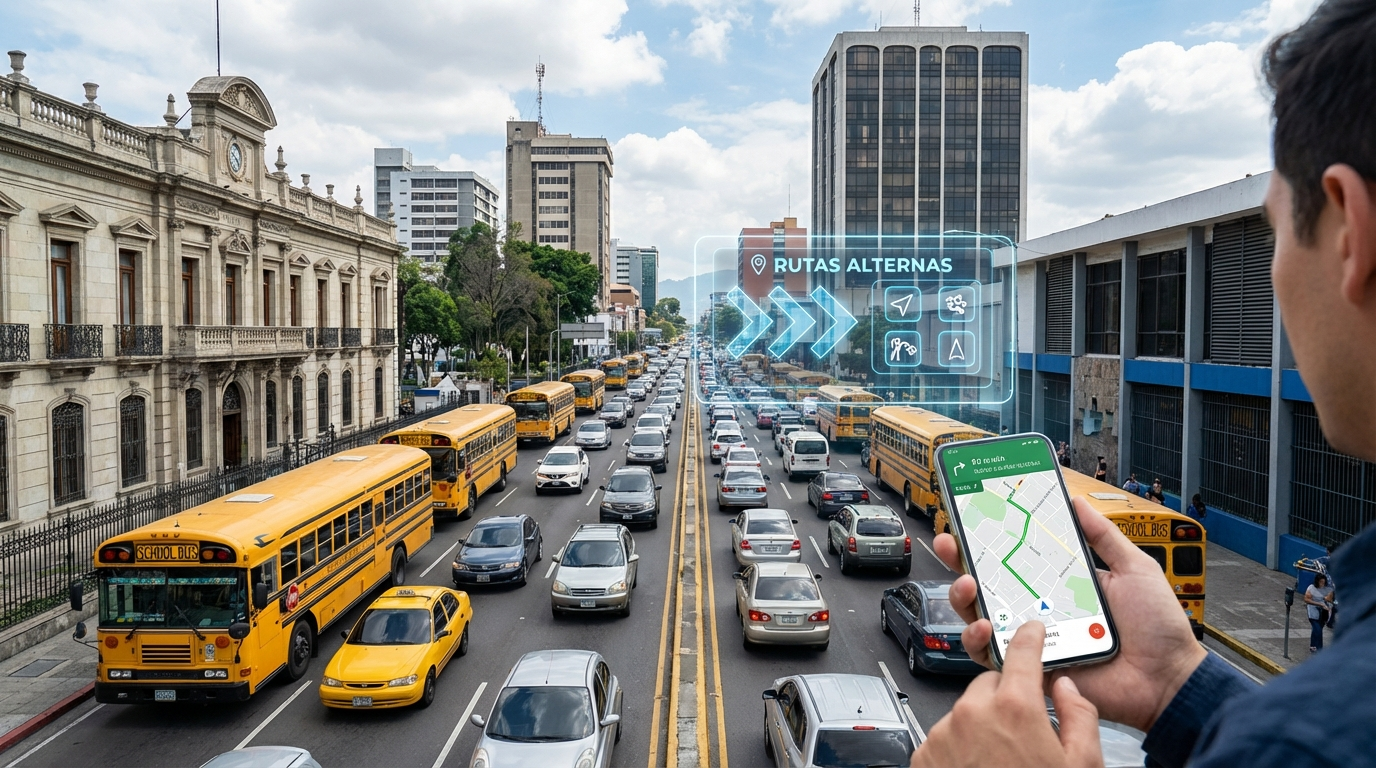
Tráfico Guatemala Hoy: Rutas Alternas y Guía para Navegar la Ciudad
Navegar el tráfico en Guatemala puede ser un desafío diario. Esta guía te ofrece las mejores rutas alternas, herramientas y consejos para optimizar tu tiempo y evitar la congestión.