
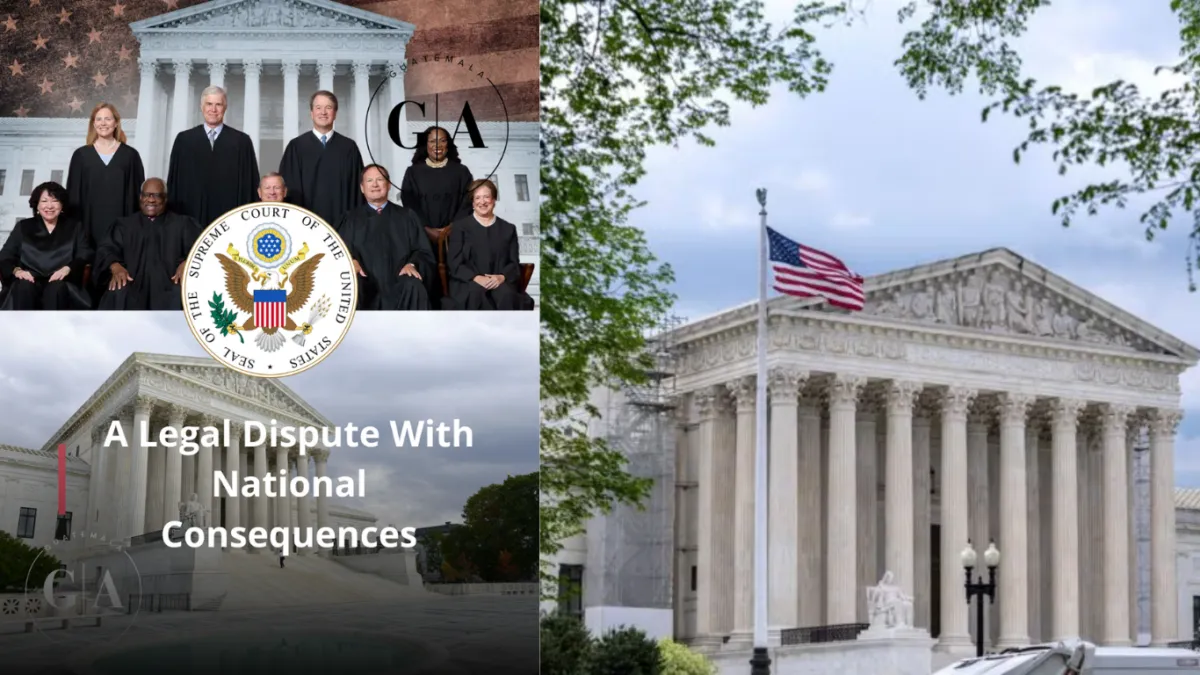
U.S. Supreme Court Takes Up Case That Could Redefine Federal Immigration Authority
A Legal Dispute With National Consequences
The U.S. Supreme Court has agreed to hear a case that could reshape how immigration laws are enforced across the country. The dispute centers on whether federal authorities can limit the ability of individual states to pursue their own immigration-related actions, a long-standing point of tension between Washington and several state governments.
At the core of the case is a challenge brought by a coalition of states that argue the federal government has failed to enforce existing immigration laws. They claim that this inaction has pushed states to assume responsibilities typically reserved for federal agencies. The federal government maintains that immigration policy must remain centralized to prevent conflicting rules and to maintain national consistency.
Implications for Enforcement and State Power
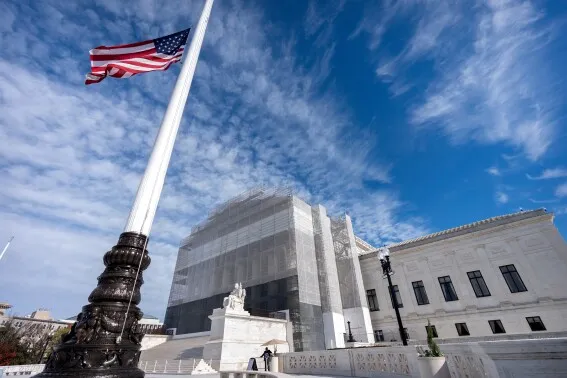
Legal analysts warn that the ruling could set a precedent affecting border operations, asylum procedures, and state-level enforcement strategies. A decision favoring states could open the door for more aggressive regional policies, while a decision backing the federal government would reinforce Washington’s exclusive authority in immigration matters.
The case also has political weight. Both parties are framing the dispute as a test of national security and constitutional limits. Advocacy groups say the outcome may directly shape future approaches to undocumented migration, detention practices, and cooperation between state and federal agencies.
Potential Impact on Central America and Migration Routes
For countries like Guatemala, the decision could influence how future migrants are processed or detained once they reach U.S. territory. Analysts note that changes in enforcement power often lead to shifts in migration routes, risks along the journey, and the speed of asylum evaluations.
The Court is expected to issue its ruling later this year. With national attention focused on immigration, the decision may carry long-term repercussions for legal frameworks and human mobility throughout the region.
Do you think this ruling will increase clarity in immigration enforcement, or create new points of conflict between federal and state authorities?
Artículos relacionados

Darwin Lom, habilitado para su noche en Libertadores
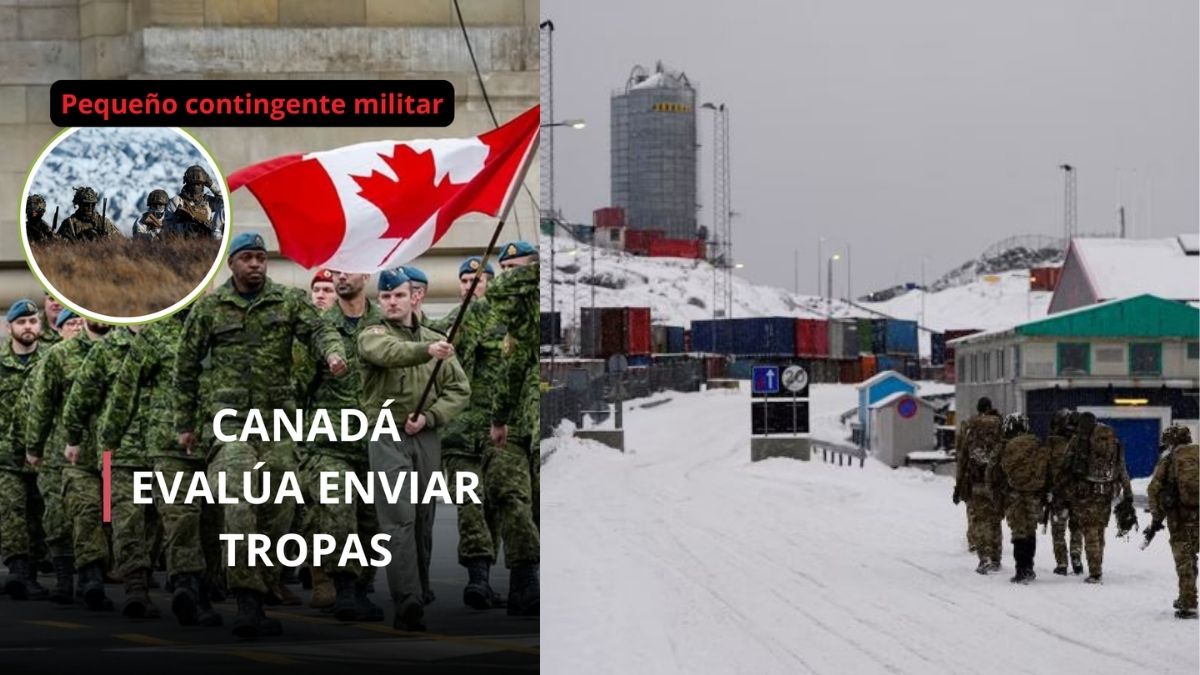
Canadá evalúa enviar tropas a Groenlandia para ejercicios de la OTAN
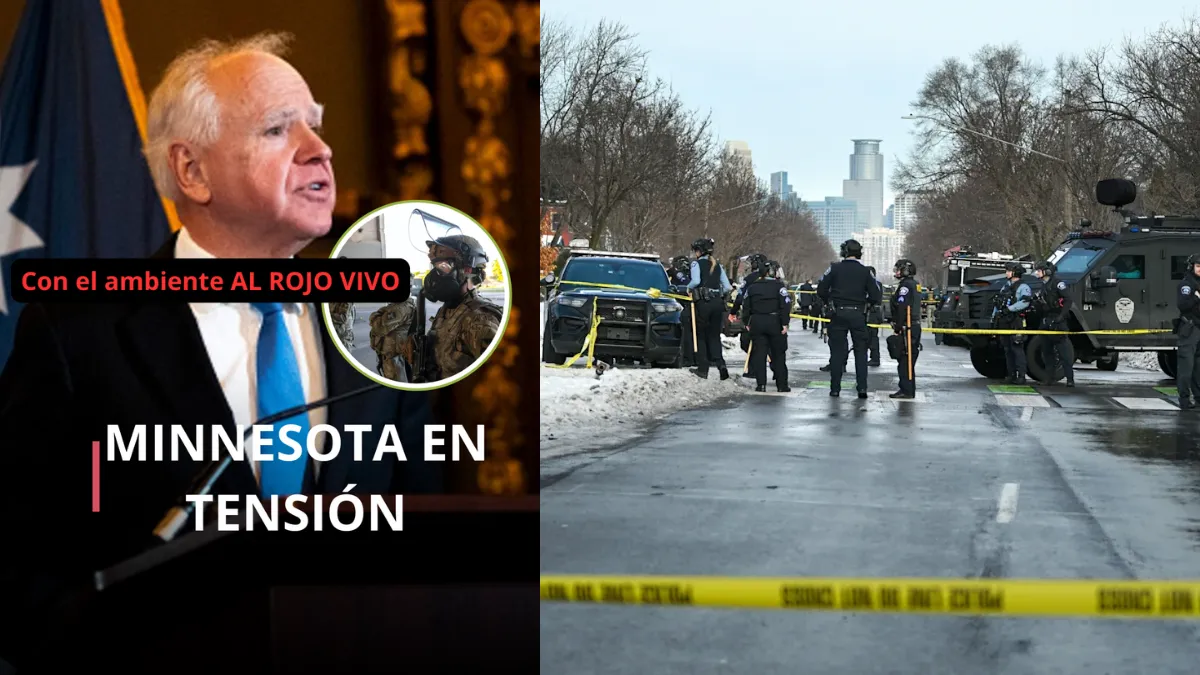
Minnesota tras la disparicion de Renee Good: protestas, operativos migratorios y choque político