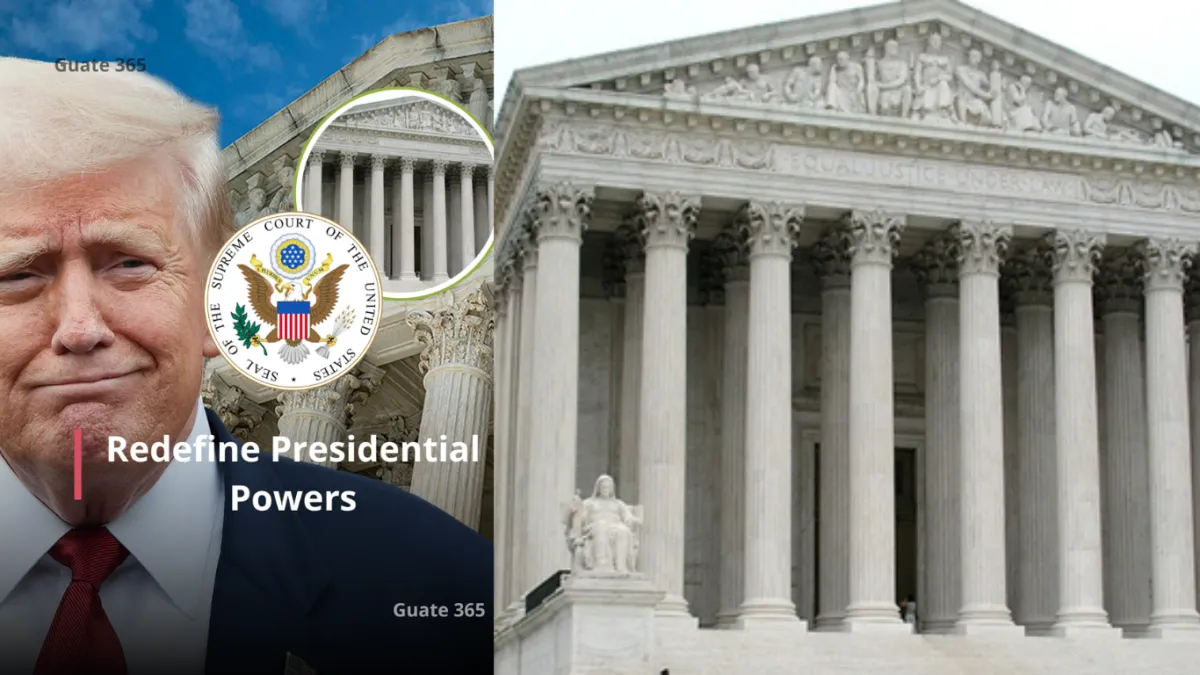
U.S. Supreme Court Agrees to Hear Case That Could Redefine Presidential Powers
Landmark Review Could Shift Balance Between Executive and Other Branches
The U.S. Supreme Court has agreed to hear a high-profile case that legal experts say could significantly reshape the scope of presidential authority. The dispute centers on whether certain executive actions taken without congressional approval exceeded constitutional limits, raising fundamental questions about the balance of power in Washington.
The Court’s decision to take the case signals the gravity of the constitutional issues at stake. While details of the challenge remain under seal pending official release, sources familiar with the litigation confirm that the outcome could either reinforce long-standing checks on the presidency or expand executive authority in unprecedented ways.
Political and Legal Stakes for the Federal Government
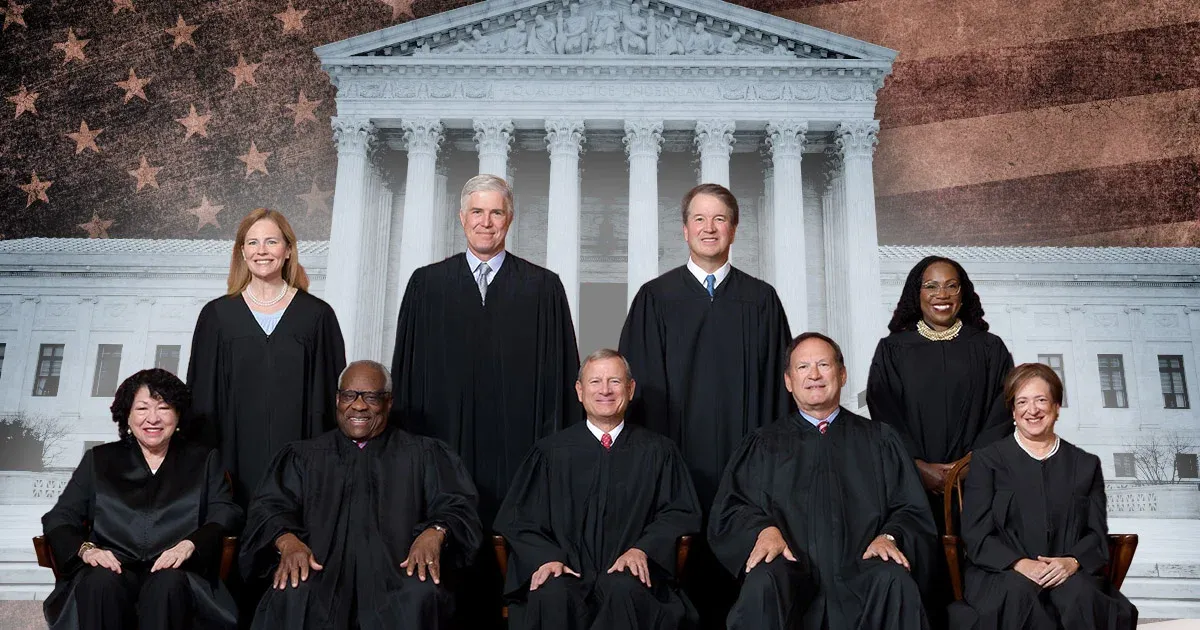
Lawmakers from both parties view the case as one of the most consequential constitutional disputes in recent years. Supporters of the challenge argue that recent administrations—regardless of political party—have increasingly relied on executive orders to bypass legislative gridlock. They claim this trend threatens the separation of powers envisioned by the framers of the Constitution.
Opponents warn that restricting executive authority could limit the government’s ability to respond quickly to national emergencies, including issues such as border security, public health crises, and economic instability. Several advocacy groups have already signaled plans to file amicus briefs as the case progresses.
Broader Implications for Governance and Policy
If the Court narrows presidential power, federal agencies may face tighter constraints when issuing regulations or enforcing national policies without explicit congressional authorization. Conversely, a ruling that expands executive authority could grant future presidents wider discretion in shaping policy through unilateral action.
The case arrives at a moment of heightened political tension, with debates over federal oversight, administrative power, and constitutional interpretation dominating national discourse. Analysts expect intense public scrutiny once oral arguments are scheduled.
Impact Beyond the United States
Legal observers note that the ruling could influence how other democracies interpret executive authority. For countries like Guatemala—where debates over presidential powers and institutional checks are frequent—the decision may offer new perspectives on how constitutional systems manage the balance between strong leadership and democratic accountability.
Do you think the Supreme Court will reinforce existing limits on presidential authority, or could this case open the door to broader executive power in future administrations?
Artículos relacionados

¿Cómo sacar préstamos en Mercado Pago? Guía paso a paso para Guatemala
Descubre cómo solicitar préstamos en Mercado Pago desde Guatemala. Requisitos, montos, intereses y pasos para obtener crédito rápido.
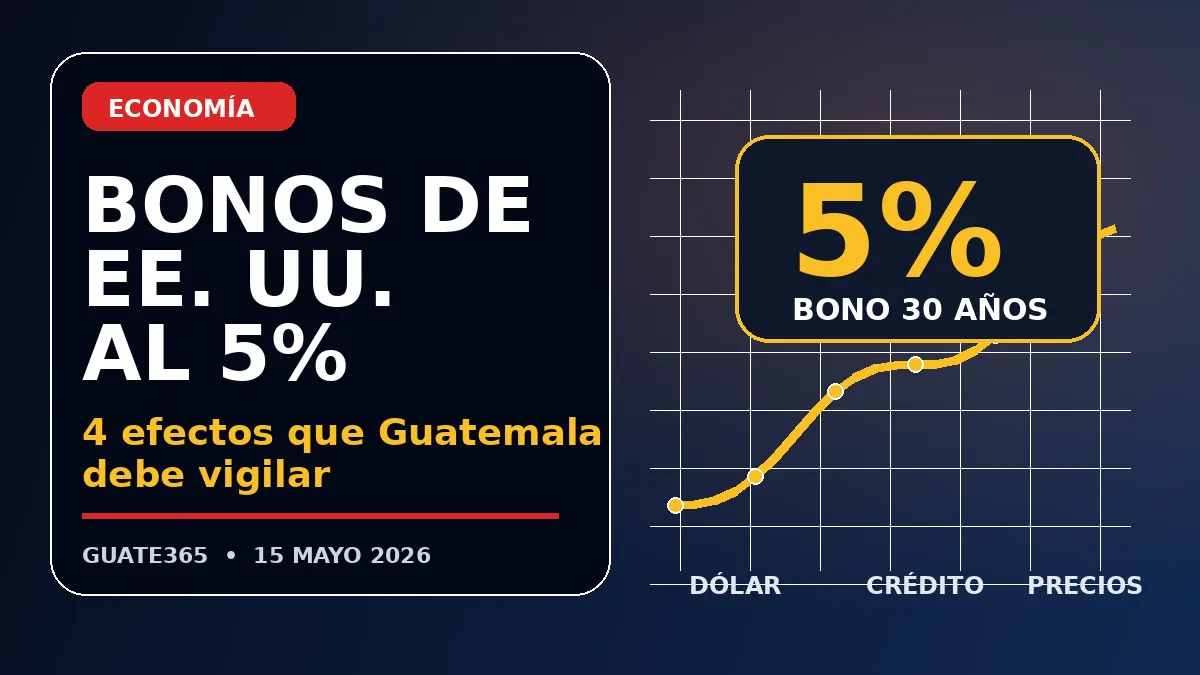
Bonos de EE. UU. al 5%: 4 efectos para Guatemala
La deuda de EE. UU. toca niveles no vistos desde 2007. Qué puede pasar con dólar, crédito, remesas y precios en Guatemala.

Fallo contra Milka por reducir chocolate de 100 a 90 g
Un tribunal alemán consideró engañosa la reducción de barras Milka de 100 a 90 g. La alerta para compradores guatemaltecos.
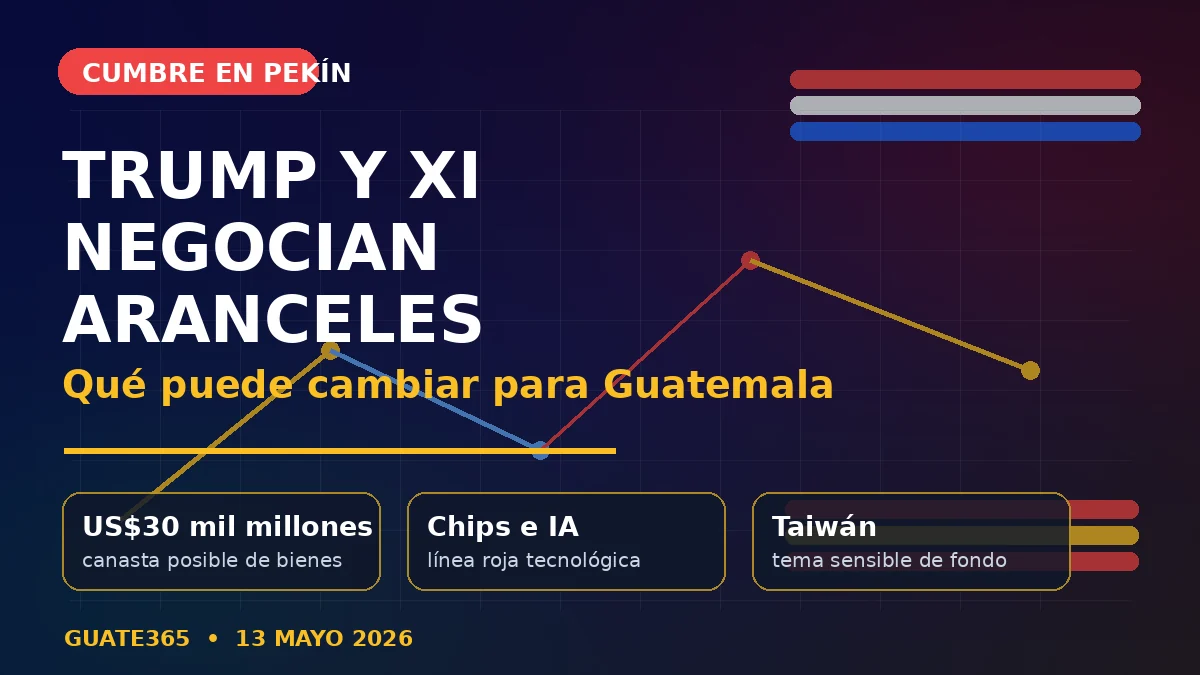
Trump y Xi negocian aranceles: qué cambia para Guatemala
La cumbre Trump-Xi en Pekín pone sobre la mesa aranceles, chips, IA y Taiwán. Así podría sentirse en Guatemala.