Trump Administration Targets “Guilty Media” Through New White House Web Page
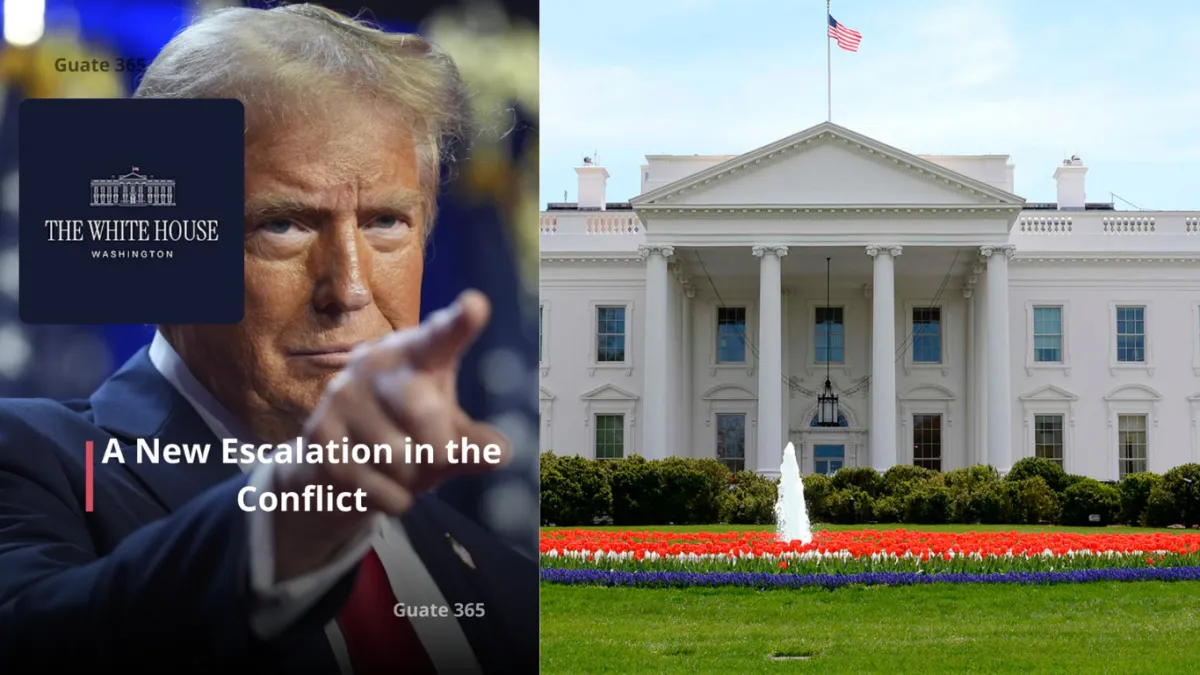
A New Escalation in the Conflict Between the Presidency and the Press
Tensions between former President Donald Trump and major U.S. media outlets have intensified following the launch of a new page on the official White House website titled “Media Offender of the Week.” The page highlights news organizations accused of presenting “misleading” or “biased” coverage of the administration, marking a new phase in the long-running conflict between the presidency and the press.
Among the outlets publicly singled out are The Boston Globe, CBS News, and The Independent. Each is labeled with a banner reading “Misleading. Biased. Exposed.” The administration claims that these organizations have misrepresented Trump’s recent remarks and coverage of congressional debates.
White House Defends Its Position
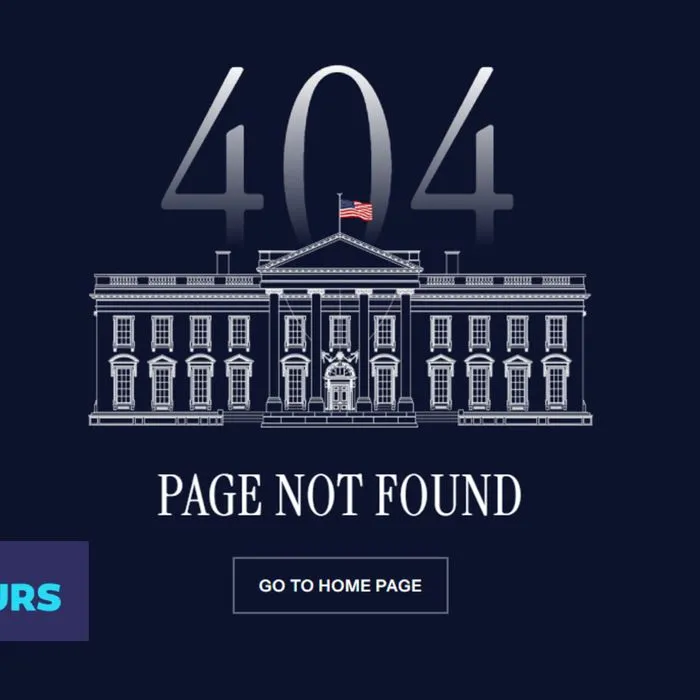
According to the text posted on the new web page, the White House argues that several media outlets distorted Trump’s comments regarding lawmakers who, in his view, encouraged military and intelligence personnel to ignore what he described as unlawful orders. Critics interpreted these statements as a call for execution, prompting intense political controversy.
On November 20, Trump had referenced the possibility of capital punishment for elected officials who encouraged military officers and intelligence agents to refuse certain directives. His opponents accused him of attempting to use federal forces without clear legal grounds in domestic security operations and anti-narcotics actions abroad. In response, six Democratic lawmakers—who previously served in the military or intelligence community—released a video encouraging personnel to reject “illegal orders.”
In reply, Trump posted on his social platform Truth Social: “SEDITIOUS BEHAVIOR, punishable by DEATH!” The statement quickly escalated national debate.
Public Listing of “Seditious” Messages
The newly created White House page features the lawmakers’ video, with the label “seditious” placed over each segment. It also includes an “Offender Hall of Shame,” which lists outlets such as The Washington Post, CBS News, CNN, and MSNBC as repeat offenders. Journalists by name are identified as having “misrepresented” the administration—an approach unprecedented in modern relations between the presidency and the press.
This effort resembles a digital catalogue of accusations, reflecting the administration’s ongoing attempts to delegitimize what Trump has long referred to as the “fake news media.”
Media Push Back
News organizations have strongly rejected the accusations. A spokesperson for The Washington Post, featured prominently on the list, insisted the paper is “proud of its accurate and rigorous journalism,” criticizing the White House for attempting to undermine press freedom.
Analysts note that the publication of such a list raises concerns about government pressure on independent media and the potential chilling effect on reporters covering the administration.
Broader Implications for Democratic Institutions
The confrontation highlights a deeper debate about the role of the press in democratic systems, especially during periods of political polarization. Experts warn that official attempts to publicly shame media outlets risk eroding public trust in journalism and weakening accountability mechanisms essential to democratic governance.
For countries like Guatemala, where media freedom and political pressure remain sensitive issues, the U.S. situation offers insight into the risks posed when political leaders openly target critical reporting.
Do you think public criticism of media institutions by political leaders strengthens transparency, or does it undermine the democratic role of a free press?
Artículos relacionados

Darwin Lom, habilitado para su noche en Libertadores
Canadá evalúa enviar tropas a Groenlandia para ejercicios de la OTAN
Minnesota tras la disparicion de Renee Good: protestas, operativos migratorios y choque político