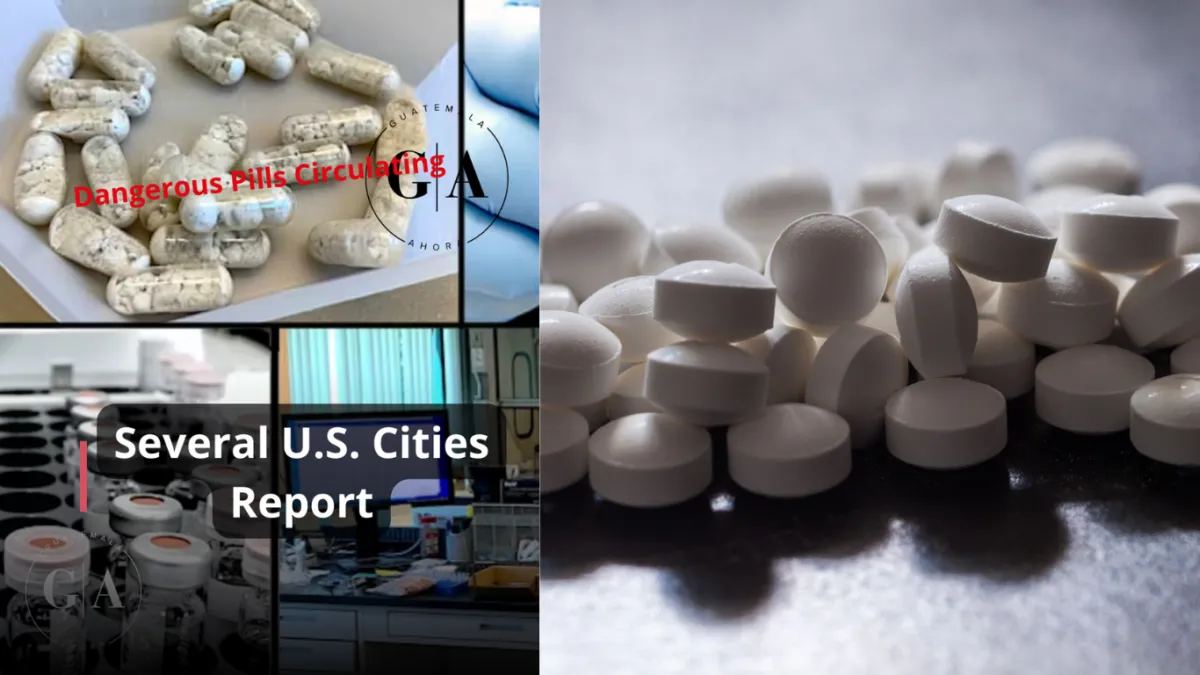
Several U.S. Cities Report Sudden Rise in Poisonings Linked to Counterfeit Medications
Health Officials Warn of Dangerous Pills Circulating in Multiple States
Public health authorities across the United States are reporting a sharp increase in poisoning cases linked to counterfeit medications. Hospitals in several major cities have treated a growing number of patients exposed to pills that were sold as common prescription drugs but contained dangerous or unknown substances.
According to early investigations, many of the counterfeit pills resemble widely used medications for pain relief, anxiety, and sleep disorders. Laboratory tests show that some contain high concentrations of synthetic opioids or chemical compounds not approved for medical use. Officials warn that even small doses of these substances can cause severe reactions, respiratory distress, or death.
Criminal Networks Suspected as Distribution Expands
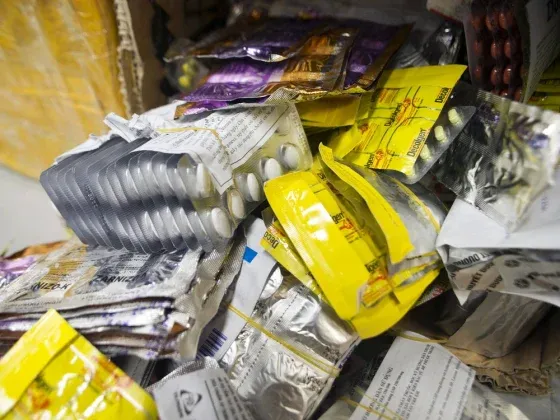
Law enforcement agencies believe the surge in cases may be tied to organized groups producing and distributing fake medications through informal markets, unregulated online sellers, and social media platforms. Federal agents are tracking supply chains and working with local police departments to identify production sites and intercept shipments.
Authorities emphasize that counterfeit drugs often circulate in communities with limited healthcare access, targeting vulnerable groups who may look for cheaper alternatives to prescription medications.
Hospitals Struggle With Rising Emergency Cases
Emergency departments in cities including Los Angeles, Chicago, Houston, and New York have reported clusters of poisoning incidents over the past week. Doctors note that many patients arrive unaware that the pills they consumed were counterfeit, making treatment more complex and time-sensitive.
Health agencies are urging residents to obtain medication only from licensed pharmacies and to avoid purchasing pills from street vendors or social platforms. Public warnings highlight the difficulty of distinguishing genuine medication from high-quality counterfeits.
Broader Implications for Public Safety and Regional Health Systems
The rise in counterfeit medication cases has sparked national concern, with experts calling for stronger oversight of pharmaceutical imports, enhanced border inspections, and more public education campaigns. For Central American countries like Guatemala, similar risks exist due to parallel informal markets and limited regulatory enforcement.
Authorities warn that without coordinated action, counterfeit drugs could continue spreading across North America, posing long-term threats to public health.
Do you think current enforcement and public awareness measures are enough to curb the circulation of counterfeit medications, or are stronger national strategies needed?
Artículos relacionados

Darwin Lom, habilitado para su noche en Libertadores
Canadá evalúa enviar tropas a Groenlandia para ejercicios de la OTAN
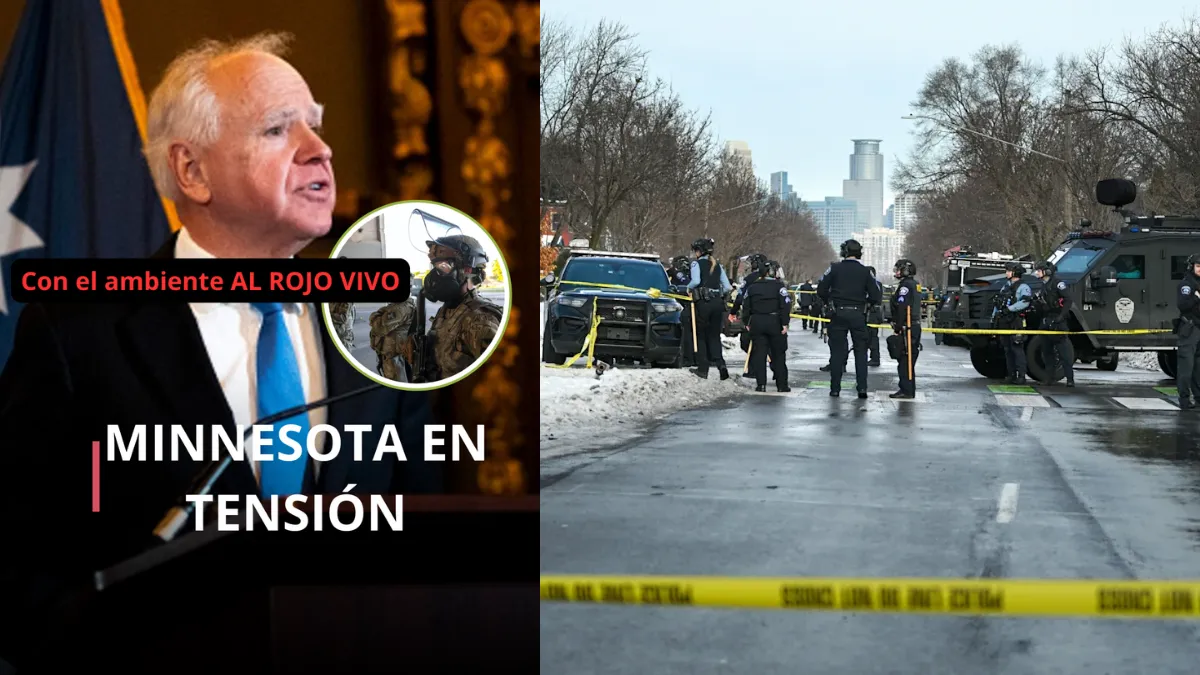
Minnesota tras la disparicion de Renee Good: protestas, operativos migratorios y choque político