
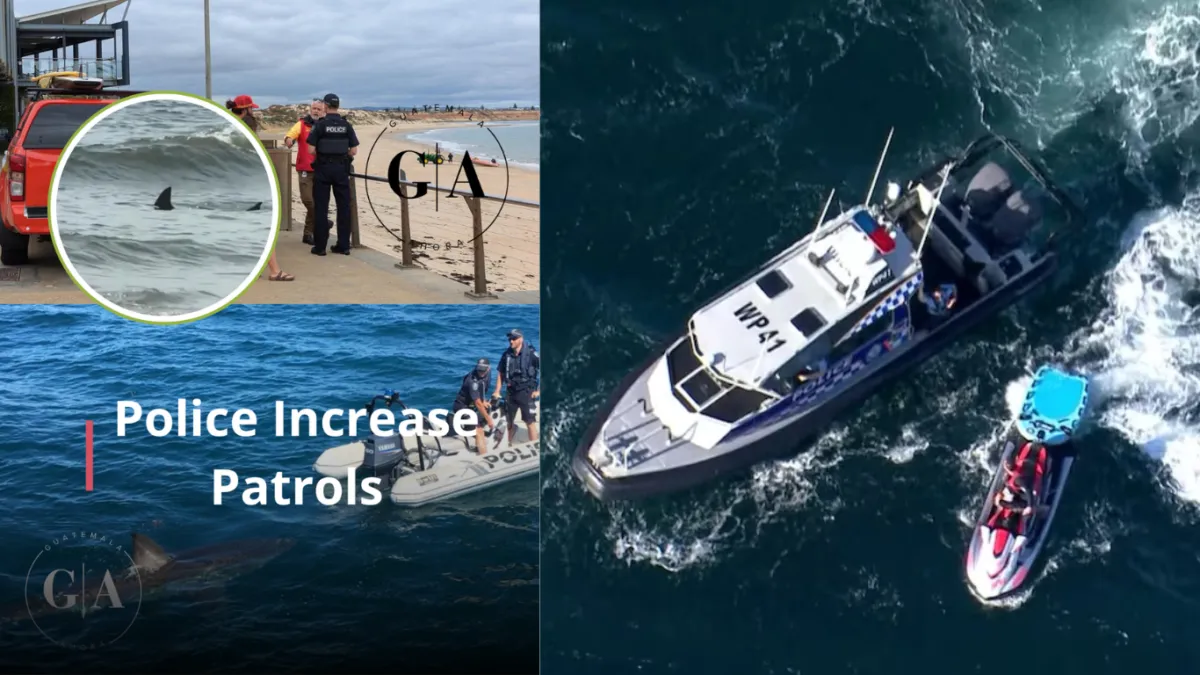
Police Increase Patrols Along Australian Coast After Multiple Shark Sightings
Authorities Heighten Surveillance as Summer Activity Rises
Police and marine safety authorities have intensified patrols along several Australian coastal areas following a series of recent shark sightings that raised concern among beachgoers and local officials. The sightings were reported near popular swimming and surfing beaches, prompting temporary closures and increased monitoring from land, sea, and air.
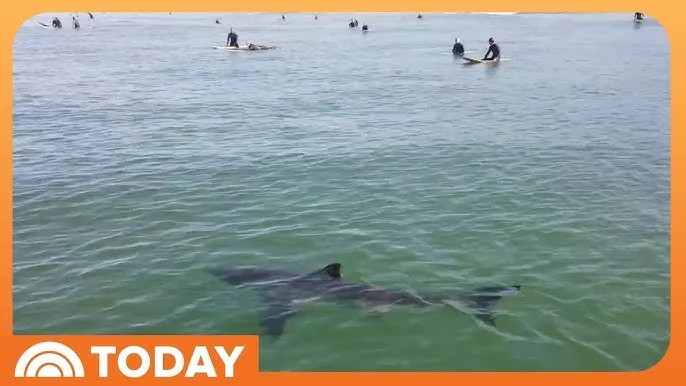
Officials confirmed that most sightings involved large sharks moving close to shore, likely drawn by warmer waters and seasonal fish migrations. While no attacks have been reported, authorities say the proximity to crowded beaches requires heightened vigilance.
Beaches Experience Temporary Restrictions
Lifesaving services have deployed additional jet skis, drones, and observation teams to track shark movements throughout the day. Some beaches imposed brief swimming bans while aerial crews confirmed the animals had moved offshore. Public announcements and warning flags were used to keep visitors informed as conditions changed.
Local councils emphasize that these measures are precautionary. They advise swimmers to stay within patrolled zones, avoid entering the water at dawn or dusk, and report any sightings immediately.
Environmental Factors Contribute to Increased Activity
Marine biologists note that shark presence near coastal areas is common during warmer months. Rising ocean temperatures and shifting baitfish patterns can bring sharks closer to human activity zones. Researchers warn that climate-related changes may increase the frequency of such encounters in the coming years.
Authorities are also monitoring whether industrial fishing, storm patterns, or altered currents have influenced recent behavior.
Balancing Public Safety and Marine Conservation
Officials stress that the goal is not to harm marine wildlife but to manage risks responsibly. Shark control measures now prioritize non-lethal monitoring technologies that protect both swimmers and the ecosystem. Conservation groups support this approach, arguing that coexistence strategies are more effective than outdated culling practices.
For countries like Guatemala, where coastal tourism continues to expand, Australia’s response illustrates how coordinated surveillance and public education can reduce risk without damaging marine biodiversity.
Do you think increased coastal monitoring is enough to ensure safety, or should authorities adopt broader long-term strategies as ocean conditions continue to change?
Artículos relacionados

Darwin Lom, habilitado para su noche en Libertadores

Canadá evalúa enviar tropas a Groenlandia para ejercicios de la OTAN

Minnesota tras la disparicion de Renee Good: protestas, operativos migratorios y choque político