
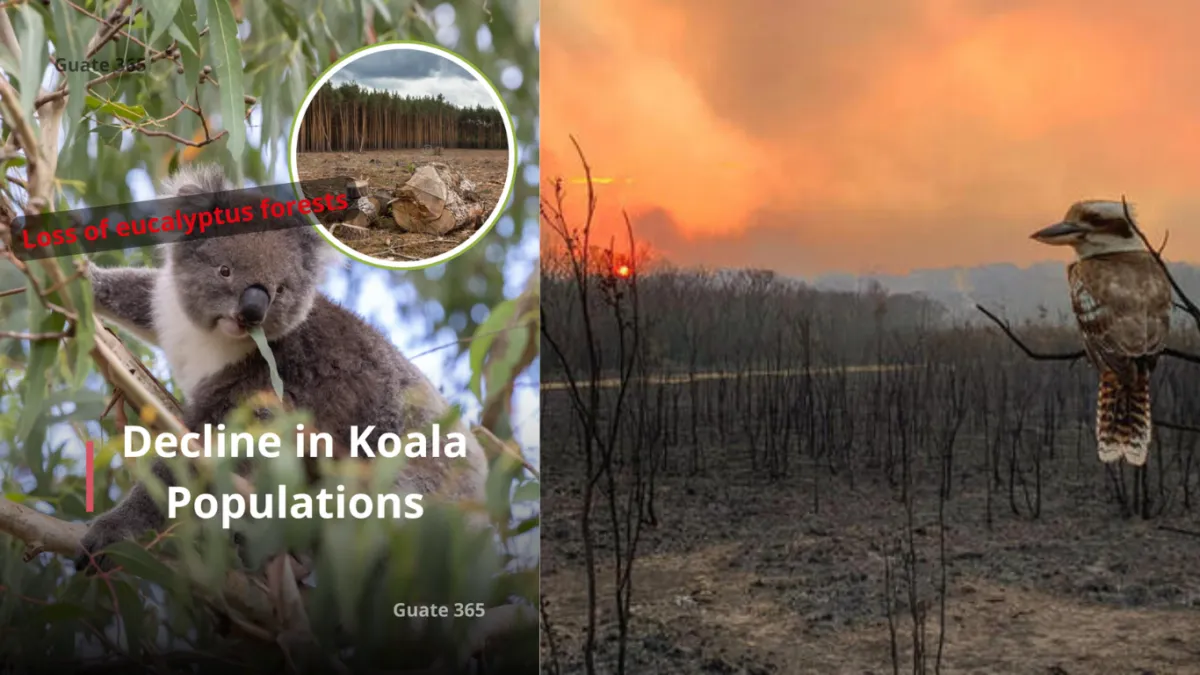
New Report Warns of Sharp Decline in Koala Populations Due to Habitat Destruction
Conservation Groups Raise Alarm Over Rapid Loss of Native Forests
A newly released environmental report warns that koala populations across Australia are experiencing a significant decline, largely driven by widespread habitat destruction. The study, compiled by conservation researchers and land-use experts, indicates that several regions—especially in New South Wales and Queensland—have lost substantial portions of the eucalyptus forests koalas depend on for food and shelter.
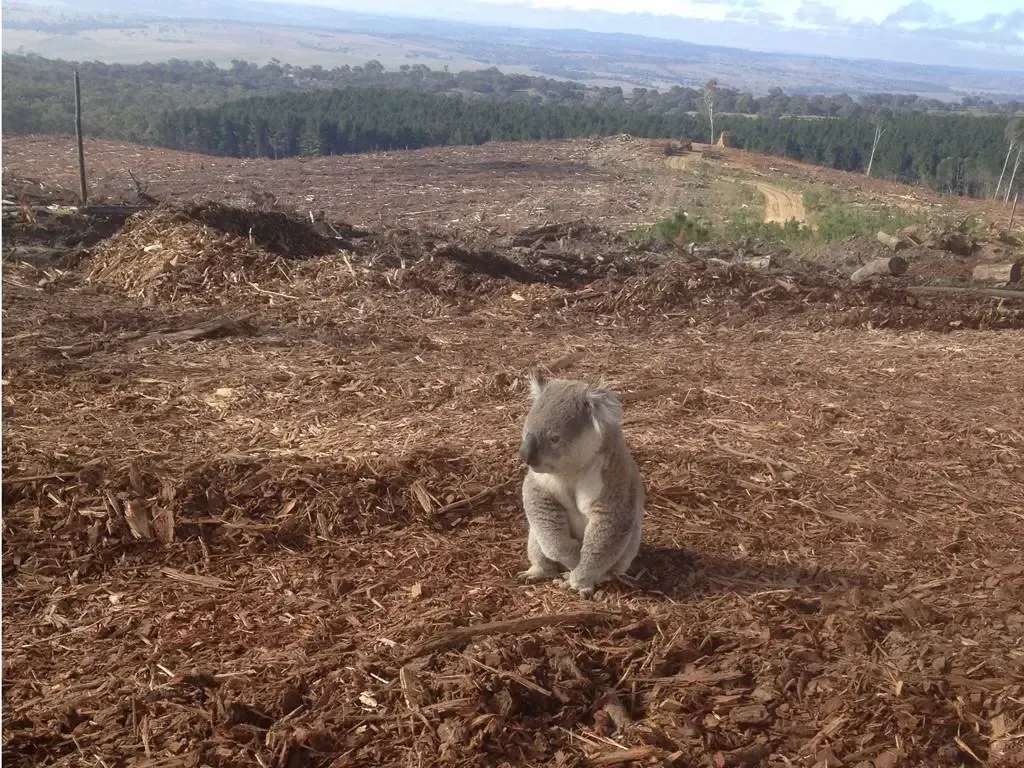
According to the findings, land clearing for agriculture, urban expansion, and infrastructure projects continues to fragment critical habitats, isolating koala groups and reducing their chances of survival. Researchers note that even small disruptions in forest corridors can severely limit access to food sources and breeding areas.
Threats Intensified by Climate and Disease
The report highlights additional pressures worsening the situation. Heatwaves, prolonged droughts, and bushfires—events that have become more frequent in recent years—further weaken koala populations already struggling with shrinking habitats. In some regions, disease outbreaks such as chlamydia have reduced fertility rates and increased mortality among juveniles.
Wildlife specialists warn that without swift intervention, koalas could disappear entirely from several parts of eastern Australia within the next decade.
Government Response Under Scrutiny
Environmental organizations are calling for stricter protections on land clearing and stronger enforcement of conservation laws. They argue that current regulations allow large-scale development projects to proceed despite well-documented impacts on endangered species.
State governments have acknowledged the severity of the issue, with some officials promising to review logging permits and expand protected areas. However, critics say these measures remain insufficient given the speed at which habitats continue to be lost.
Implications for Biodiversity and Global Conservation
The report emphasizes that the decline of koalas—one of Australia’s most recognized species—signals broader ecological stress. Loss of eucalyptus forests affects dozens of native species, many of which rely on the same ecosystems for survival.
For countries like Guatemala, where wildlife preservation faces similar challenges from deforestation and urban expansion, Australia’s situation illustrates the long-term consequences of unchecked habitat loss and insufficient regulation.
Do you think stronger legal protections are the only way to save koala populations, or should Australia focus more on restoration programs and community-led conservation efforts?
Artículos relacionados

Darwin Lom, habilitado para su noche en Libertadores

Canadá evalúa enviar tropas a Groenlandia para ejercicios de la OTAN

Minnesota tras la disparicion de Renee Good: protestas, operativos migratorios y choque político