
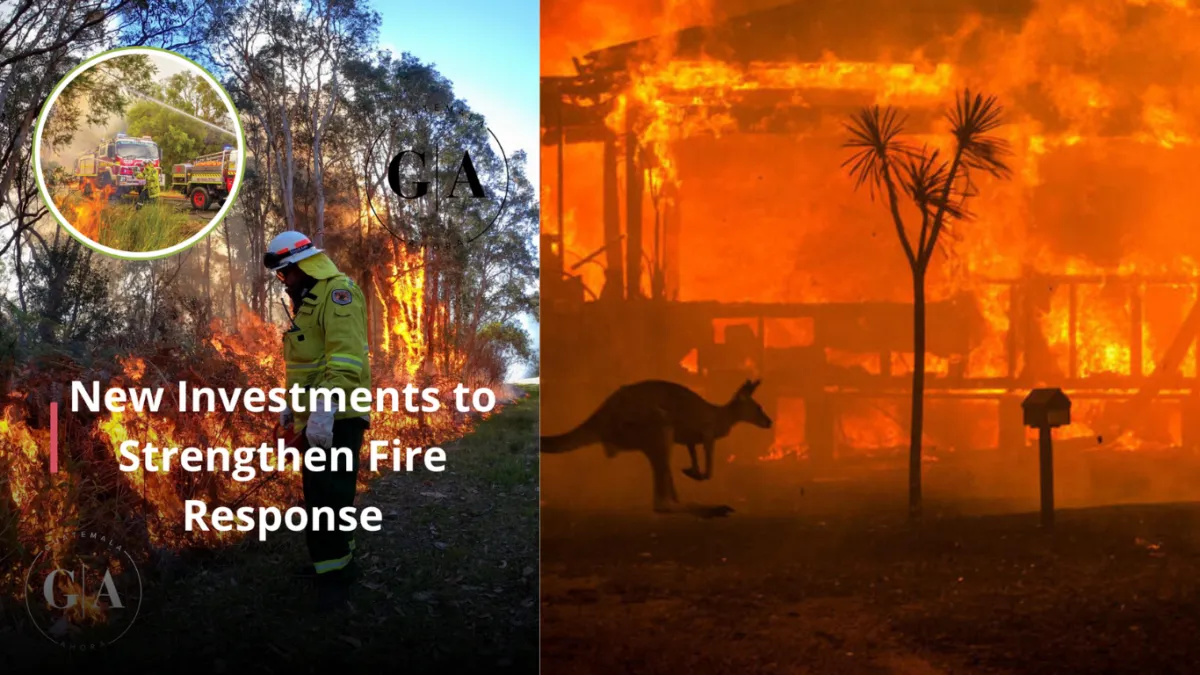
Australian Government Announces New Investments to Strengthen Fire Response Ahead of Peak Season
Nationwide Strategy Focuses on Prevention and Rapid Response
The Australian government has unveiled a new package of investments aimed at improving the country’s ability to prevent and control bushfires ahead of the upcoming peak season. Officials say the initiative responds to growing concerns over hotter, drier conditions that have increased the likelihood of severe fire outbreaks across multiple states.
The plan includes funding for advanced early-warning systems, expanded aerial firefighting fleets, and upgraded equipment for state and local fire services. Authorities emphasize that the goal is to detect threats earlier, respond faster, and reduce the scale of potential damage.
Fire Services See Major Boost in Resources

Emergency agencies will receive additional aircraft, including large air tankers and rapid-deployment helicopters, to support ground crews during critical situations. Firefighters will also gain access to new protective gear, communication tools, and training programs designed to improve coordination during large-scale incidents.
Several regions with recurring fire activity—particularly in Victoria, New South Wales, and Western Australia—will benefit from targeted investments in firebreak construction, hazard-reduction burns, and improved access routes for emergency teams.
Communities Encouraged to Prepare as Conditions Worsen
Meteorologists warn that the combination of above-average temperatures, low rainfall, and strong seasonal winds could create dangerous conditions in the months ahead. Local governments are urging residents to clear vegetation, review evacuation plans, and stay informed about changing fire risks.
Public safety officials note that community preparedness remains essential. Even with new federal funding, individual households play a critical role in reducing ignition risks and ensuring rapid evacuation when necessary.
Broader Implications for Climate Resilience
Environmental analysts say the new investments highlight the need for long-term adaptation strategies, as extreme fire seasons become more common across Australia. The measures may also influence policies in other fire-prone regions around the world.
For Central American countries such as Guatemala—where forest fires have increasingly threatened rural communities—Australia’s approach offers insights into early intervention, resource allocation, and multi-agency coordination.
Do you think Australia’s new investments will be enough to contain future bushfires, or will climate conditions require even more aggressive prevention strategies?
Artículos relacionados

Darwin Lom, habilitado para su noche en Libertadores
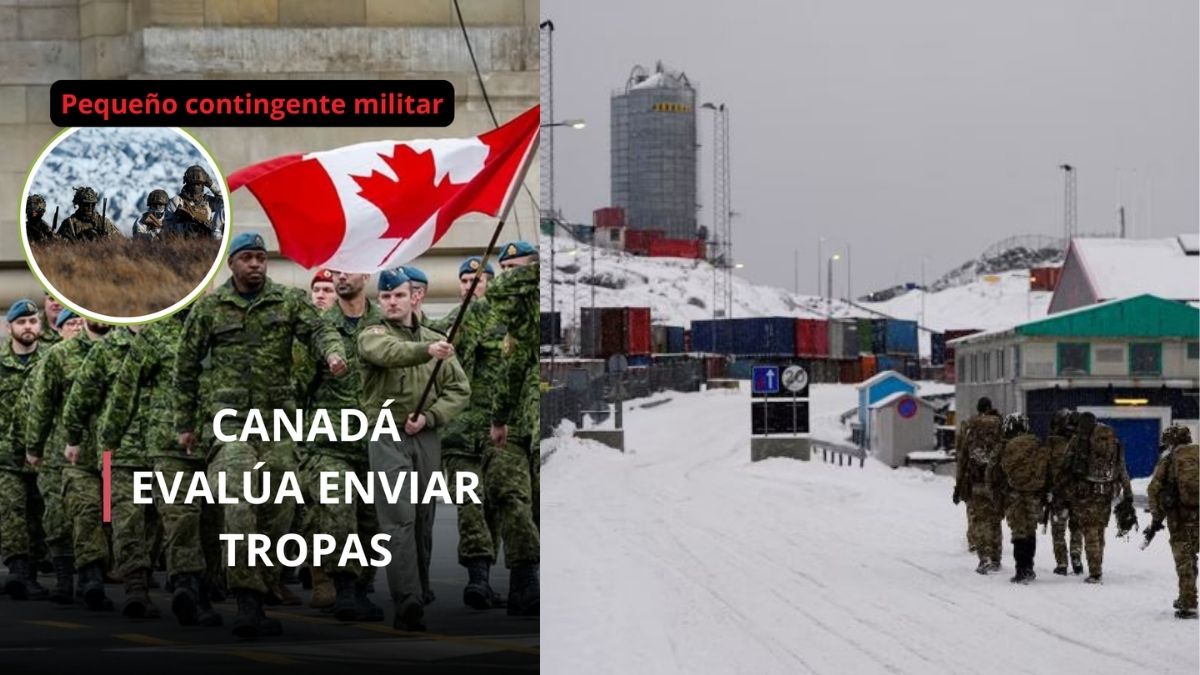
Canadá evalúa enviar tropas a Groenlandia para ejercicios de la OTAN
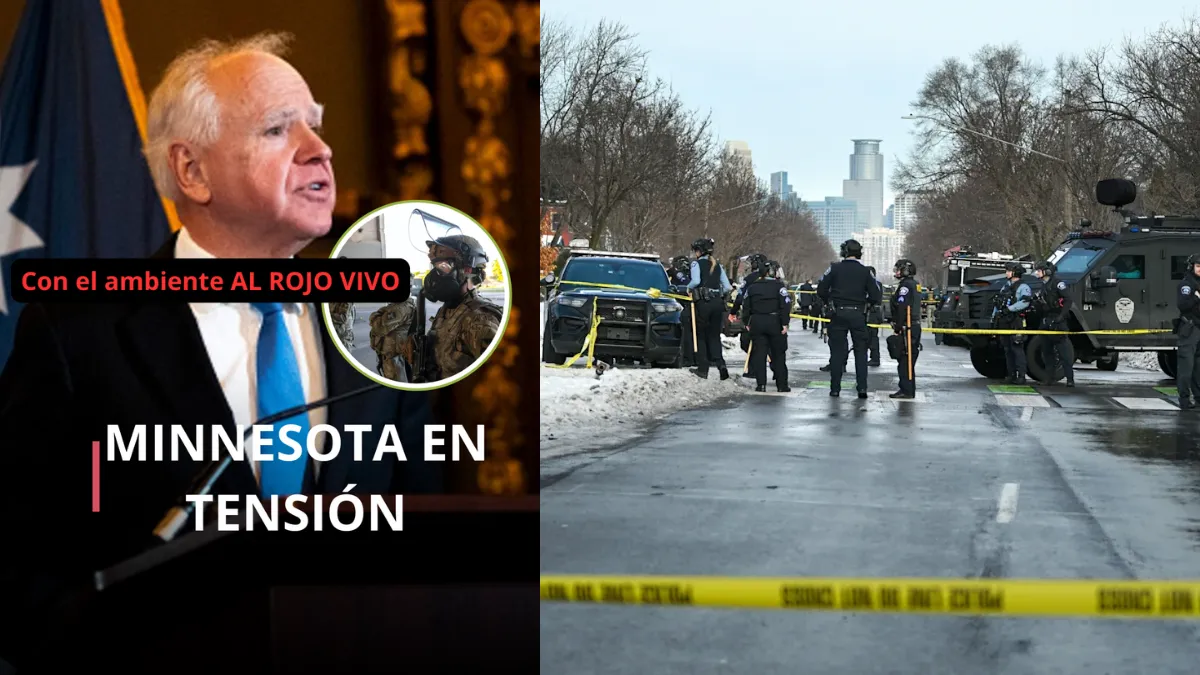
Minnesota tras la disparicion de Renee Good: protestas, operativos migratorios y choque político