
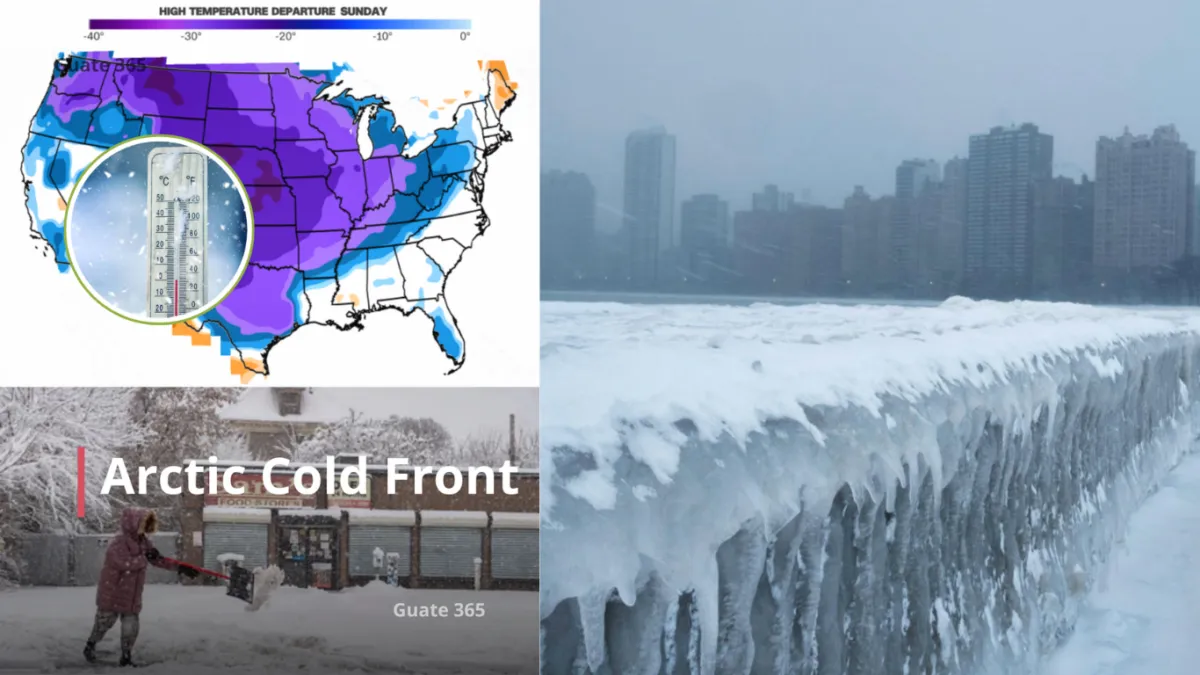
Arctic Cold Front Sweeps Into the United States, Bringing Dangerous Temperatures
Sudden Shift Triggers Weather Alerts Across Multiple States
A powerful Arctic cold front has moved into the United States, sending temperatures plummeting across large portions of the Midwest, Plains, and Northeast. Meteorologists warn that the system could bring some of the lowest temperatures of the season, with wind chills dropping well below freezing in several regions.
Weather agencies have issued winter storm advisories, wind chill warnings, and hazardous travel alerts as the cold front intensifies. Authorities say conditions may worsen in the next 24 to 48 hours as the front pushes deeper into the country.
Communities Brace for Extreme Weather

States including North Dakota, Minnesota, Wisconsin, Colorado, and parts of New York are preparing for dangerously low temperatures. Emergency management offices are urging residents to avoid unnecessary travel, check heating systems, and ensure pets and vulnerable individuals remain indoors.
Road crews have begun treating highways with de-icing materials, while airports in Chicago, Denver, and Detroit are reporting delays due to icy runways and reduced visibility. Utility companies are also monitoring power demand closely, warning that extreme cold can strain electrical grids.
Public Health Concerns Rise
Hospitals across the affected regions are seeing an increase in weather-related injuries, including frostbite, hypothermia, and accidents on icy surfaces. Health officials advise residents to limit exposure outdoors and dress in multiple layers if travel is unavoidable.
Homeless shelters in major cities have expanded capacity to accommodate additional individuals seeking warmth. Outreach teams are conducting welfare checks to reduce the risk of cold-related fatalities.
Impact on Agriculture and Transportation
Farmers are preparing livestock shelters and securing water supplies as temperatures drop rapidly. Transport companies warn that trucking routes may be disrupted due to hazardous conditions, potentially causing delays in supply chains during the peak of winter demand.
Rail systems in the northern states are also on high alert, as extreme cold can cause mechanical failures and track-related issues.
Regional and Global Climate Context
Meteorologists note that the cold front is part of a larger pattern of intense polar air masses moving southward, influenced by shifts in the jet stream. Similar events have become more common in recent years, raising questions about the relationship between climate change and extreme winter variability.
For Central American nations like Guatemala, the event serves as a reminder that shifts in weather patterns in North America can influence trade, migration flows, and fuel prices, especially during periods of volatile climate activity.
Do you think U.S. infrastructure is adequately prepared for increasingly severe winter weather, or will these extreme cold events continue to expose structural weaknesses?
Artículos relacionados

Darwin Lom, habilitado para su noche en Libertadores
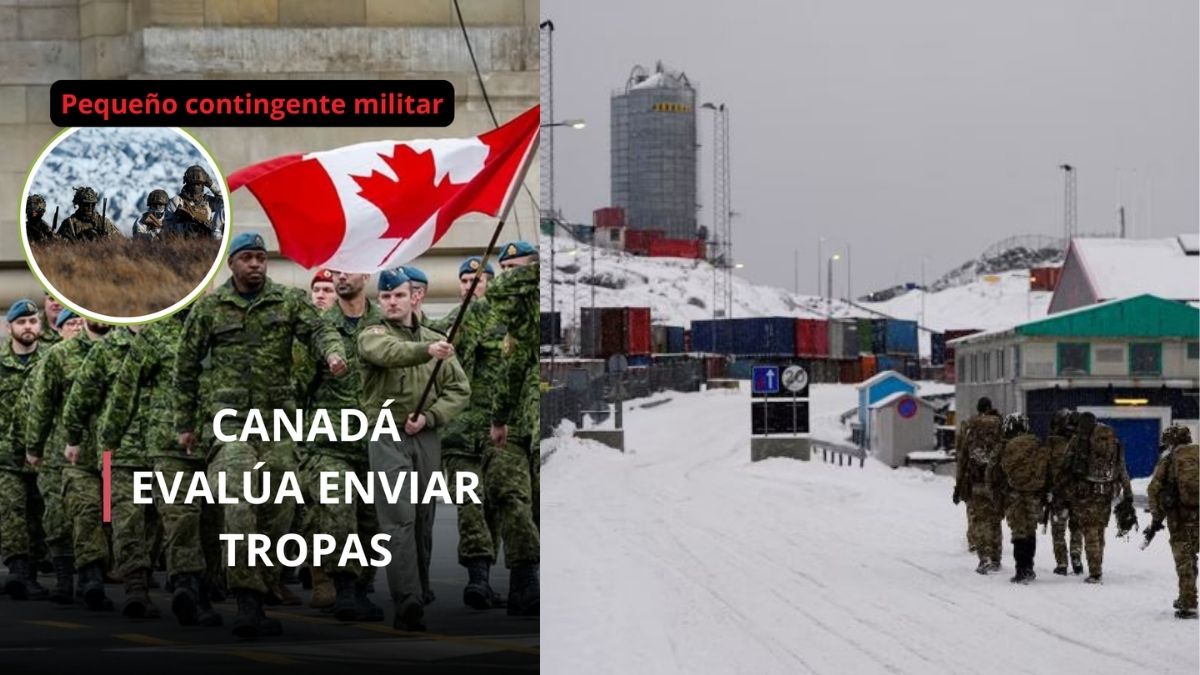
Canadá evalúa enviar tropas a Groenlandia para ejercicios de la OTAN
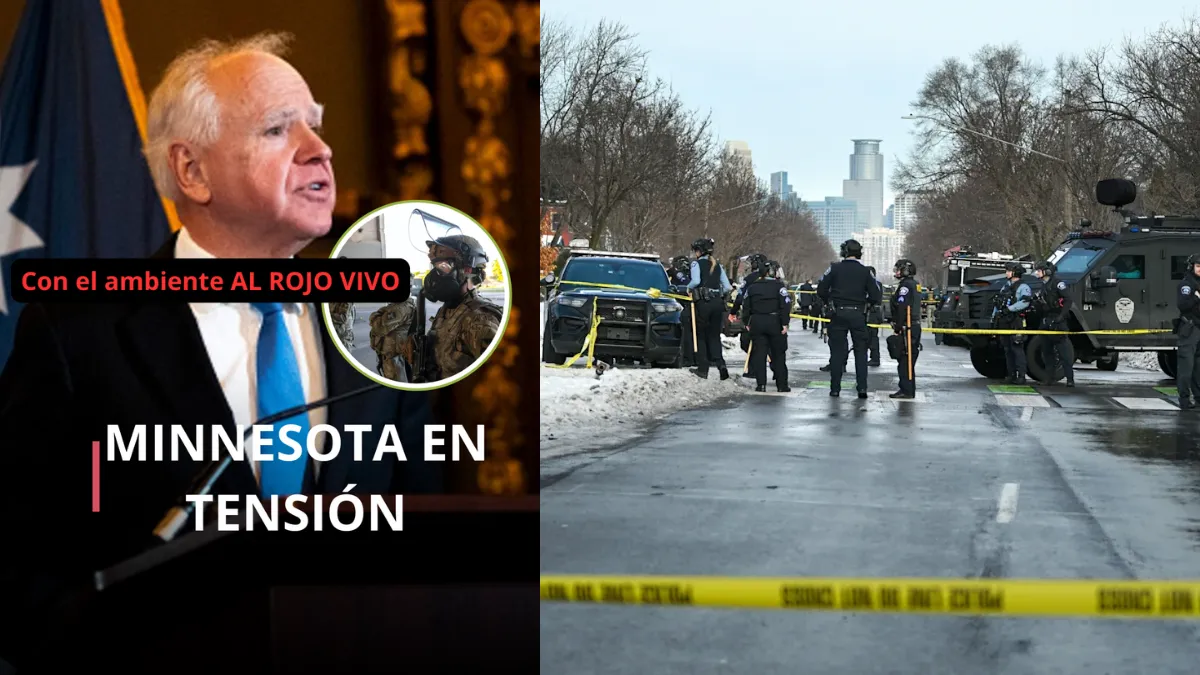
Minnesota tras la disparicion de Renee Good: protestas, operativos migratorios y choque político