
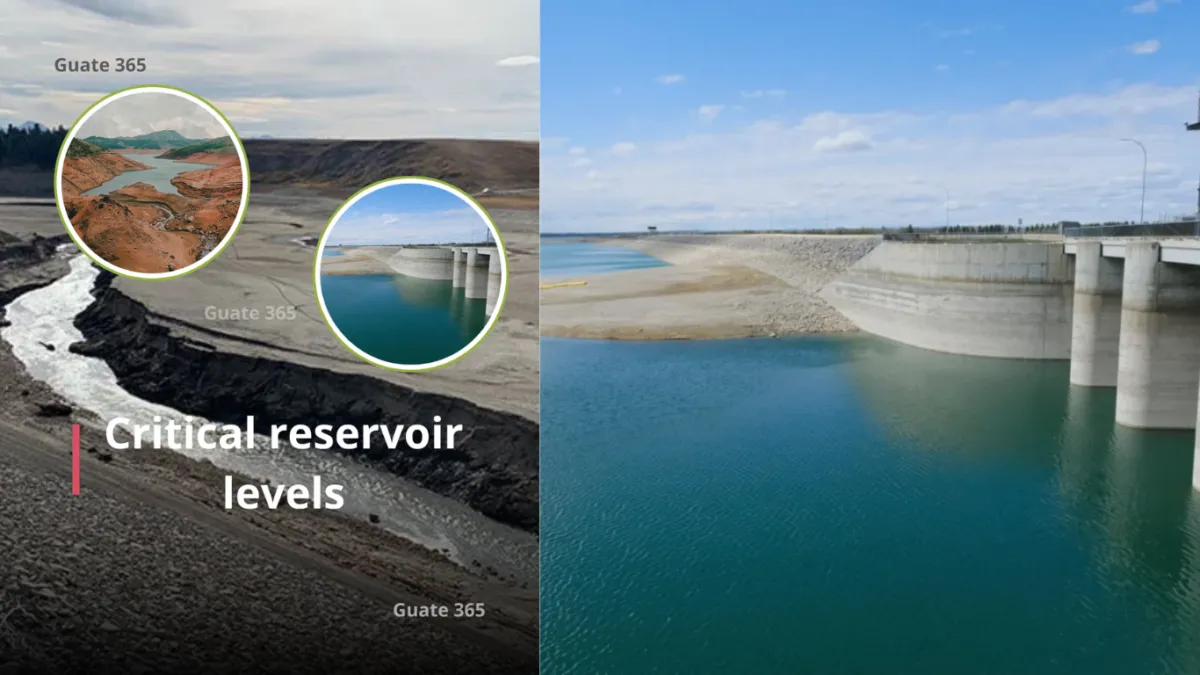
Alberta Introduces Temporary Water Restrictions as Reservoir Levels Reach Critical Lows
Province Responds to Worsening Drought Conditions
The government of Alberta has announced temporary water restrictions across several regions as reservoir levels fall to critical lows. Officials say the measures are necessary to safeguard supplies for households, agriculture, and essential services amid one of the driest periods the province has experienced in recent years.
Meteorologists confirm that below-average rainfall and prolonged warm conditions have accelerated reservoir depletion. Several key water systems are now operating well below seasonal norms, prompting the province to activate its drought-response framework earlier than expected.
New Limits Aim to Protect Essential Supply
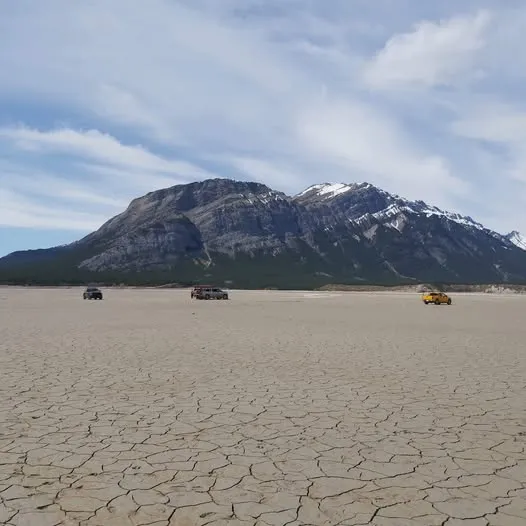
Under the temporary restrictions, residents and businesses in affected zones are required to reduce non-essential water use, including lawn irrigation, vehicle washing, and certain industrial activities. Municipalities are being encouraged to implement local conservation measures and monitor consumption closely in coordination with provincial authorities.
Agricultural sectors may face additional guidelines, with officials warning that voluntary conservation may not be enough if dry conditions persist into the winter and spring seasons. Emergency water transfers are also being evaluated for communities at highest risk.
Environmental and Economic Implications
Environmental analysts warn that low reservoir levels could strain ecosystems dependent on steady water flow, including river habitats and wetlands. Reduced water availability may also impact hydropower generation and increase costs for industries reliant on consistent supply.
Farmers across Alberta report concerns about soil moisture, livestock hydration, and the long-term viability of crops. Some communities have already seen reduced yields tied to the ongoing drought.
Regional Relevance and Broader Climate Context
The situation reflects broader climate patterns affecting western Canada, where recurring drought cycles have become increasingly severe. Experts caution that without long-term adaptation strategies, water shortages may become more common across the Prairies.
For Central American countries like Guatemala, which also face periodic droughts, Alberta’s response highlights the importance of early planning, community-level conservation, and coordinated water management.
Do you think Alberta’s temporary restrictions will be enough to stabilize water supplies, or will the province need stronger long-term solutions to confront recurring drought conditions?
Artículos relacionados

Darwin Lom, habilitado para su noche en Libertadores
Canadá evalúa enviar tropas a Groenlandia para ejercicios de la OTAN
Minnesota tras la disparicion de Renee Good: protestas, operativos migratorios y choque político