
Guatemala's Hidden Gem Destinations: 10 Incredible Places Beyond the Tourist Trail
Guatemala's Hidden Gem Destinations: 10 Incredible Places Beyond the Tourist Trail
Guatemala is a country of staggering diversity, packed into a territory roughly the size of Tennessee. While destinations like Antigua, Lake Atitlán, and Tikal rightfully attract visitors from around the world, the country harbors dozens of equally spectacular places that remain largely undiscovered by international tourism. For adventurous travelers willing to venture beyond the beaten path, these hidden gems offer authentic experiences, unspoiled natural beauty, and the thrill of genuine discovery.
From the misty cloud forests of the Verapaces to the pristine beaches of the Caribbean coast, from ancient Maya cities lost in jungle to volcanic hot springs hidden in mountain valleys, Guatemala's lesser-known destinations reward curious travelers with experiences that are increasingly rare in our well-connected world. This guide introduces ten of the country's most remarkable hidden destinations, providing the inspiration and practical information you need to explore Guatemala's road less traveled.
1. Semuc Champey: The Turquoise Pools of Alta Verapaz
Deep in the lush jungle of Alta Verapaz department, Semuc Champey is a natural wonder that seems almost too beautiful to be real. A 300-meter limestone bridge spans the Cahabón River, and atop this bridge sits a series of stepped, turquoise pools connected by small waterfalls. The effect is like a natural infinity pool system, with each pool flowing into the next against a backdrop of towering tropical forest.
Getting to Semuc Champey requires effort — the nearest town, Lanquín, is a bumpy ride from Cobán, and the final stretch to the pools involves a rough dirt road. But this relative inaccessibility is part of its charm, ensuring that even during peak season the site never feels overcrowded. The journey itself passes through some of Guatemala's most beautiful highland scenery, with cloud forest-covered mountains and traditional Q'eqchi' Maya villages along the way.
Activities at Semuc Champey include swimming in the turquoise pools, hiking to a stunning viewpoint called El Mirador that overlooks the entire formation, exploring the K'anba caves by candlelight, and tubing down the Cahabón River. The nearby town of Lanquín has developed a small but vibrant backpacker scene with comfortable hostels and guesthouses that make a multi-day visit practical and enjoyable.
The best time to visit is during the dry season from November to April, when water levels are lower and the pools are at their most brilliantly turquoise. During the rainy season, the pools can become murky with runoff, though the surrounding jungle is at its most lush and dramatic.
2. Quetzaltenango (Xela): The Cultural Heart of the Western Highlands
Guatemala's second-largest city is surprisingly overlooked by many international visitors, which is a shame because Quetzaltenango — known locally as Xela (pronounced SHAY-la) — offers one of the most authentic urban experiences in the country. Unlike tourist-oriented Antigua, Xela is a working city where indigenous K'iche' Maya culture is not a performance but daily reality.
The city's neoclassical architecture, centered around the impressive Parque Centro América, reflects its history as a prosperous coffee and commerce center. The surrounding highlands are home to some of Guatemala's most traditional indigenous communities, and the market towns of Almolonga, Zunil, and San Francisco el Alto offer vibrant glimpses into highland Maya life that feel untouched by tourism.
Xela is also an excellent base for some of Guatemala's most spectacular hikes. The three-day trek from Xela to Lake Atitlán passes through remote highland villages and cloud forests, and is considered one of Central America's best multi-day hikes. The ascent of Volcán Tajumulco (4,220m), the highest point in Central America, is another popular expedition from Xela. After a day of hiking, the natural hot springs at Fuentes Georginas, tucked into a volcanic valley just outside the city, provide the perfect place to recover.
The city has a well-established language school scene, often recommended as a more authentic alternative to Antigua for Spanish immersion. Homestays with local families are readily available and provide unparalleled cultural immersion opportunities.
3. Livingston and the Garifuna Coast
Accessible only by boat from Puerto Barrios or the Río Dulce, Livingston feels like a different country entirely. This Caribbean town is the cultural capital of Guatemala's Garifuna community, an Afro-indigenous people descended from shipwrecked West African slaves and Carib islanders whose unique culture is recognized by UNESCO as a Masterpiece of the Oral and Intangible Heritage of Humanity.
The atmosphere in Livingston is pure Caribbean — reggae and punta music fill the air, coconut-based cuisine dominates the menus, and the pace of life is refreshingly slow. The town's signature dish, tapado, is a remarkable coconut seafood soup packed with fish, shrimp, crab, and plantains that perfectly encapsulates the fusion of African, Caribbean, and Mesoamerican culinary traditions that characterizes Garifuna culture.
Nearby attractions include the stunning Playa Blanca beach, the Seven Altars waterfalls hidden in the jungle just outside town, and boat trips up the spectacular Río Dulce gorge, where towering limestone cliffs draped in tropical vegetation rise directly from the water. The journey between Livingston and Río Dulce town is one of the most scenic boat rides in Central America.
4. Todos Santos Cuchumatán: Highland Maya Traditions Preserved
Perched at 2,500 meters in the Cuchumatanes mountain range — the highest non-volcanic range in Central America — Todos Santos Cuchumatán is one of Guatemala's most culturally distinctive towns. The Mam Maya inhabitants maintain traditions that have largely disappeared elsewhere, including a unique traditional costume for men that features red-and-white striped trousers, embroidered shirts, and distinctive straw hats.
The town is famous for its annual horse races on November 1st (All Saints' Day), a wild and colorful celebration that combines Maya and Catholic traditions in a spectacle that is equal parts sporting event, religious ceremony, and community celebration. The riders gallop back and forth along a dirt track, and the event is accompanied by marimba music, traditional dancing, and copious consumption of a potent sugarcane liquor called kuxa.
Beyond the festival, Todos Santos offers excellent hiking opportunities in the surrounding Cuchumatanes, including trails that pass through alpine meadows, pine forests, and remote farming communities that feel completely untouched by the modern world. The journey to Todos Santos from Huehuetenango, winding through some of Guatemala's most dramatic mountain scenery, is an adventure in itself.
5. El Mirador: The Lost Mega-City of the Maya
Hidden deep in the Petén jungle near the Mexican border, El Mirador is one of the most significant archaeological sites in the Maya world — and one of the least visited. This ancient city, which flourished from approximately 600 BC to 100 AD, was once one of the largest and most powerful urban centers in the pre-Columbian Americas, with a population estimated at over 100,000.
The site's centerpiece is La Danta pyramid, which at 72 meters tall and with a volume of approximately 2.8 million cubic meters is one of the largest pyramids ever constructed anywhere in the world. The scale of the architecture at El Mirador is almost incomprehensible, particularly when you consider that it was built without metal tools, wheels, or draft animals.
Visiting El Mirador requires a five-day round-trip trek through the jungle from the village of Carmelita, with camping along the way. The journey is physically demanding but extraordinarily rewarding, passing through pristine tropical forest teeming with wildlife including spider monkeys, howler monkeys, toucans, and parrots. Helicopter tours are available as a more comfortable alternative, but the trek is an unforgettable adventure that adds immeasurably to the experience of arriving at this lost city.
6. Cobán and the Cloud Forests of the Verapaces
The twin departments of Alta and Baja Verapaz are home to some of Guatemala's most spectacular natural environments, centered around the charming colonial city of Cobán. The region's cloud forests are among the most biodiverse ecosystems in Central America, harboring an extraordinary array of orchids, ferns, bromeliads, and the iconic resplendent quetzal — Guatemala's national bird and one of the most beautiful creatures on earth.
The Biotopo del Quetzal, a protected reserve on the highway between Guatemala City and Cobán, offers well-maintained trails through pristine cloud forest and is one of the most reliable places in the country to spot the elusive quetzal, particularly during the breeding season from February to April. The Mario Dary Rivera Nature Reserve nearby provides additional opportunities for birdwatching and nature photography.
Cobán itself is a pleasant city known for its coffee culture and its annual National Folklore Festival (Rabin Ajau) in July, which features traditional music, dance, and the crowning of a Maya beauty queen. The city's German colonial heritage, a legacy of 19th-century coffee plantation owners, adds an unexpected cultural layer, with several buildings and businesses reflecting this influence.
7. Monterrico: Black Sand Beaches and Sea Turtles
Guatemala's Pacific coast is often overlooked in favor of the highlands and jungle, but the small beach town of Monterrico offers a compelling reason to include it in your itinerary. Located on a narrow strip of volcanic black sand between the Pacific Ocean and the Chiquimulilla Canal, Monterrico provides a strikingly different environment from Guatemala's other destinations.
The town is best known for its sea turtle conservation efforts. Between June and November, olive ridley and leatherback sea turtles come ashore to lay their eggs on the black sand beaches. Several conservation programs allow visitors to participate in nighttime beach patrols, egg collection, and the unforgettable experience of releasing baby turtles into the ocean. The CECON turtle hatchery in Monterrico is the oldest conservation project of its kind in Guatemala and provides excellent educational opportunities.
The surrounding mangrove wetlands of the Biotopo Monterrico-Hawaii are a paradise for birdwatchers, with boat tours through the canal system revealing herons, egrets, kingfishers, and dozens of other species. The mangroves also support populations of caimans and iguanas, making a canal boat tour a mini wildlife safari.
8. Nebaj and the Ixil Triangle
The remote Ixil Triangle, formed by the towns of Nebaj, Chajul, and San Juan Cotzal in the northern highlands of the Quiché department, is one of Guatemala's most culturally rich and scenically dramatic regions. The Ixil Maya people, who number approximately 100,000, maintain a distinct language, traditional dress, and cultural practices that set them apart even in Guatemala's remarkably diverse indigenous landscape.
Nebaj, the largest of the three towns, serves as the gateway to the region and offers comfortable basic accommodation and hearty highland food. The town's market is a wonderful place to observe Ixil women in their stunning traditional huipiles — red and green garments decorated with elaborate geometric embroidery that can take months to complete.
The hiking in the Ixil Triangle is exceptional, with trails connecting the three towns through mountain valleys and cloud forests that offer some of the most spectacular scenery in Guatemala. The hike from Nebaj to Todos Santos Cuchumatán is a multi-day adventure through remote highland communities that few travelers experience.
9. Lake Izabal and the Río Dulce
Guatemala's largest lake, Lake Izabal, and the river that drains it into the Caribbean Sea, the Río Dulce, form one of the country's most scenic and least-visited regions. The area offers a unique combination of natural beauty, historical interest, and cultural diversity that makes it a fascinating destination for explorers.
The Castillo de San Felipe, a 17th-century Spanish fortress at the point where the river leaves the lake, provides historical context and excellent views. Further downriver, the gorge section of the Río Dulce is one of Guatemala's most breathtaking landscapes, with limestone cliffs towering 100 meters above the narrow waterway, draped in tropical vegetation and echoing with the calls of exotic birds.
The hot springs waterfall at Finca Paraíso, where a warm cascade flows from a cliffside into a cool river pool, is one of Guatemala's most memorable swimming experiences. Lake Izabal itself offers fishing, birdwatching, and the chance to visit the Bocas del Polochic wildlife reserve, an important wetland habitat at the western end of the lake.
10. Yaxhá: Temples Above the Jungle Canopy
While Tikal deservedly attracts the most attention among Guatemala's Maya archaeological sites, the nearby ruins of Yaxhá offer an experience that many visitors find equally impressive and considerably more intimate. Located on the shores of Lake Yaxhá in the Petén department, this ancient city features over 500 structures spread across a ridge overlooking the lake, with several temples rising above the jungle canopy.
The sunset view from the top of Temple 216, the highest structure at Yaxhá, is one of the most spectacular in all of Guatemala. As the sun descends toward the horizon, the jungle stretches endlessly in every direction, with the surface of the lake turning golden below. In the distance, on a clear day, you can see the tops of Tikal's temples rising above the tree line.
Yaxhá receives a fraction of Tikal's visitors, meaning you may have entire plazas and temple complexes to yourself — an increasingly rare experience at major Maya sites. The site is also home to abundant wildlife, and sightings of monkeys, toucans, and ocellated turkeys are common. A visit to Yaxhá can easily be combined with Tikal as a day trip, or you can stay overnight at one of the lodges near the lake for a more immersive experience.
Planning Your Off-the-Beaten-Path Guatemala Adventure
Exploring Guatemala's hidden gems requires a spirit of adventure and a willingness to embrace imperfect infrastructure. Roads may be rough, schedules may be approximate, and accommodations may be basic. But these minor inconveniences are a small price to pay for the extraordinary experiences that await beyond the tourist trail.
A few practical tips for off-the-beaten-path travel in Guatemala: Learn some basic Spanish, as English is rarely spoken in remote areas. Carry cash, as ATMs and card readers may not be available. Pack layers for highland destinations, where temperatures can drop significantly at night. And most importantly, approach every interaction with patience, respect, and genuine curiosity — you will be rewarded with warmth and hospitality that will become the highlight of your trip.
Guatemala's hidden destinations are not hidden because they lack appeal — they are hidden because the country's better-known attractions are so compelling that many visitors never look beyond them. By venturing further afield, you will discover a Guatemala that is even richer, more diverse, and more fascinating than you imagined. Start planning your off-the-beaten-path Guatemalan adventure today, and prepare to be amazed by what this incredible country has to offer.
Artículos relacionados
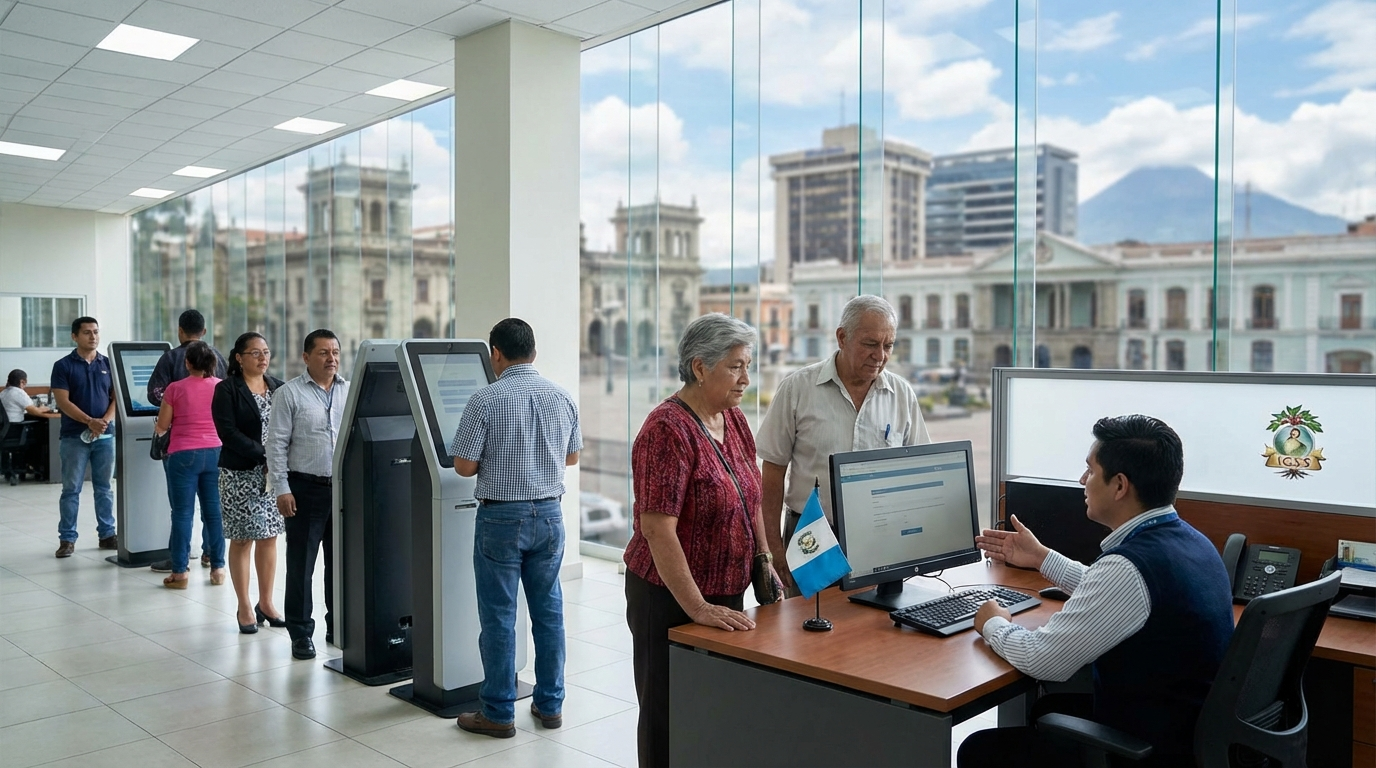
Trámites del IGSS Guatemala 2026: Guía Completa de Pensiones, Prestaciones y Afiliación
Guía actualizada 2026 de trámites IGSS Guatemala: pensión por vejez, subsidios por maternidad e incapacidad, afiliación. Requisitos y pasos.

IGSS vs Seguro Médico Privado Guatemala 2026: ¿Cuál Conviene Más?
Comparativa completa IGSS vs seguro médico privado en Guatemala 2026. Costos, coberturas, ventajas y desventajas. ¿Cuál es mejor para tu familia?
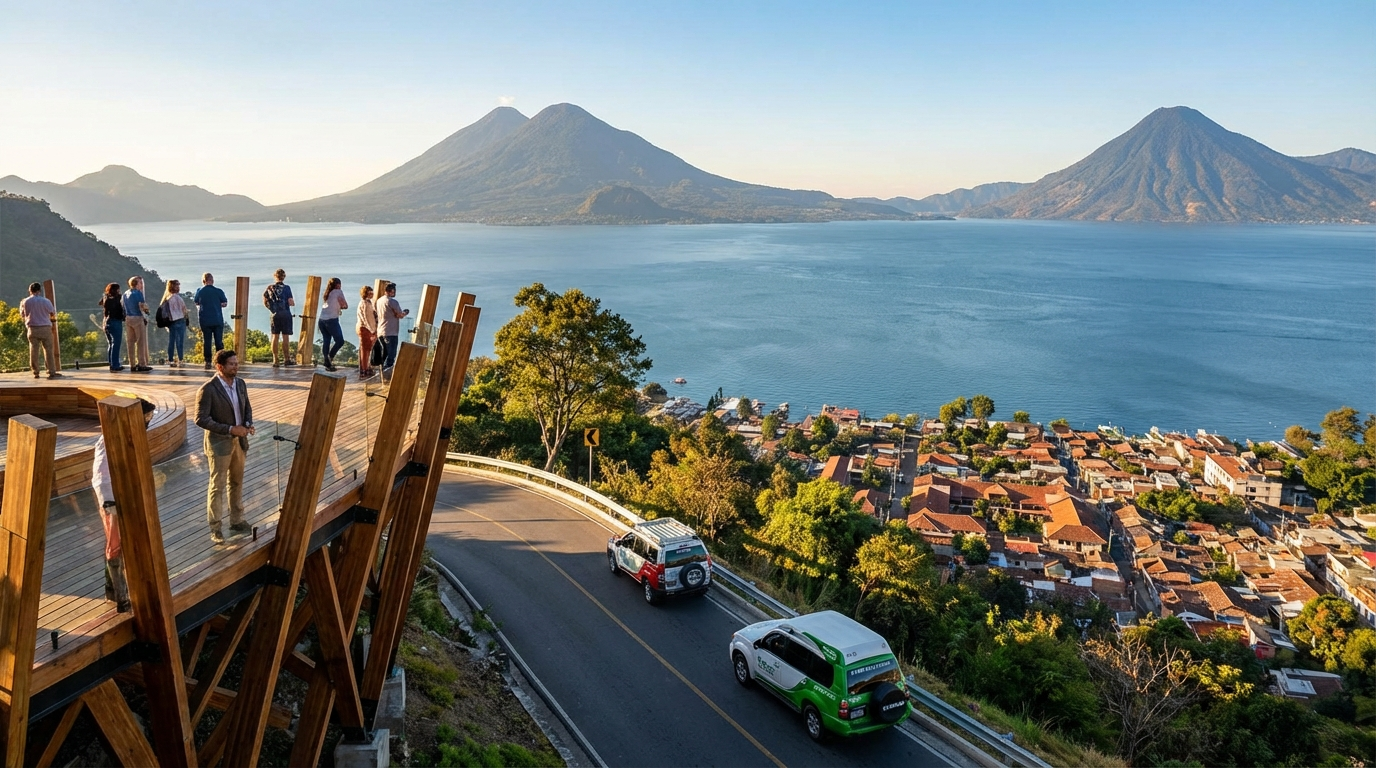
Turismo Guatemala Novedades: Lo Más Reciente para Tu Próxima Aventura
Guatemala, el Corazón del Mundo Maya, se reinventa constantemente para ofrecer a sus visitantes experiencias únicas. Exploramos las últimas novedades en turismo que transformarán tu próxima aventura.

Tráfico Guatemala Hoy: Rutas Alternas y Guía para Navegar la Ciudad
Navegar el tráfico en Guatemala puede ser un desafío diario. Esta guía te ofrece las mejores rutas alternas, herramientas y consejos para optimizar tu tiempo y evitar la congestión.