
A Complete Guide to Guatemala's Coffee Regions: From Bean to Cup
Guatemala: A World-Class Coffee Origin
Guatemala consistently ranks among the worlds top coffee-producing countries, renowned for the complexity, richness, and diversity of its beans. The countrys unique combination of volcanic soil, high altitude, distinct microclimates, and centuries of cultivation expertise produces coffees that are prized by roasters and specialty coffee enthusiasts worldwide.
With eight officially recognized coffee-growing regions, each producing beans with distinctive flavor profiles, Guatemala offers coffee lovers an extraordinary opportunity to explore how terroir — the combination of soil, climate, altitude, and tradition — shapes the character of coffee from farm to cup.
Understanding Guatemalan Coffee Regions
Guatemalas National Coffee Association (Anacafé) has identified eight primary growing regions, each distinguished by unique geographic and climatic characteristics that influence the flavor profile of the coffee produced there. Understanding these regions provides a framework for appreciating the remarkable diversity of Guatemalan coffee.
Antigua Coffee Region
The Antigua Valley, surrounded by three volcanoes — Agua, Fuego, and Acatenango — produces what many consider Guatemalas most prestigious coffees. The rich volcanic soil, combined with altitudes between 1,500 and 1,700 meters, creates ideal growing conditions. Antigua coffees are known for their full body, rich aroma, and a gentle sweetness often accompanied by notes of chocolate and spice.
The regions relatively low humidity and consistent temperatures produce a coffee cherry that matures slowly, developing complex sugars and resulting in a cup that is both elegant and deeply satisfying. Coffee has been cultivated in Antigua since the mid-19th century, and many of the regions fincas (farms) have been family-operated for generations.
Huehuetenango Region
In the remote northwestern highlands, the Huehuetenango region produces some of Guatemalas most distinctive and sought-after coffees. Grown at altitudes reaching 2,000 meters — among the highest in the country — these beans develop exceptional acidity, fruity and wine-like flavors, and a complexity that has made them favorites in specialty coffee competitions worldwide.
The regions isolation has preserved traditional farming methods, with many smallholder farmers cultivating coffee on steep mountain slopes under diverse shade canopy. The combination of altitude, mineral-rich soil, and dry hot winds from Mexicos Tehuantepec plain creates conditions that produce remarkably complex and distinctive coffees.
Atitlán Region
Coffee grown around Lake Atitlán benefits from the rich volcanic soil deposited by the regions three volcanoes and the lakes moderating influence on local climate. Atitlán coffees typically exhibit a full body, bright citric acidity, and distinctive floral and chocolate notes. The regions organic matter-rich soil, composed of decomposed volcanic material, contributes minerals and nutrients that enhance the coffees complexity.
Cobán Region
The cloud forests of Alta Verapaz create a unique microclimate characterized by constant moisture, cool temperatures, and limited direct sunlight. Cobán coffees are grown under dense natural canopy, resulting in a slow maturation process that develops distinct fruity qualities and a lighter, more nuanced body. The regions persistent rainfall and mist create what locals call chipi-chipi — a fine, constant drizzle that defines the landscape and the coffee it produces.
Other Notable Regions
The Fraijanes Plateau, New East (Nuevo Oriente), Rainforest (Selva de las Minas), and Highland Huista regions each contribute their own character to Guatemalas coffee portfolio. Fraijanes benefits from the influence of Pacaya volcano, producing coffees with bright acidity and aromatic complexity. Nuevo Oriente, a relatively recent addition to the specialty coffee map, has gained recognition for balanced cups with stone fruit and chocolate notes.
From Cherry to Cup: The Production Process
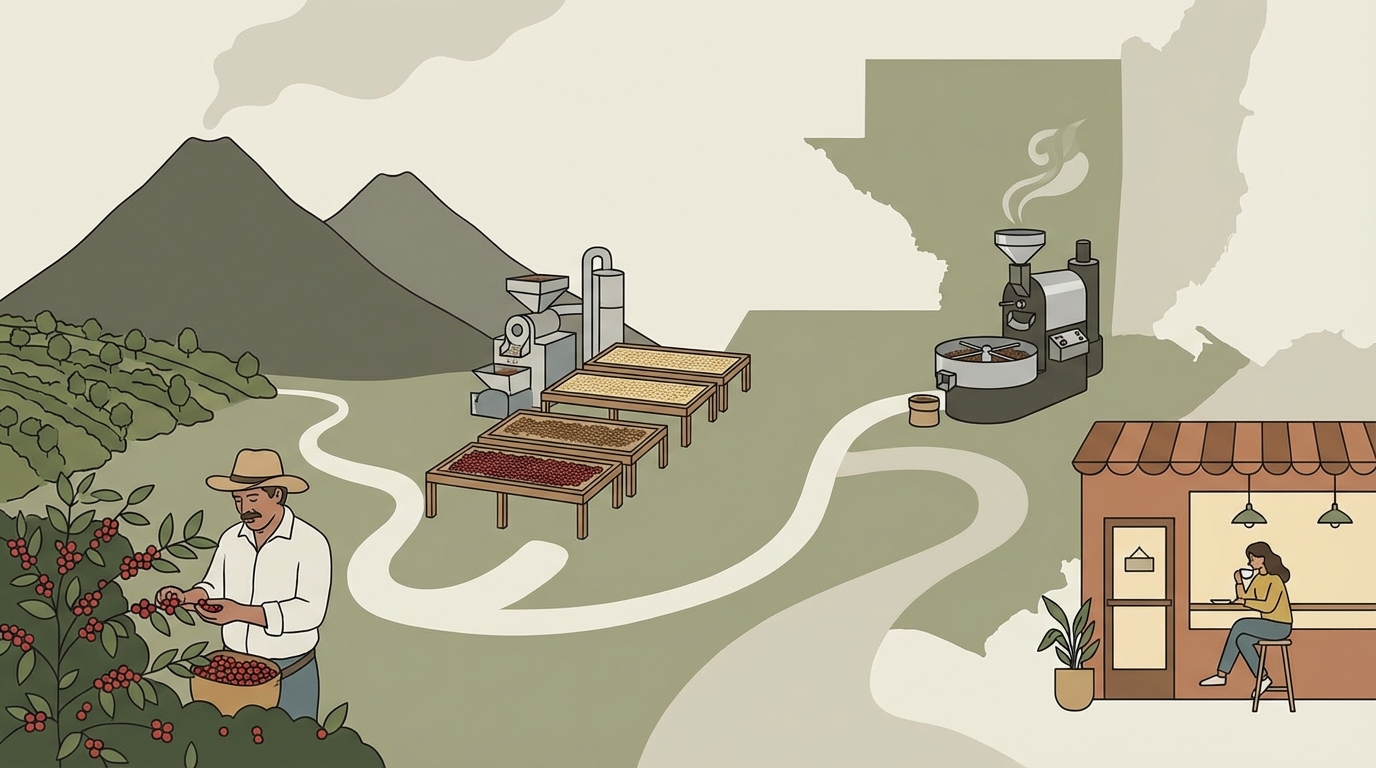
Understanding how coffee is processed transforms a plantation visit from simple tourism into genuine education. Most Guatemalan specialty coffee undergoes washed (wet) processing, which involves removing the fruit from the bean before drying. This method highlights the beans intrinsic flavors and produces the clean, bright cup profiles for which Guatemalan coffee is known.
The process begins with selective harvesting — skilled pickers choose only ripe cherries, often making multiple passes through the same field over several weeks. The cherries are then depulped (the fruit removed), fermented in water tanks for 12 to 36 hours to break down the remaining mucilage, washed clean, and dried either on raised beds (African-style) or traditional patios. Each step requires expertise and careful monitoring to ensure optimal quality.
Some producers have also begun experimenting with natural (dry) and honey (semi-washed) processing methods, which retain more of the fruits sugars during drying and can produce coffees with enhanced sweetness, body, and fruity characteristics. These alternative methods are gaining popularity in specialty markets and represent an exciting evolution in Guatemalan coffee production.
Visiting Coffee Plantations
A growing number of Guatemalan coffee farms welcome visitors for tours that provide insight into every stage of the production process. These experiences range from brief overview tours to multi-day immersions that include cupping sessions, harvesting participation, and detailed exploration of processing methods.
In the Antigua region, several historic fincas offer well-organized tours in English and Spanish. Finca Filadelfia, one of the most established, provides comprehensive tours that cover the entire journey from seed to cup, including their own roasting operation. In Huehuetenango, community-based cooperatives offer more intimate experiences that connect visitors directly with the smallholder farmers who produce some of the worlds most acclaimed specialty coffees.
Lake Atitlán has also become a popular base for coffee tourism, with several plantations on the slopes above the lake offering tours with spectacular views. San Juan La Laguna in particular has developed coffee experiences that combine plantation visits with the villages renowned textile cooperatives and art galleries.
Cupping: Learning to Taste Like a Professional
Cupping — the standardized method used by coffee professionals to evaluate quality and flavor — has become an increasingly popular activity for visitors to Guatemalan coffee regions. Many plantations and specialty roasters now offer cupping sessions where visitors can develop their palate and learn to identify the flavor notes that distinguish different origins and processing methods.
A typical cupping session involves smelling freshly ground coffee, evaluating the aroma after hot water is added, and then tasting the coffee by slurping it from a spoon — a technique that aerates the liquid and spreads it across the palate. Professional cuppers evaluate fragrance, aroma, flavor, aftertaste, acidity, body, uniformity, balance, cleanliness, and sweetness, assigning scores that determine the coffees quality grade and market value.
Sustainability and Fair Trade
Guatemalas coffee industry faces ongoing challenges related to climate change, price volatility, and the economic sustainability of smallholder farming. Many producers have embraced certification programs — including Fair Trade, Rainforest Alliance, and organic certification — as strategies for accessing premium markets and implementing environmentally responsible farming practices.
For travelers, choosing to visit certified farms and purchase directly from producers ensures that more of the coffees value reaches the farming communities. Some cooperatives have developed direct trade relationships with international roasters, cutting out intermediaries and securing better prices for their members. Visitors can support these initiatives by purchasing coffee directly at the farm or through the cooperatives online stores.
Bringing Guatemalan Coffee Home
No visit to Guatemalas coffee regions is complete without bringing some beans home. When purchasing coffee to take home, look for recently roasted beans with a clear roast date — freshness is essential for optimal flavor. Many plantations and specialty shops in Antigua, Guatemala City, and around Lake Atitlán offer freshly roasted single-origin beans that can be vacuum-sealed for travel.
For the best home brewing experience, purchase whole beans rather than pre-ground coffee, and grind just before brewing. A medium roast typically showcases the distinctive characteristics of Guatemalan beans, though personal preference should always guide your choice. Store your beans in an airtight container away from light and heat to preserve freshness.
Conclusion
Guatemalas coffee regions offer travelers an extraordinary journey through one of the worlds most respected coffee origins. From the volcanic slopes of Antigua to the remote highlands of Huehuetenango, each region tells a unique story through its beans — a story of terroir, tradition, and the dedicated farmers who continue to produce exceptional coffee against increasingly complex challenges. Whether youre a casual coffee drinker or a dedicated enthusiast, exploring Guatemalas coffee landscape will transform your understanding and appreciation of every cup.
Artículos relacionados
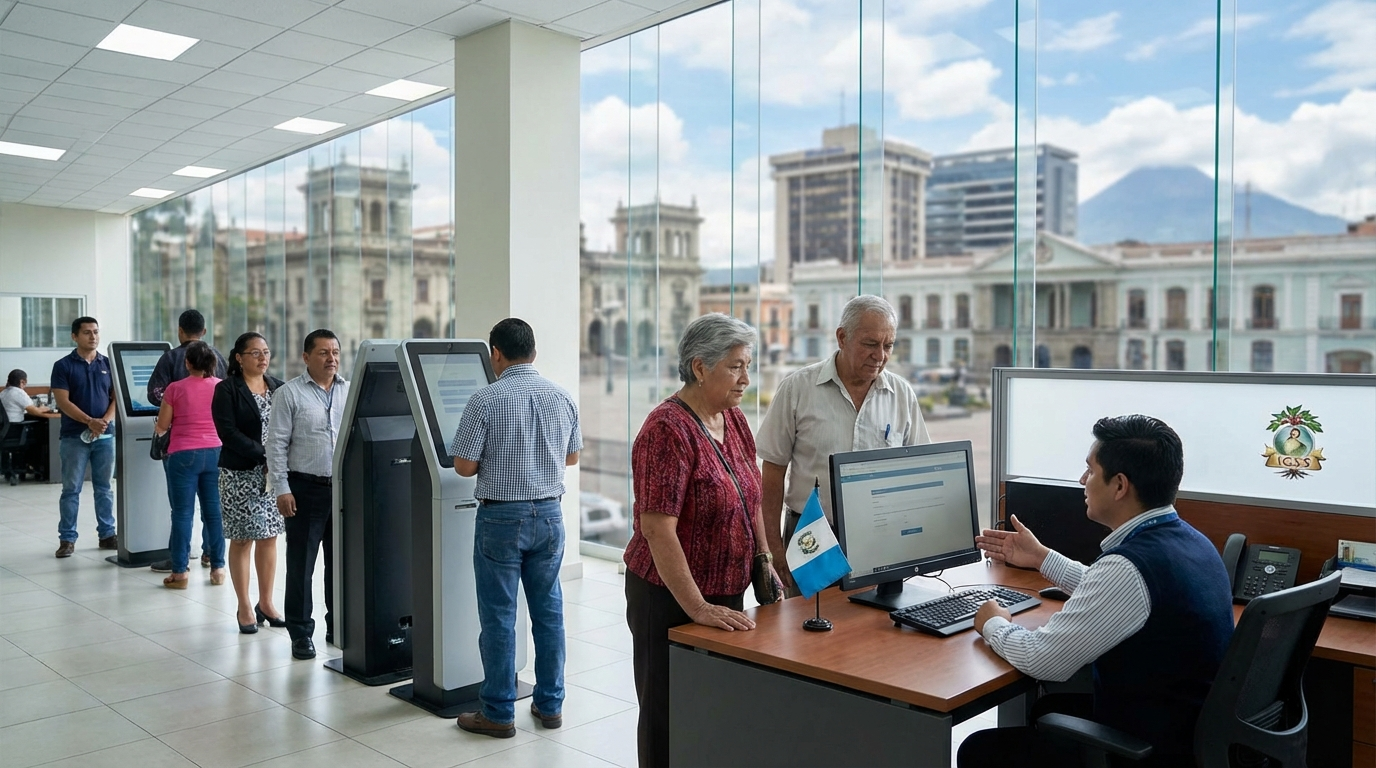
Trámites del IGSS Guatemala 2026: Guía Completa de Pensiones, Prestaciones y Afiliación
Guía actualizada 2026 de trámites IGSS Guatemala: pensión por vejez, subsidios por maternidad e incapacidad, afiliación. Requisitos y pasos.

IGSS vs Seguro Médico Privado Guatemala 2026: ¿Cuál Conviene Más?
Comparativa completa IGSS vs seguro médico privado en Guatemala 2026. Costos, coberturas, ventajas y desventajas. ¿Cuál es mejor para tu familia?
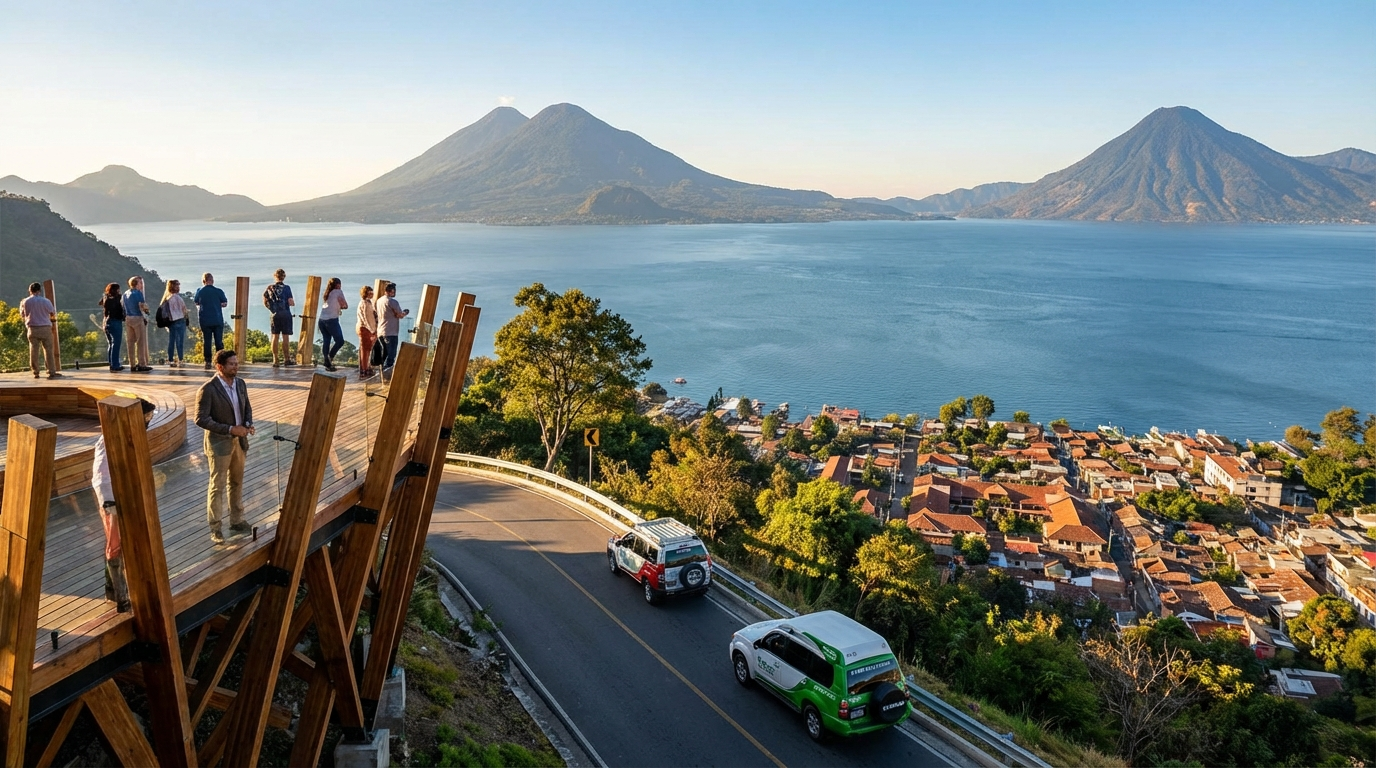
Turismo Guatemala Novedades: Lo Más Reciente para Tu Próxima Aventura
Guatemala, el Corazón del Mundo Maya, se reinventa constantemente para ofrecer a sus visitantes experiencias únicas. Exploramos las últimas novedades en turismo que transformarán tu próxima aventura.

Tráfico Guatemala Hoy: Rutas Alternas y Guía para Navegar la Ciudad
Navegar el tráfico en Guatemala puede ser un desafío diario. Esta guía te ofrece las mejores rutas alternas, herramientas y consejos para optimizar tu tiempo y evitar la congestión.