
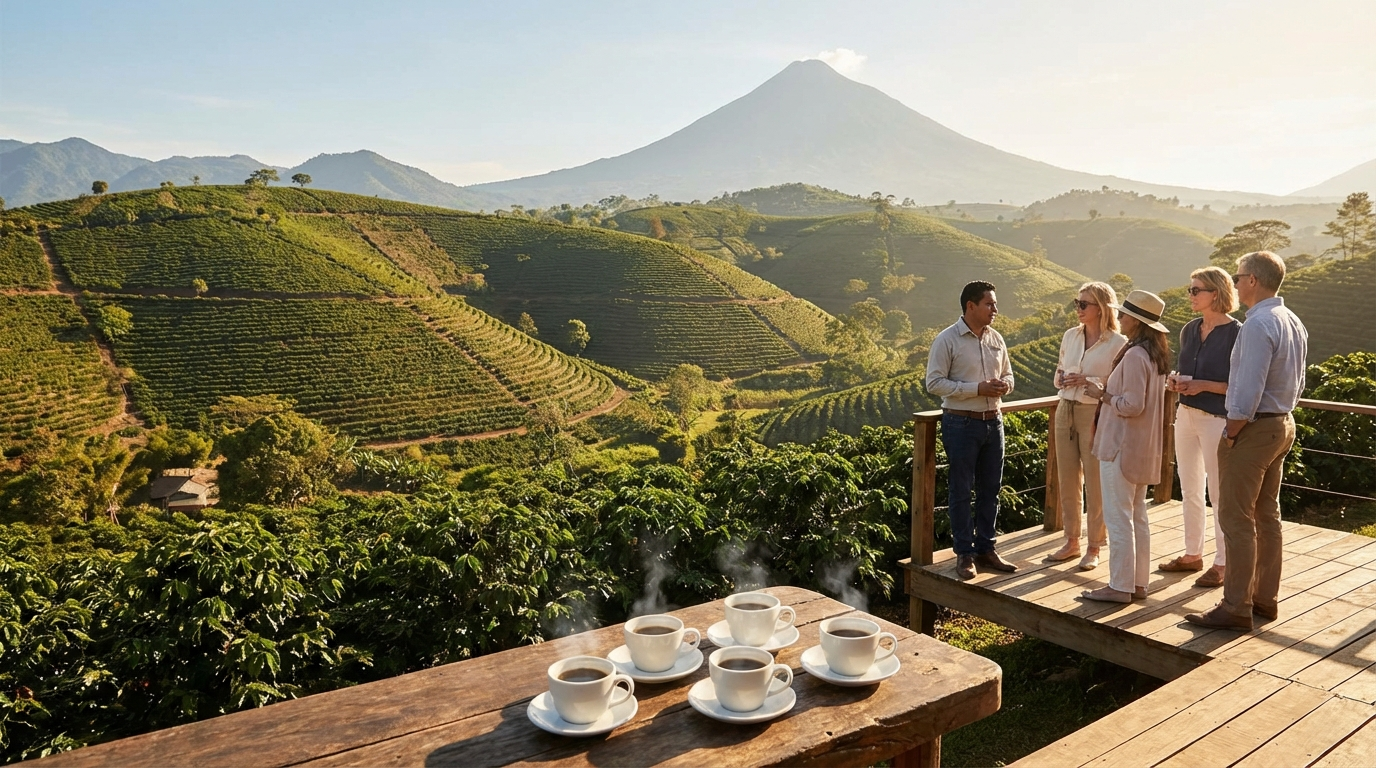
A Complete Guide to Guatemala's Coffee Regions and Farm Tours
Guatemala: A Coffee Lovers Paradise
Guatemala consistently ranks among the worlds top coffee-producing nations, and for good reason. The countrys unique combination of volcanic soil, high altitudes, distinct microclimates, and centuries of cultivation expertise produces coffees with remarkable complexity and character. For coffee enthusiasts, visiting Guatemalas coffee regions offers an unparalleled opportunity to trace the journey from seed to cup while experiencing the stunning landscapes and rich cultures that shape each beans unique profile.
Understanding Guatemalas Coffee Regions
Guatemala officially recognizes eight distinct coffee-growing regions, each producing beans with characteristic flavor profiles influenced by altitude, rainfall, soil composition, and processing methods. Understanding these regions will help you plan a coffee tour that matches your palate preferences and travel interests.
Antigua Coffee Region
Perhaps the most famous of Guatemalas coffee regions, Antigua benefits from its location in a valley surrounded by three volcanoes: Agua, Fuego, and Acatenango. The volcanic soil, combined with altitudes between 1,500 and 1,700 meters, produces beans known for their full body, rich chocolate notes, and subtle spicy undertones. The regions proximity to the colonial city of Antigua Guatemala makes it the most accessible coffee region for visitors.
Several historic fincas (farms) in the Antigua region offer tours that range from quick one-hour overviews to immersive multi-day experiences. Finca Filadelfia, one of the most established tour operations, provides comprehensive tours that cover the entire coffee production process from nursery to cupping. For a more intimate experience, smaller family-run farms like Finca La Azotea combine coffee tours with exhibits on traditional Maya culture and music.
Huehuetenango Region
The Huehuetenango region, located in Guatemalas western highlands near the Mexican border, produces some of the countrys most prized specialty coffees. Growing at altitudes up to 2,000 meters — among the highest in Guatemala — Huehuetenango coffees are known for their bright acidity, fruity notes (often described as wine-like), and floral aromas. The remote location and challenging terrain mean that many farms here are small, family-operated parcels that have been cultivated for generations.
Visiting Huehuetenango requires more effort than Antigua but rewards adventurous coffee lovers with authentic experiences in indigenous Mam and Popti Maya communities. Community-based tourism cooperatives in towns like Todos Santos Cuchumatan and San Pedro Necta offer homestay experiences where visitors participate in daily coffee cultivation activities alongside local families. The regions dramatic mountain scenery, including the Cuchumatanes range, adds spectacular natural beauty to the coffee experience.
Coban and Alta Verapaz Region
The cloud forests of Alta Verapaz create unique growing conditions characterized by consistent moisture, cool temperatures, and filtered sunlight. Coban coffees tend to have a distinctive fruity quality with pronounced acidity and a lighter body than Antigua coffees. The region is also notable for its cardamom production — Guatemala is the worlds largest exporter — and many farms grow both crops in complementary shade systems.
Coffee tours in the Coban region often combine with visits to natural attractions like Semuc Champey and the Lanquin caves. The Finca Chimelb and Finca Santa Margarita offer tours that explain how cloud forest ecology influences coffee quality. The QeqChi Maya culture of the region adds another dimension to the visit, with traditional chocolate-making demonstrations often included in tour itineraries.
Atitlan Region
The shores of Lake Atitlan produce coffees that benefit from the lakes moderating influence on temperature and humidity. Growing at altitudes between 1,500 and 1,700 meters on volcanic slopes, Atitlan coffees are characterized by a full body, nutty flavors, and a distinctive chocolate finish. The regions indigenous TzUtujil and Kaqchikel Maya communities have cultivated coffee for generations, often using traditional organic methods.
Coffee tours around Lake Atitlan offer the added bonus of the lakes extraordinary beauty. Cooperatives like La Voz que Clama en el Desierto in San Juan La Laguna combine coffee tours with visits to textile cooperatives and traditional painting workshops. The boat rides between lakeside villages add a scenic dimension to coffee exploration that no other region can match.
Other Notable Regions
Guatemalas remaining official coffee regions — Fraijanes, San Marcos, Nuevo Oriente, and Acatenango — each offer distinct experiences. Fraijanes, near Guatemala City, provides the most accessible specialty coffee experience for short-stay visitors. San Marcos, on the Pacific slope, produces coffees with notably high acidity. Nuevo Oriente, in the east, is emerging as a source of excellent micro-lots. The Acatenango region benefits from active volcanic soil that imparts unique mineral qualities to its beans.
Types of Coffee Farm Tours
Quick Tours (1-2 Hours)
Ideal for visitors with limited time, these tours typically cover the basics of coffee cultivation, processing, and roasting, concluding with a cupping session. Available at larger commercial fincas near Antigua and Guatemala City, they provide a solid introduction without requiring significant travel. Expect to pay between Q100-200 (approximately $13-26 USD) per person.
Half-Day Experiences (4-5 Hours)
These more comprehensive tours allow time for walking through coffee plantations at different stages of growth, observing wet and dry processing methods, watching roasting demonstrations, and participating in guided cuppings that teach you to identify flavor notes. Many include lunch featuring farm-grown ingredients. Available in most coffee regions, particularly Antigua, Atitlan, and Coban.
Multi-Day Immersions (2-5 Days)
For serious coffee enthusiasts, multi-day immersions offer the deepest understanding of Guatemalan coffee culture. These experiences typically include stays at or near coffee farms, participation in actual farming activities (during harvest season, you can pick coffee cherries alongside workers), detailed processing workshops, roasting classes, and advanced cupping sessions. The best multi-day experiences are found in Huehuetenango and Alta Verapaz, where community-based tourism programs offer authentic homestay options.
Coffee Harvest Season
Guatemalas main coffee harvest runs from November through March, with peak picking typically occurring in January and February. Visiting during harvest season provides the most complete experience, as you can observe (and participate in) every stage from cherry picking to final processing. However, coffee farms are interesting year-round, as different stages of the growing cycle are visible in each season.
During harvest, many farms hire thousands of seasonal workers who travel from across Guatemala to pick the ripe cherries. This annual migration is a significant cultural event, and witnessing it provides insight into the labor dynamics that underpin the global coffee industry. Ethical farms provide good working conditions and fair wages, and touring these operations helps support responsible practices.
Coffee Cupping: Learning to Taste
No coffee farm tour is complete without a cupping session — the professional method of evaluating coffee quality. During a cupping, you learn to assess fragrance, aroma, flavor, aftertaste, acidity, body, balance, and overall quality using standardized procedures developed by the Specialty Coffee Association.
Guatemalas specialty coffee industry has produced world-class cuppers and Q-graders (certified coffee quality evaluators), and many farm tours are led by these experts. Learning to cup properly transforms your understanding of coffee and will forever change how you appreciate your morning brew. Many visitors report that the cupping portion of their farm tour was the most eye-opening experience of their entire Guatemala trip.
Buying and Bringing Home Guatemalan Coffee
Purchasing coffee directly from farms ensures maximum freshness and supports producers directly. Most farm tours include the opportunity to buy freshly roasted beans, often at prices significantly below what youd pay for equivalent quality in specialty shops abroad. Look for beans with specific farm, region, and processing information — these details indicate specialty-grade quality.
When packing coffee for your return journey, keep beans in their original sealed packaging if possible. Whole beans retain their freshness longer than pre-ground coffee. Most customs authorities allow personal quantities of roasted coffee beans without restriction, but check your home countrys specific import regulations before purchasing large quantities.
Planning Your Coffee Tour
A well-planned Guatemalan coffee tour can be a standalone trip or an enriching addition to a broader Guatemala itinerary. For a comprehensive coffee-focused trip, plan at least one week to visit two or three distinct regions. Combine Antigua (accessible, historic) with either Huehuetenango (remote, indigenous culture) or Atitlan (scenic, lakeside) for contrasting experiences.
Book farm tours in advance when possible, especially during harvest season when popular farms fill up quickly. Consider hiring a knowledgeable coffee-focused guide who can provide context and facilitate interactions with farmers. Several Guatemala City-based tour operators specialize in coffee tourism and can arrange comprehensive multi-region itineraries.
Whether you are a casual coffee drinker curious about where your morning cup originates or a dedicated enthusiast seeking to deepen your understanding of specialty coffee, Guatemalas coffee regions offer experiences that are educational, delicious, and deeply connected to the landscapes and cultures that make this country extraordinary.
Artículos relacionados
Trámites del IGSS Guatemala 2026: Guía Completa de Pensiones, Prestaciones y Afiliación
Guía actualizada 2026 de trámites IGSS Guatemala: pensión por vejez, subsidios por maternidad e incapacidad, afiliación. Requisitos y pasos.

IGSS vs Seguro Médico Privado Guatemala 2026: ¿Cuál Conviene Más?
Comparativa completa IGSS vs seguro médico privado en Guatemala 2026. Costos, coberturas, ventajas y desventajas. ¿Cuál es mejor para tu familia?
Turismo Guatemala Novedades: Lo Más Reciente para Tu Próxima Aventura
Guatemala, el Corazón del Mundo Maya, se reinventa constantemente para ofrecer a sus visitantes experiencias únicas. Exploramos las últimas novedades en turismo que transformarán tu próxima aventura.

Tráfico Guatemala Hoy: Rutas Alternas y Guía para Navegar la Ciudad
Navegar el tráfico en Guatemala puede ser un desafío diario. Esta guía te ofrece las mejores rutas alternas, herramientas y consejos para optimizar tu tiempo y evitar la congestión.