
Digital Nomad Guide to Guatemala 2026: Where to Work, Live, and Thrive
Digital Nomad Guide to Guatemala 2026: Where to Work, Live, and Thrive
Guatemala has quietly become one of the most compelling digital nomad destinations in the Americas — and 2026 is the year it goes mainstream. With blazing-fast fiber internet in key cities, a cost of living that makes Southeast Asia look expensive, and a cultural richness that puts generic beach towns to shame, Guatemala offers everything a remote worker needs. Here's your complete guide to living and working as a digital nomad in Guatemala.Why Guatemala for Digital Nomads?
The short answer: it's an extraordinary combination of affordability, connectivity, culture, and quality of life. But let's break it down.Best Cities for Digital Nomads in Guatemala
1. Antigua Guatemala — The Top Pick
Antigua is the undisputed capital of digital nomadism in Guatemala, and for good reason. This UNESCO World Heritage colonial city has everything: fast internet, dozens of cafés perfect for working, excellent food, a vibrant social scene, and a stunning setting surrounded by three volcanoes.2. Lake Atitlán — For Nature Lovers
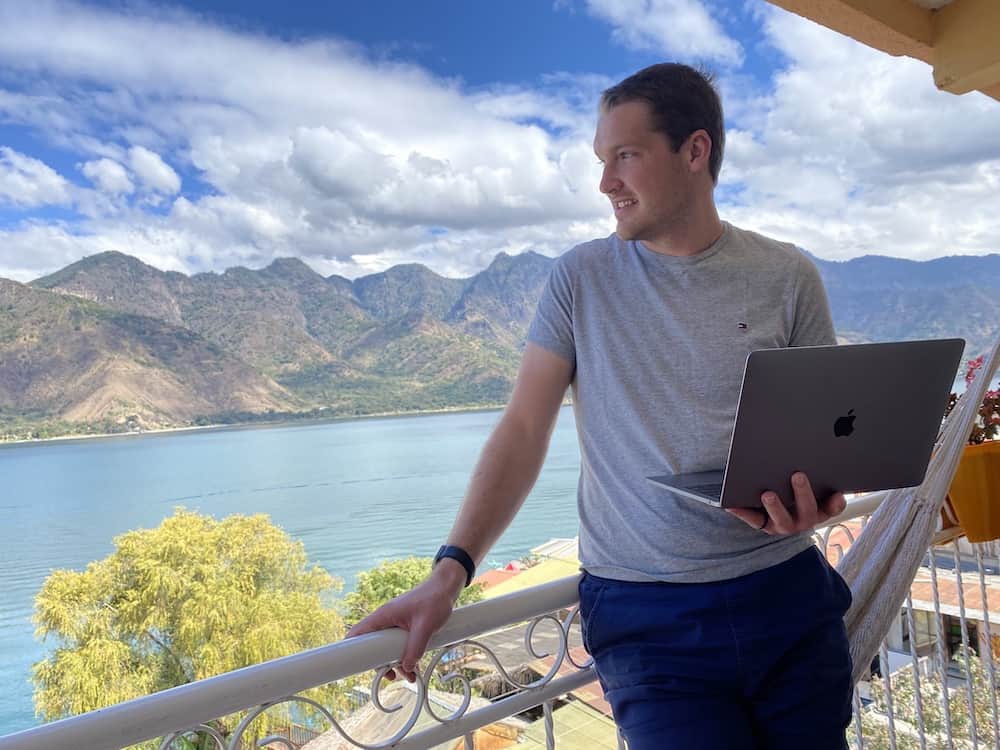
If you want to combine remote work with an outdoor lifestyle, Lake Atitlán is hard to beat. The main towns for nomads are San Pedro La Laguna (budget-friendly, social, great nightlife), San Marcos La Laguna (yoga/wellness community, ultra-chill), and Panajachel (most developed, best internet infrastructure).3. Guatemala City — For Serious Business
Guatemala City (known locally as "Guate") gets a bad reputation in travel circles, but for digital nomads who need reliable infrastructure, business meetings, or just prefer urban life, Zones 10 and 14 offer a genuinely nice experience. Modern shopping malls, international restaurants, and the fastest internet in the country.Visa and Legal Considerations
Guatemala offers visa-free entry to citizens of most Western countries for 90 days (part of the CA-4 agreement with Honduras, El Salvador, and Nicaragua — the 90 days are shared across all four countries). After 90 days, you can either:- Leave to Mexico or Belize for 72 hours, then return for another 90 days
- Apply for a residency visa through a local attorney ($500-1,500 in fees)
- The border run to Mexico (Ciudad Hidalgo/Tapachula) is the most common option and takes one day
There's no specific digital nomad visa yet (as of 2026), but the tourist visa is sufficient for most remote workers. You're technically not allowed to work for Guatemalan companies on a tourist visa, but working remotely for foreign companies is a gray area that's universally tolerated.
Internet Speed and Reliability
Internet quality varies significantly by location. Here's a realistic breakdown:- Guatemala City (Zona 10/14): 100-300 Mbps fiber, very reliable
- Antigua: 50-200 Mbps fiber widely available, occasional outages during storms
- Panajachel: 30-100 Mbps, most reliable lake town
- San Pedro La Laguna: 10-50 Mbps, improving but still inconsistent
- San Marcos La Laguna: 5-20 Mbps, bring a backup plan
- El Paredón: 5-15 Mbps, mobile hotspot recommended as backup
Cost of Living Breakdown
Here's what a realistic monthly budget looks like for a digital nomad in Antigua Guatemala:- Rent (furnished apartment, central): Q2,500-4,500 ($325-585)
- Groceries: Q800-1,200 ($104-156)
- Eating out (15 meals/month): Q750-1,500 ($97-195)
- Coworking space: Q600-1,200 ($78-156) — or free at cafés
- Transport (local): Q200-400 ($26-52)
- Phone/Internet: Q200-400 ($26-52)
- Entertainment/social: Q400-800 ($52-104)
- Health insurance: $50-100 (international nomad insurance)
- Total: $760-1,400/month
Healthcare
Guatemala has both public and private healthcare. As a digital nomad, you'll want to use private clinics and hospitals. In Antigua and Guatemala City, the quality of private healthcare is good and remarkably affordable:- Doctor's visit: Q150-300 ($20-40)
- Dental cleaning: Q200-400 ($26-52)
- Full blood panel: Q300-600 ($40-78)
- Emergency room visit: Q500-2,000 ($65-260)
Pharmacies are everywhere and most medications are available over the counter without prescription (including antibiotics). International health insurance (SafetyWing, World Nomads) costs $40-80/month and is strongly recommended.
Safety for Digital Nomads
Guatemala's reputation for crime is outdated and exaggerated — at least in the areas where nomads actually live. Antigua is one of the safest cities in Central America, with a dedicated tourist police force. Lake Atitlán communities are small and tight-knit. Guatemala City requires more street awareness but is perfectly safe in the right neighborhoods.- Don't flash expensive electronics on the street
- Use Uber in Guatemala City (very reliable and cheap)
- Avoid walking alone late at night in unfamiliar areas
- Keep copies of your passport (leave original in a safe)
- Learn basic Spanish — it goes a long way for safety and respect
Learning Spanish in Guatemala
One of the biggest draws for digital nomads is Guatemala's reputation as one of the best (and cheapest) places in the world to learn Spanish. Antigua alone has over 70 Spanish schools. Private one-on-one lessons cost Q50-100/hour ($6-13), and many schools offer immersive programs that include homestay with a local family (meals included) for Q1,000-1,500/week ($130-195).Guatemalan Spanish is known for being clear, relatively slow, and easy to understand — perfect for learners. It's also one of the most neutral accents in Latin America.
Community and Social Life
One thing that sets Guatemala apart from other nomad destinations is the depth of community. Because it's not (yet) overrun with short-term influencers, the people who choose Guatemala tend to be committed to the experience. In both Antigua and Lake Atitlán, you'll find tight-knit communities of long-term nomads, entrepreneurs, artists, and activists.Weekly meetups, language exchanges, volleyball games, full moon parties, and community dinners are the norm. If you're worried about loneliness as a solo nomad, Guatemala is one of the easiest places to build real friendships.
Getting Around Guatemala
- Chicken buses: The cheapest option (Q2-10 for most routes). Colorful, chaotic, and an experience in themselves.
- Shuttles: Tourist shuttles connect all major destinations (Q75-200 per ride). Book through your hostel or online.
- Uber: Available and excellent in Guatemala City. Not available elsewhere.
- Tuk-tuks: The standard transport in Antigua and small towns (Q5-20 per ride).
- Rental car: Available but roads can be challenging. 4WD recommended. Insurance is essential.
Final Verdict: Should You Be a Digital Nomad in Guatemala?
If you're tired of overpriced nomad hubs, generic beach coworking spaces, and the same crowd of laptop lifestyle influencers — yes. Guatemala offers something increasingly rare in the digital nomad world: authenticity. You'll live better for less money, learn more, eat incredibly well, and be part of a genuine community rather than a revolving door of Instagram stories.The infrastructure is good enough (not perfect — bring patience and backup plans). The culture is world-class. The food is underrated. And the volcanoes? They never get old.
Artículos relacionados
Trámites del IGSS Guatemala 2026: Guía Completa de Pensiones, Prestaciones y Afiliación
Guía actualizada 2026 de trámites IGSS Guatemala: pensión por vejez, subsidios por maternidad e incapacidad, afiliación. Requisitos y pasos.
IGSS vs Seguro Médico Privado Guatemala 2026: ¿Cuál Conviene Más?
Comparativa completa IGSS vs seguro médico privado en Guatemala 2026. Costos, coberturas, ventajas y desventajas. ¿Cuál es mejor para tu familia?
Turismo Guatemala Novedades: Lo Más Reciente para Tu Próxima Aventura
Guatemala, el Corazón del Mundo Maya, se reinventa constantemente para ofrecer a sus visitantes experiencias únicas. Exploramos las últimas novedades en turismo que transformarán tu próxima aventura.
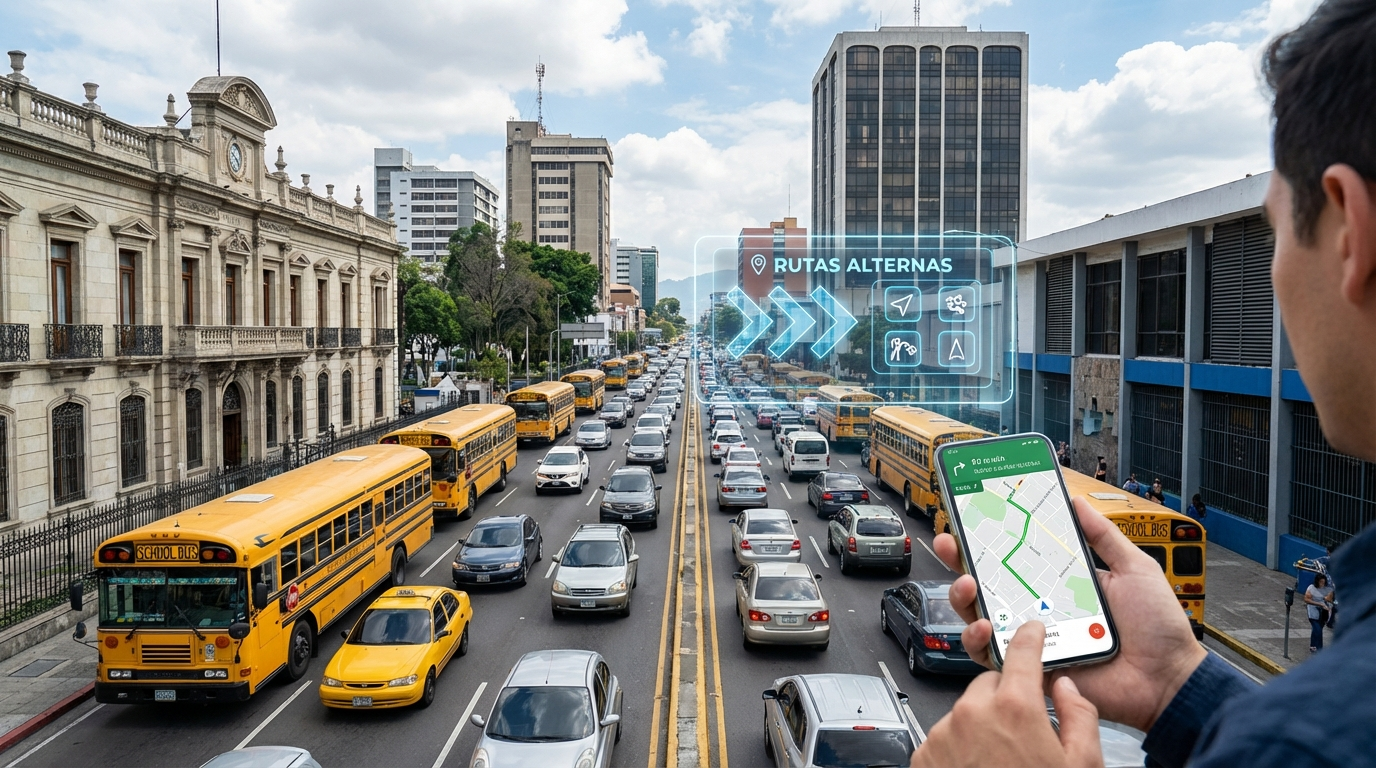
Tráfico Guatemala Hoy: Rutas Alternas y Guía para Navegar la Ciudad
Navegar el tráfico en Guatemala puede ser un desafío diario. Esta guía te ofrece las mejores rutas alternas, herramientas y consejos para optimizar tu tiempo y evitar la congestión.