
Birdwatching in Guatemala: A Complete Guide for Beginners and Experts
Why Guatemala Is a Birder's Paradise
Guatemala may be a small country — roughly the size of Tennessee — but its birdlife is anything but modest. With over 770 recorded bird species packed into an area of just 108,889 square kilometers, Guatemala boasts one of the highest avian densities in the world. This remarkable diversity results from the country's extraordinary range of habitats, from Caribbean mangroves and Pacific dry forests to volcanic highlands, cloud forests, and lowland jungle, all compressed into a compact geographic area that makes multi-habitat birding trips uniquely efficient.
For North American birders, Guatemala offers a compelling combination of familiar migrants and exotic residents. During winter months (October-April), the country hosts millions of Nearctic migrants — warblers, tanagers, flycatchers, and raptors that breed in the United States and Canada before making the incredible journey south. Alongside these familiar faces, Guatemala's resident bird community includes spectacular species found nowhere else on Earth, from the legendary Resplendent Quetzal to the bizarre Horned Guan and the dazzling Pink-headed Warbler.
Guatemala's birding infrastructure has developed significantly in recent years, with professional guide services, specialized lodges, and well-documented hotspots making the country accessible to birders of all levels. Whether you're a life-list hunter seeking Central American endemics or a casual nature lover who simply appreciates beautiful birds, Guatemala delivers experiences that rival — and often surpass — more established birding destinations at a fraction of the cost.
The Resplendent Quetzal: Guatemala's Living Legend
No discussion of Guatemalan birding can begin without the Resplendent Quetzal (Pharomachrus mocinno), the country's national bird and one of the most spectacular creatures on the planet. With iridescent emerald and gold plumage, a crimson breast, and tail feathers that extend up to 65 centimeters beyond the body, the male quetzal in breeding plumage is a sight that reduces even the most experienced birders to speechless wonder.
The quetzal held sacred status in Maya civilization, where its feathers were more valuable than gold and its image appeared in art, architecture, and mythology throughout Mesoamerica. The great feathered serpent deity Kukulkán (Quetzalcoatl in Aztec tradition) takes its name from the quetzal, and the bird's association with freedom, beauty, and divine power continues in Guatemalan culture today — the national currency is named the quetzal.
Finding the quetzal requires visiting the cloud forests where it breeds, primarily at elevations between 1,500 and 3,000 meters. The breeding season (February-May) offers the best viewing opportunities, as males perform elaborate courtship displays and become more visible while defending territories. Key quetzal sites include:
Top Birding Destinations Across Guatemala
Tikal National Park — Jungle Giants
The ancient Maya city of Tikal is famous for its towering pyramids and archaeological significance, but for birders, the surrounding Petén jungle is equally compelling. Over 400 bird species have been recorded within the national park, making it one of the most species-rich birding sites in Central America.
The combination of mature lowland jungle, aguadas (seasonal water holes), and the open spaces created by the archaeological site creates diverse microhabitats that support an extraordinary variety of species. Early morning birding from the top of Temple IV, the tallest structure in Tikal, offers a unique perspective above the jungle canopy where Scarlet Macaws, Keel-billed Toucans, and Ornate Hawk-Eagles can be observed in flight against the backdrop of other temples emerging from the green sea of trees.
Key species to seek at Tikal include the Ocellated Turkey (a spectacular relative of the wild turkey found only in the Yucatán Peninsula and northern Guatemala), Orange-breasted Falcon (one of the rarest raptors in the Americas, which nests on Tikal's temples), Great Curassow, Lovely Cotinga, and the incredible King Vulture. Night birding around the ruins can produce Mottled Owl, Yucatan Nightjar, and the eerie calls of Great Potoo.
Lake Atitlán — Highland Specialties
The volcanic highlands surrounding Lake Atitlán offer birding that focuses on highland and cloud forest species, many of which are regional endemics shared only with southern Mexico. The lake itself attracts waterbirds including the endemic Atitlán Grebe (sadly now extinct — last confirmed sighting in 1989) and wintering Eared Grebes, while the forested slopes harbor a rich community of highland specialists.
The forests around San Marcos La Laguna and Santa Cruz La Laguna are excellent for species like the Blue-throated Motmot, Bushy-crested Jay, Mountain Trogon, and the exquisite Wine-throated Hummingbird. During winter, North American migrants swell the species list, and mixed feeding flocks moving through the forest canopy can produce dozens of species in a single encounter.
The area around the town of Los Tarrales (accessible as a day trip from the lake) is particularly productive, with species lists exceeding 300 recorded at this single location. The transition from highland to Pacific slope habitats within a relatively short distance creates birding opportunities that are hard to match elsewhere.
Sierra de las Minas — Cloud Forest Endemics
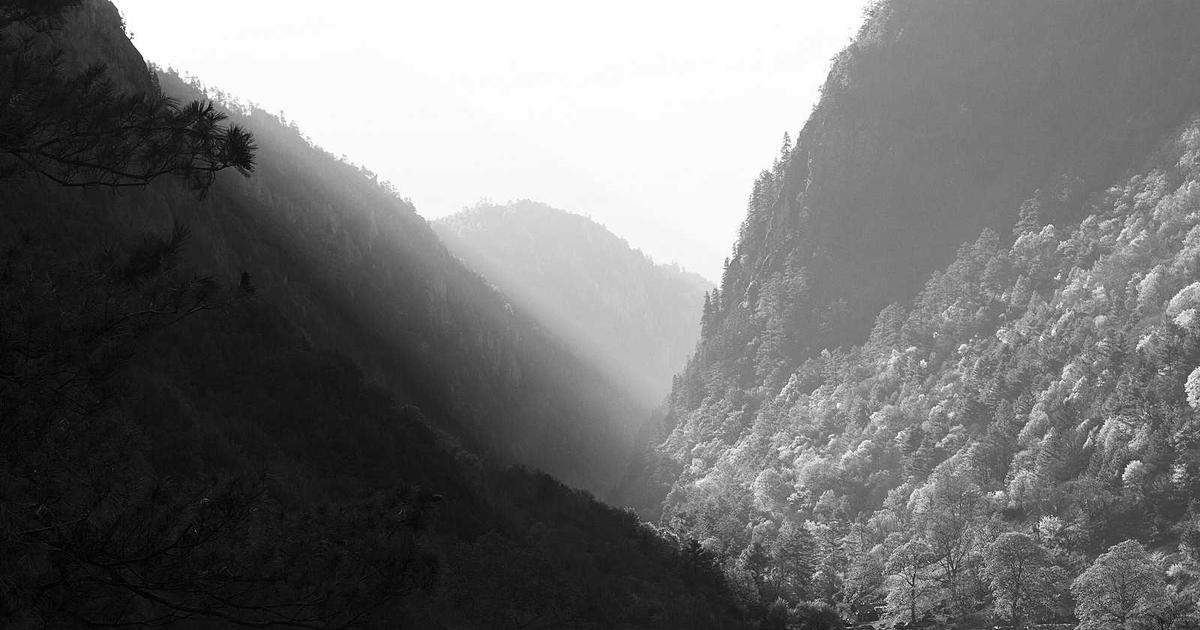
The Sierra de las Minas Biosphere Reserve in eastern Guatemala protects one of the largest remaining tracts of cloud forest in Central America. This mountain range harbors several near-endemic species and provides critical habitat for the Resplendent Quetzal, Horned Guan, and the charming Pink-headed Warbler.
The Horned Guan (Oreophasis derbianus) is one of Guatemala's most sought-after species and one of the most endangered birds in the Americas. This bizarre, turkey-sized bird with a red horn-like protrusion on its head is restricted to cloud forests in Guatemala and southern Mexico, and the Sierra de las Minas is one of its last strongholds. Finding a Horned Guan requires steep hiking, local guide knowledge, and significant patience, but the experience of seeing this prehistoric-looking bird in its misty mountain habitat is one of Central American birding's great prizes.
The Pink-headed Warbler (Cardellina versicolor), with its deep pink head and breast contrasting with dark maroon body plumage, is another highland specialty that draws birders to Guatemala. Found only in Guatemala and the adjacent highlands of Chiapas, Mexico, this stunning warbler is common in highland forests above 2,500 meters, particularly in the areas around Todos Santos Cuchumatán and the volcanos near Quetzaltenango.
Pacific Slope — Mangroves and Dry Forest
Guatemala's Pacific coast and lowlands offer completely different birding from the highlands. The mangrove forests and salt pans along the coast attract shorebirds, wading birds, and seabirds, including wintering flocks of Wilson's Phalarope, Black Skimmer, and various tern species. The dry forests of the Pacific slope harbor species like the White-throated Magpie-Jay, Turquoise-browed Motmot, and Pacific Screech-Owl.
The Monterrico Nature Reserve on the Pacific coast combines mangrove birding with sea turtle conservation, and boat tours through the mangrove channels can produce impressive species lists including Boat-billed Heron, Roseate Spoonbill, and various kingfisher species. The reserve is easily accessible from Antigua or Guatemala City as a day trip or overnight excursion.
Practical Information for Birding in Guatemala
Best Time to Visit
Guatemala offers excellent birding year-round, but the optimal timing depends on your targets. The breeding season (February-June) is best for displaying quetzals and other resident species at their most vocal and visible. The winter months (October-March) add Nearctic migrants to the species list and offer dry, comfortable weather in most regions. March and April combine late-season migrants with early breeding residents, creating maximum species diversity.
Guide Services
Professional bird guides significantly enhance the Guatemalan birding experience. Local guides know call notes, preferred habitats, and seasonal patterns that would take years to learn independently. Several Guatemala-based guiding companies offer trips ranging from single-day excursions to comprehensive multi-week tours covering all major habitats. Community-based guides at specific sites like Tikal, the Biotopo del Quetzal, and Los Tarrales provide expert local knowledge at reasonable rates.
Equipment
Binoculars are essential — a good 8x42 or 10x42 pair is ideal for Guatemala's varied habitats. A spotting scope is useful for waterbird sites and open areas but less necessary in dense forest. Guatemala's climate ranges from hot and humid in the lowlands to cool and misty in the highlands, so layered clothing is important. Rain gear is essential year-round, as afternoon showers are common even during the dry season.
Field Guides
The standard field guide for the region is "A Guide to the Birds of Mexico and Northern Central America" by Howell and Webb. For a more portable option, the iBird or Merlin smartphone apps include most Guatemalan species and are useful for quick reference. The Cornell Lab of Ornithology's eBird platform has extensive data for Guatemala, and checking recent checklists for your target areas before departure is an excellent trip-planning tool.
Photography
Guatemala offers exceptional bird photography opportunities, particularly at feeders and fruiting trees where birds can be approached closely. A 400mm lens is the minimum for serious bird photography, with 600mm preferable for canopy species. The soft, diffused light of cloud forests creates beautiful natural conditions for photography, though the low light levels demand high ISO capabilities. Several lodges offer photography-specific hides and setups that allow intimate portraits of species like hummingbirds, tanagers, and quetzals.
Conservation and Responsible Birding
Guatemala's birdlife faces significant conservation challenges, including habitat loss from agricultural expansion, climate change affecting highland ecosystems, and illegal wildlife trade. Birding tourism plays an increasingly important role in conservation by providing economic incentives for habitat protection and community-based conservation initiatives.
Responsible birding practices include staying on established trails, keeping appropriate distances from nests and roosting sites, avoiding the use of playback recordings near active nests, and supporting community conservation projects through guide fees and lodge stays. Several organizations, including FUNDAECO, Defensores de la Naturaleza, and the Guatemalan Birding Network, work to protect critical bird habitats and welcome donations and volunteer support.
By visiting Guatemala as a birder, you contribute directly to conservation. The economic value of birding tourism provides powerful arguments for habitat protection and helps communities see their natural heritage as an asset worth preserving. Every visit, every guide hired, every lodge stay strengthens the case for conservation.
Start Your Guatemalan Birding Adventure
With its extraordinary species diversity, accessible habitats, professional guide services, and affordable costs, Guatemala offers one of the best birding experiences in the Americas. Whether your dream is to witness a male Resplendent Quetzal performing its courtship display in a misty cloud forest, to count toucans from atop a Maya pyramid, or simply to enjoy the flash of hummingbird wings while sipping world-class coffee, Guatemala delivers — magnificently, affordably, and unforgettably.
The birds are waiting. It's time to start planning your trip.
Artículos relacionados
Trámites del IGSS Guatemala 2026: Guía Completa de Pensiones, Prestaciones y Afiliación
Guía actualizada 2026 de trámites IGSS Guatemala: pensión por vejez, subsidios por maternidad e incapacidad, afiliación. Requisitos y pasos.

IGSS vs Seguro Médico Privado Guatemala 2026: ¿Cuál Conviene Más?
Comparativa completa IGSS vs seguro médico privado en Guatemala 2026. Costos, coberturas, ventajas y desventajas. ¿Cuál es mejor para tu familia?

Turismo Guatemala Novedades: Lo Más Reciente para Tu Próxima Aventura
Guatemala, el Corazón del Mundo Maya, se reinventa constantemente para ofrecer a sus visitantes experiencias únicas. Exploramos las últimas novedades en turismo que transformarán tu próxima aventura.

Tráfico Guatemala Hoy: Rutas Alternas y Guía para Navegar la Ciudad
Navegar el tráfico en Guatemala puede ser un desafío diario. Esta guía te ofrece las mejores rutas alternas, herramientas y consejos para optimizar tu tiempo y evitar la congestión.