
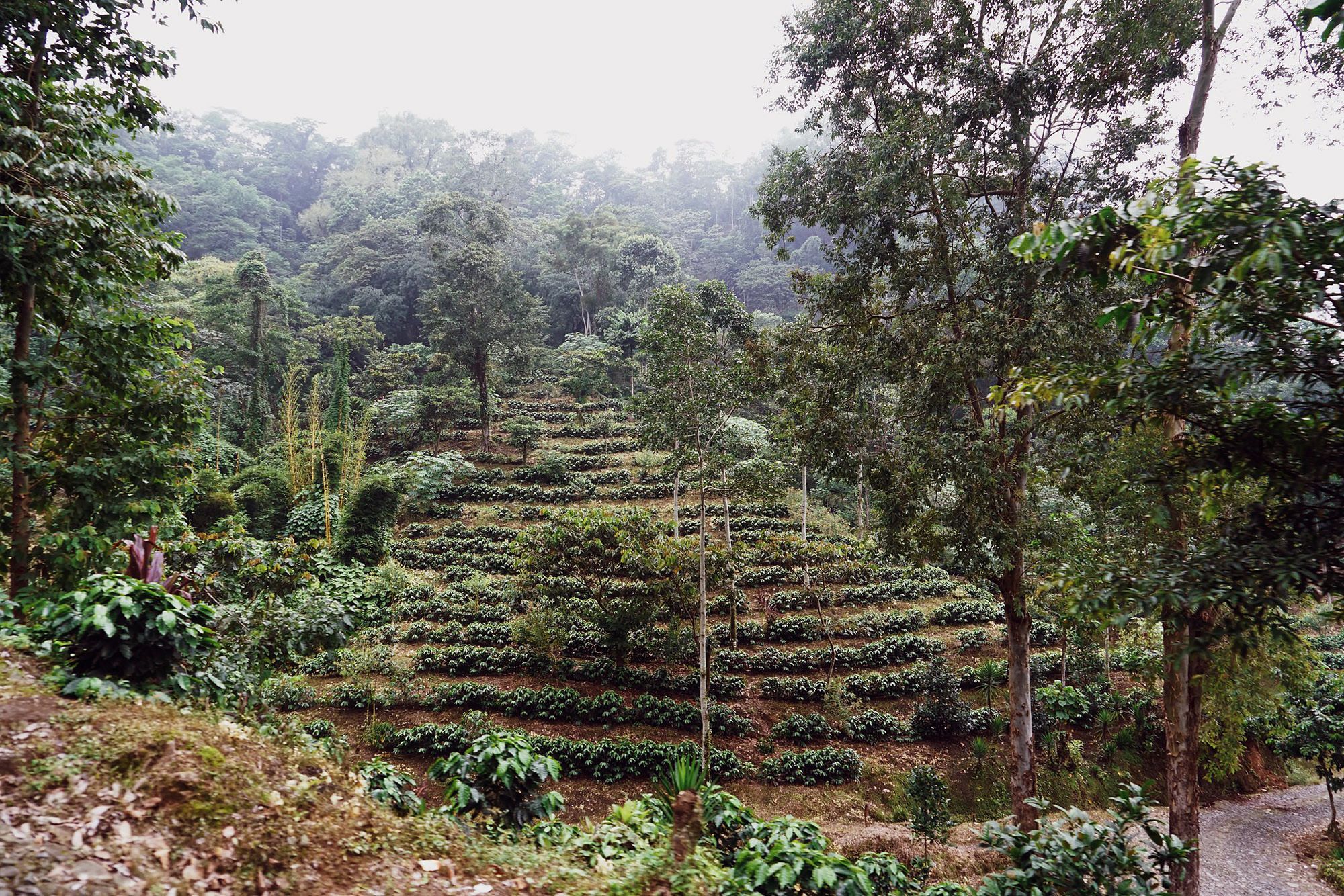
15 Best Coffee Farms to Visit in Guatemala in 2026: A Complete Tour Guide
Guatemala: A Coffee Lover's Paradise
Guatemala is consistently ranked among the world's top coffee-producing countries, and for good reason. The combination of volcanic soil, high altitude, distinct microclimates, and centuries of cultivation expertise produces coffee with extraordinary complexity — from the chocolate-and-spice notes of Antigua beans to the bright, fruity acidity of Huehuetenango highland coffees.
What makes Guatemala unique in the specialty coffee world is the sheer diversity of flavor profiles within a relatively small country. Eight officially recognized coffee-growing regions each produce beans with distinct characteristics, influenced by altitude, rainfall, soil composition, and processing methods.
For travelers, this means Guatemala offers some of the most accessible and rewarding coffee tourism in the world. From five-star boutique farms with professional cupping labs to small indigenous cooperatives where coffee is dried on patios and sorted by hand, there's a coffee experience for every interest and budget.
Understanding Guatemala's Coffee Regions
Before diving into specific farms, it helps to understand the major growing regions:
- Antigua: The most famous region. Volcanic soil from Fuego, Acatenango, and Agua volcanoes. Coffee tends toward chocolate, caramel, and subtle spice notes. Altitude: 1,500-1,700m.
- Huehuetenango: The highest-grown coffees in Guatemala, reaching above 2,000m. Known for bright acidity, fruit-forward flavors (stone fruit, berries), and complex aromatics. Many consider this Guatemala's finest region.
- Atitlán: Grown on the slopes surrounding Lake Atitlán. Rich volcanic soil produces full-bodied coffees with citrus and floral notes. Altitude: 1,500-1,700m.
- Cobán (Rainforest): Unique microclimate with constant mist and rain. Coffees tend toward lighter body with distinctive floral and spice notes.
- San Marcos: The warmest and most humid region. Coffees are typically lighter with a delicate sweetness.
- Acatenango: Newly recognized as distinct from Antigua. Higher altitude produces more complex acidity.
- Nuevo Oriente: Eastern Guatemala near the Honduras border. Rich, balanced cups with chocolate and dried fruit notes.
- Fraijanes Plateau: Near Guatemala City. Acidic soils produce coffees with pronounced brightness.
The 15 Best Coffee Farms to Visit
Antigua Region
1. Finca Filadelfia
Perhaps Guatemala's most famous coffee farm, Filadelfia has been growing coffee since 1870. The farm offers arguably the most comprehensive coffee tour in the country, walking visitors through every stage from nursery to roasting.
- Tour options: Classic tour (2 hours, Q175), Premium tour with cupping (3 hours, Q250), Full day including lunch (Q450)
- Highlights: Historic processing facility, professional cupping room, stunning views of Volcán de Agua
- Best for: First-time coffee tourists, photography
2. De la Gente Cooperative
For a radically different perspective, De la Gente connects visitors with small-scale farming families in San Miguel Escobar. You visit actual family farms (typically 1-3 acres), learn about the economics of smallholder coffee production, and roast beans over a wood fire.
- Tour: Half-day immersive experience (Q200-300)
- Highlights: Real insight into farming economics, hands-on roasting, meeting the families behind your coffee
- Best for: Socially conscious travelers, those interested in fair trade issues
3. Finca La Azotea
This farm combines coffee with culture — the property houses both a coffee museum and a music museum featuring traditional Guatemalan instruments. The coffee tour is thorough and the grounds are beautifully maintained.
- Tour: Combined coffee + museum tour (Q100)
- Highlights: Well-curated museum, garden setting, good on-site café
- Best for: Families, those who want cultural context alongside coffee
Huehuetenango Region
4. Finca El Injerto
El Injerto is legendary in specialty coffee circles — their lots have won the Cup of Excellence competition multiple times, and their geisha variety coffees sell at auction for hundreds of dollars per pound. Visiting here is like visiting a Grand Cru vineyard in Burgundy.
- Tour: By appointment only. Contact through their website. Full-day visits available.
- Highlights: World-class cupping experience, experimental processing methods, geisha variety trees
- Best for: Serious coffee enthusiasts, industry professionals
5. Finca Las Victorias
A family-owned farm at 1,800m elevation producing exceptional washed coffees. The family offers intimate tours that feel more like visiting friends than a formal tourist experience.
- Tour: Half-day with lunch (Q200). Arrange in advance through local contacts.
- Highlights: Authentic family experience, high-altitude growing conditions, spectacular mountain views
- Best for: Off-the-beaten-path travelers, those with Spanish skills
6. ACODIHUE Cooperative
A cooperative of over 1,000 small-scale farmers across Huehuetenango. They offer community-based tourism experiences where visitors stay with farming families and participate in harvest activities during season (December-March).
- Experience: 1-3 day immersive stays (Q150-250/day including accommodation and meals)
- Highlights: Authentic community experience, indigenous Maya perspectives, harvest participation
- Best for: Adventurous travelers, long-term visitors, cultural enthusiasts
Lake Atitlán Region
7. Finca San Jerónimo Miramar
Located on the slopes above Lake Atitlán with jaw-dropping views, this farm produces certified organic coffee and offers tours that emphasize sustainable farming practices.
- Tour: 2-hour farm walk with tasting (Q150)
- Highlights: Lake views, organic practices, shade-grown biodiversity
- Best for: Eco-conscious visitors, photographers
8. Cooperativa La Voz que Clama en el Desierto (San Juan La Laguna)
This Tz'utujil Maya cooperative in San Juan La Laguna offers one of the most culturally rich coffee experiences in Guatemala. Tours are led by indigenous farmers who explain not just coffee cultivation but the Maya cosmological significance of the land.
- Tour: 3-hour community tour with weaving demonstration (Q125)
- Highlights: Maya cultural context, community impact, artisan crafts
- Best for: Cultural travelers, those visiting Lake Atitlán
Cobán Region
9. Finca Santa Margarita
Right in the center of Cobán city, this historic farm has been producing coffee since 1888. The in-town location makes it one of the most accessible coffee tours in Guatemala.
- Tour: 1.5 hours (Q50). Multiple daily departures.
- Highlights: Convenient location, orchid garden, colonial-era processing equipment
- Best for: Travelers passing through Cobán, those short on time
10. Chicoj Coffee Farm
A Q'eqchi' Maya community project near Cobán that combines coffee production with cloud forest conservation. The farm sits within a community-managed reserve that protects the resplendent quetzal.
- Tour: Half-day including forest walk (Q175)
- Highlights: Quetzal spotting opportunity, cloud forest setting, community development model
- Best for: Birders, conservation-minded travelers
Other Regions
11. Finca El Pilar (Acatenango)
At 1,850m on the flanks of Volcán Acatenango, El Pilar produces coffees with exceptional acidity and complexity. The farm also operates a small lodge for hikers heading up the volcano.
- Tour: 2 hours with cupping (Q125). Combine with Acatenango hike.
- Highlights: Volcanic soil terroir, high altitude, Fuego volcano views
- Best for: Adventure travelers combining hiking and coffee
12. Finca Dos Marias (Fraijanes)
Just 45 minutes from Guatemala City, Dos Marias is the most accessible quality farm for travelers with limited time. Their micro-lot program produces competition-quality coffees.
- Tour: Half-day from Guatemala City (Q200 including transport)
- Highlights: Easy access from capital, professional operations, micro-lot tasting
- Best for: Business travelers, those with airport layovers
13. Finca El Bosque (Nuevo Oriente)
An off-the-radar farm in eastern Guatemala producing increasingly acclaimed coffees. The region's distinct terroir — limestone soil rather than volcanic — creates unique flavor profiles.
- Tour: By arrangement. Contact regional tourism office in Jalapa.
- Highlights: Undiscovered region, unique terroir, genuine off-path experience
- Best for: Serious coffee geeks, adventurous travelers
14. Finca La Bolsa (San Marcos)
A Rainforest Alliance certified farm in Guatemala's warmest coffee region. The farm has invested heavily in environmental sustainability and worker welfare programs.
- Tour: 3 hours with certification overview (Q175)
- Highlights: Sustainability focus, lower altitude growing, distinct cup profile
- Best for: Sustainability-focused travelers, certification professionals
15. Finca Candelaria (San Marcos)
One of the oldest continuously operating farms in Guatemala, Candelaria has been family-owned since the 1860s. The tour includes a fascinating history of coffee's role in Guatemala's economy and politics — a story that includes both triumph and exploitation.
- Tour: 2.5 hours including historical overview (Q150)
- Highlights: Historical depth, colonial-era buildings, honest examination of coffee's complex legacy
- Best for: History buffs, those wanting more than just "bean to cup"
Planning Your Coffee Tour
Best Time for Coffee Tourism
- Harvest season (November-March): See the full process including picking. Farms are at their busiest and most photogenic.
- Flowering (March-May): Coffee plants bloom with fragrant white flowers — beautiful but brief
- Green season (June-October): Cherries developing on the plant. Less activity but greener landscapes and fewer tourists
How to Build an Itinerary
A dedicated coffee tour of Guatemala could fill two weeks, but most travelers incorporate 2-3 farm visits into a broader itinerary:
- 3 days: Antigua region farms + one cupping experience
- 1 week: Antigua + Atitlán + one highland region (Huehue or Cobán)
- 2 weeks: Comprehensive tour covering 4-5 regions
Buying Coffee to Bring Home
Most farms sell roasted beans on-site. Prices range from Q50-150 per pound depending on quality and variety. Some tips:
- Buy whole bean (not ground) for longer freshness
- Ask for the roast date — freshly roasted needs 3-7 days to degas before optimal brewing
- Geisha and other specialty varieties command premium prices (Q200-500/pound) but are worth it for true enthusiasts
- Green (unroasted) beans last much longer and can be roasted at home — some farms sell these at lower prices
Guatemala's coffee farms offer something that few wine regions or food destinations can match: the chance to see, touch, smell, and taste every stage of production in a single visit, surrounded by some of the most beautiful landscapes in the Americas. Whether you're a casual coffee drinker or a certified Q-grader, a Guatemalan coffee tour will permanently change how you think about your morning cup.
Artículos relacionados
Trámites del IGSS Guatemala 2026: Guía Completa de Pensiones, Prestaciones y Afiliación
Guía actualizada 2026 de trámites IGSS Guatemala: pensión por vejez, subsidios por maternidad e incapacidad, afiliación. Requisitos y pasos.
IGSS vs Seguro Médico Privado Guatemala 2026: ¿Cuál Conviene Más?
Comparativa completa IGSS vs seguro médico privado en Guatemala 2026. Costos, coberturas, ventajas y desventajas. ¿Cuál es mejor para tu familia?
Turismo Guatemala Novedades: Lo Más Reciente para Tu Próxima Aventura
Guatemala, el Corazón del Mundo Maya, se reinventa constantemente para ofrecer a sus visitantes experiencias únicas. Exploramos las últimas novedades en turismo que transformarán tu próxima aventura.

Tráfico Guatemala Hoy: Rutas Alternas y Guía para Navegar la Ciudad
Navegar el tráfico en Guatemala puede ser un desafío diario. Esta guía te ofrece las mejores rutas alternas, herramientas y consejos para optimizar tu tiempo y evitar la congestión.