
U.S. Hospitals Report Overcrowded Emergency Rooms Amid Sudden Rise in Respiratory Cases
Surge in Infections Strains Medical Capacity
Hospitals across the United States are reporting overcrowded emergency rooms following a sudden spike in respiratory illnesses. Health officials say the rise includes a mix of influenza, RSV, and other seasonal respiratory infections that are spreading faster than anticipated. In several states, emergency departments have reached or exceeded capacity, forcing facilities to redirect some patients to neighboring hospitals.
Medical staff report longer wait times, shortages of available beds, and increased demand for oxygen support and pediatric care. Administrators warn that the surge is placing heavy pressure on already fatigued healthcare workers who have faced repeated seasonal peaks in recent years.
States Implement Contingency Measures
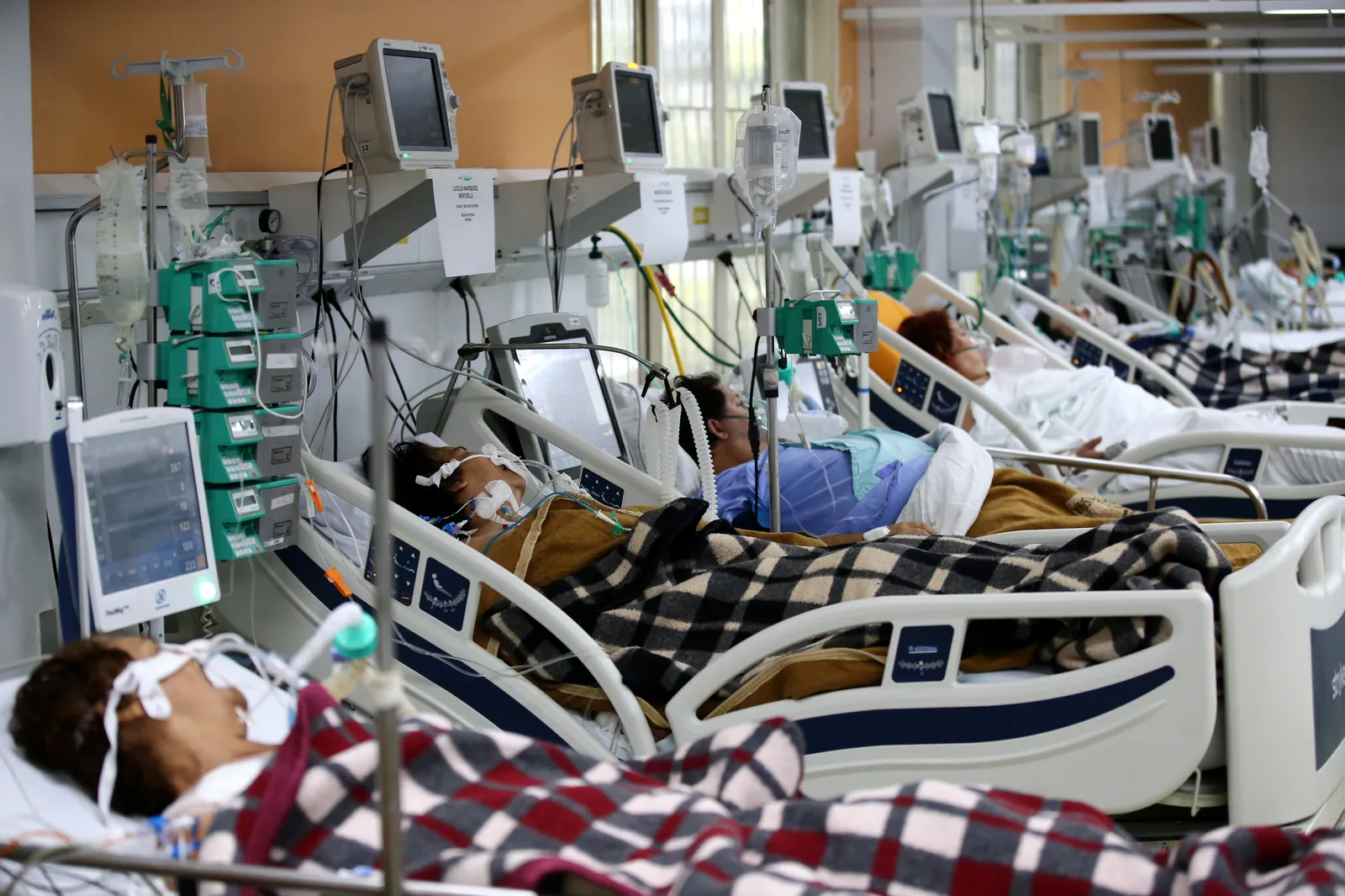
Several states have activated emergency protocols to ease the burden on hospitals. Measures include expanding triage areas, accelerating patient transfers, and opening temporary treatment zones for non-critical cases. Local health departments are urging residents with mild symptoms to seek care at clinics or through telehealth services to reduce strain on emergency rooms.
Public health agencies are monitoring hospitalization trends closely. Early data suggests that colder temperatures, reduced vaccination rates, and crowded indoor settings have contributed to the rapid increase in infections.
Impact on Central American Communities and Regional Health Systems
For Central American migrants living in the United States, access to timely medical care may become more difficult during periods of overcrowding. Community organizations warn that delays in treatment could disproportionately affect vulnerable populations who rely on public hospitals.
The situation also serves as a reminder for countries like Guatemala to reinforce seasonal preparedness, particularly as respiratory illnesses often follow similar patterns across the region.
Do you think U.S. health systems should invest more in long-term capacity upgrades, or focus on rapid seasonal response strategies to manage future surges?
Artículos relacionados

¿Cómo sacar préstamos en Mercado Pago? Guía paso a paso para Guatemala
Descubre cómo solicitar préstamos en Mercado Pago desde Guatemala. Requisitos, montos, intereses y pasos para obtener crédito rápido.

Bonos de EE. UU. al 5%: 4 efectos para Guatemala
La deuda de EE. UU. toca niveles no vistos desde 2007. Qué puede pasar con dólar, crédito, remesas y precios en Guatemala.

Fallo contra Milka por reducir chocolate de 100 a 90 g
Un tribunal alemán consideró engañosa la reducción de barras Milka de 100 a 90 g. La alerta para compradores guatemaltecos.

Trump y Xi negocian aranceles: qué cambia para Guatemala
La cumbre Trump-Xi en Pekín pone sobre la mesa aranceles, chips, IA y Taiwán. Así podría sentirse en Guatemala.